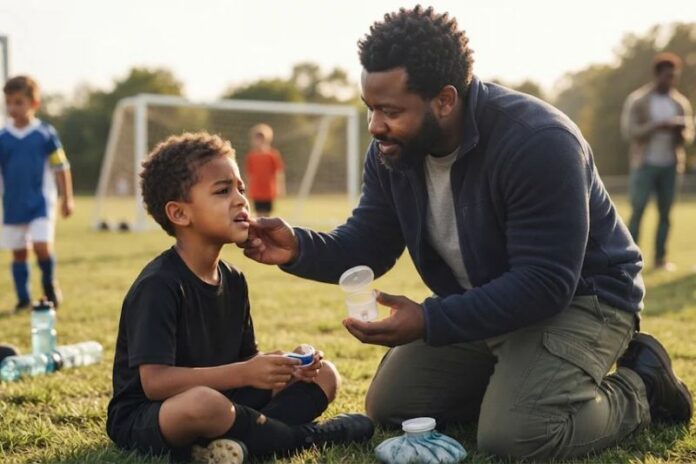

From Little League collisions to sudden weekend toothaches, a rapid response strategy protects your family. Knowing how to react in the first thirty minutes of a dental emergency can save a damaged tooth.
Active family lifestyles bring endless joy and a fair share of unpredictable bumps. Your weekend schedule likely involves soccer games, biking trips, and backyard roughhousing. These physical activities carry an inherent risk of sudden accidents, leaving you to deal with chipped, fractured, or completely knocked-out teeth.
Being prepared for these exact injuries gives your family a distinct advantage when panic sets in. Having a clear response strategy turns a terrifying moment into a manageable situation.
What Constitutes a True Dental Crisis?
Determining the severity of a sudden mouth injury requires a calm and immediate assessment. When a sudden impact leaves your child in pain, finding a reliable emergency dentist in germantown makes a massive difference in the outcome. True emergencies involve knocked-out permanent teeth, severe unrelenting pain, or deep fractures that expose sensitive nerve endings.
Minor cosmetic chips without accompanying pain can typically wait for a standard daytime appointment.
Why Do Specialized Clinics Outperform Hospital ERs?
Parents naturally rush toward the nearest hospital when a child suffers a painful blow to the face. Information published by the Centers for Disease Control and Prevention indicates that tooth-related issues drive nearly two million visits to emergency departments annually across the United States. Hospital staff excel at managing severe facial lacerations, administering antibiotics, and controlling excessive bleeding. They lack the specialized training required to perform restorative procedures like re-implanting a tooth or applying a protective crown.
How Can You Protect a Knocked-Out Tooth at the Field?
Time remains your biggest adversary when a permanent tooth gets dislodged during a game. The delicate tissues attached to the root begin to die rapidly once exposed to the open air. Research shared by the National Center for Biotechnology Information highlights that the crucial ligaments surrounding a tooth begin losing viability after just fifteen minutes of drying out. You must act with incredible speed to keep these cells alive for a successful re-implantation.
Steps for Proper Tooth Handling
- Locate the tooth: Find the missing piece quickly and pick it up only by the white chewing surface.
- Rinse gently briefly: Wash away visible dirt with milk or saline without scrubbing the sensitive root area.
- Attempt immediate reinsertion: Guide the tooth back into its socket if the injured person can hold it in place with a soft cloth.
- Submerge in liquid: Place the tooth in a small container of cold milk if reinsertion proves impossible on the field.
Managing Severe Pain and Soft Tissue Injuries
Sports collisions often involve significant damage to the lips, gums, and inside of the cheeks. Bleeding in the mouth always looks much worse than it actually is because saliva mixes with the blood. You can apply firm pressure with a clean piece of gauze or a cold compress to slow the bleeding.
Swelling typically follows any blunt force trauma to the face. Using an ice pack wrapped in a thin towel helps minimize inflammation while numbing the immediate area.
What Happens When a Tooth is Chipped or Fractured?
A hard fall on the basketball court can easily shear off a portion of a front tooth. You should try to locate the broken fragment, as dentists can sometimes bond the original piece back onto the tooth. Place the fragment in saline or milk to keep it hydrated during the commute to the clinic.
The exposed internal layers of a broken tooth remain highly sensitive to temperature changes and air pressure. Your child will likely experience sharp pain when breathing through their mouth or drinking water.
Preparing Your Family Action Plan
Scrambling to find phone numbers and addresses during a frantic weekend injury wastes valuable time. You can build a reliable contact list long before the first soccer practice of the season begins. Adding your chosen dental provider to your phone contacts guarantees immediate access to driving directions and after-hours instructions.
Discussing the plan with coaches and other parents spreads awareness across the entire team. A well-communicated strategy empowers everyone on the sidelines to act with confidence when accidents happen. Your proactive approach completely removes the guesswork from a highly stressful situation.
Equipping yourself with the right knowledge transforms a chaotic field injury into a smoothly managed response. Your confident approach provides immediate comfort to your child while safeguarding their long-term oral health.