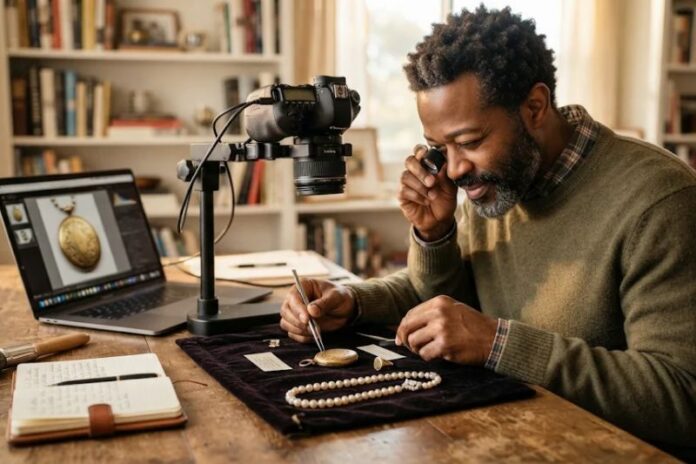

You might view your favourite dress watch, wedding band, or signet ring as an everyday style choice right now. Still, those meaningful pieces often become the tangible family heirlooms your children will treasure decades from today. Without clear records, future generations struggle to know what a piece is truly worth or where it originated.
Documenting your collection now bridges the gap between personal sentiment and financial security. When you pair family stories with verified paperwork, you protect both your legacy and your loved ones.
What Steps Help You Authenticate and Insure Inherited Jewellery?
Authenticating valuable pieces requires more than a quick glance at a family receipt. Your family can protect both sentimental and financial value by understanding hallmarks, valuations and diamond reports before updating home insurance policies or drafting a will. Taking these practical steps early prevents costly gaps in coverage if an heirloom goes missing.
Standard home insurance policies often place low payout caps on individual jewellery items. Scheduling high-value pieces separately on your policy requires current, accurate paperwork from qualified specialists. Without that documentation, your insurer may only reimburse a fraction of what it costs to replace a lost heirloom.
Why Do Heirloom Watches and Rings Matter in Modern Family Legacy?
Fine jewellery carries memories that digital photos and bank accounts simply cannot match. When you wear a milestone watch or a custom ring through major life events, that object absorbs your personal history. Passing it down gives your children a physical connection to your values and life milestones.
Modern fathers increasingly treat personal accessories as long-term family assets rather than fleeting fashion items. Recording the story behind each piece turns a gold band or vintage timepiece into a lasting chapter of family heritage. The International Gemological Institute notes that saving original boxes, sales receipts, handwritten notes, and old photographs builds a clear history that increases the worth of inherited pieces.
How Do Assay Office Hallmarks Verify Metal Purity and Origin?
Before an heirloom changes hands, you need concrete proof of its precious metal content. Assay offices test gold, platinum, silver, and palladium items and stamp tiny marks inside the metal to confirm their exact purity. These official stamps protect you and your heirs from guesswork or undervalued sales.
Reading those microscopic symbols tells you who crafted the piece, which assay office tested it, and what year it received its stamp. A 750 mark confirms 18-carat gold, while a 950 stamp verifies platinum purity. Checking these marks early lets you separate solid precious metals from plated costume items before dividing your estate.
Why Does Independent Gemological Grading Matter for Diamonds and Gemstones?
Diamonds and coloured gemstones make up a huge share of an heirloom’s financial value, while naked-eye estimates often miss critical details. An independent gemological laboratory grades a stone’s cut, colour, clarity, and carat weight using strict scientific standards. That objective report proves whether a stone is natural, lab-grown, or treated.
Requesting an updated lab report protects your family against misidentification and fraud. Lab findings from the Gemological Institute of America show that fraudulent sellers sometimes engrave legitimate report numbers onto different diamonds, which means physical verification remains critical before you insure or pass down a stone. Pairing a stone with an authentic certificate gives your heirs undeniable proof of quality.
How Do Formal Written Appraisals Prevent Underinsurance?
A gemological certificate describes what a stone is, while a formal valuation states what it costs to replace. Precious metal prices and diamond values shift constantly, so an appraisal from 10 years ago will likely leave your pieces underinsured today. Booking a fresh valuation every 3 to 5 years keeps your coverage aligned with current retail replacement costs.
Qualified valuers inspect every setting, weigh each piece, and photograph distinguishing marks in detail. Their written report gives your insurance provider exact specifications to recreate or replace a lost item. Keeping this valuation updated shields your family from unexpected out-of-pocket expenses after theft or accidental damage.
Organising Your Jewellery Records to Prevent Estate Disputes
Clear paperwork eliminates confusion and tension when relatives settle an estate. When you assign specific pieces and document their fair market value, your children avoid painful disagreements over who receives each item.
Create a dedicated folder that holds both physical certificates and digital backups for every piece you plan to pass down. Share the location of this archive with your spouse, executor, or estate planner so nobody has to search during a difficult time.
- Photograph every angle: Capture clear close-up images of hallmarks, serial numbers, and unique gemstone inclusions.
- Store original certificates: Keep assay reports, diamond grading dossiers, and recent insurance valuations in one waterproof sleeve.
- Record personal provenance: Write a short note explaining when you bought each piece and what milestone it celebrates.
- Name your recipients: Pair your inventory list with your will so each heir receives their intended item smoothly.
Preserving a family heirloom takes more than keeping a watch or ring locked safely in a drawer. When you pair your personal family stories with verified hallmarks, lab reports, and current valuations, you protect both the emotional bond and the true financial worth of every piece.
Start organising your records today so the next generation inherits clarity, security, and pride alongside your favourite treasures.