
Tell the Dear Fathers community more about who you are and what you do?
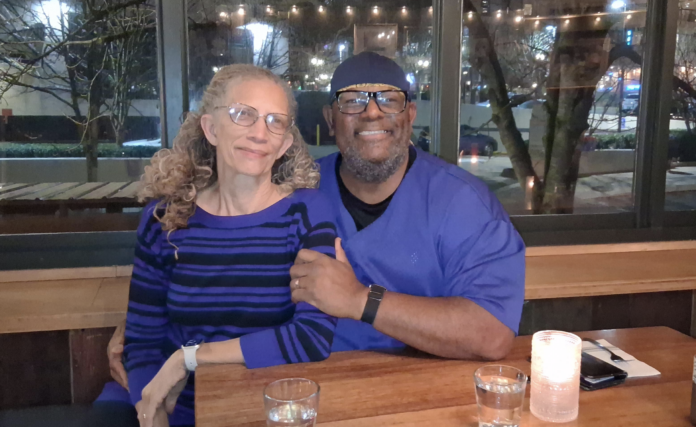
I’m Brian Keith Hill — a husband, father of three adult children, grandfather, teacher, mentor, and the founder of Papa Life. Much of my work today is focused on fathers whose children are already adults, especially men dealing with distance, silence, regret, strained relationships, or the realization that there are things they still want to repair.
I help fathers look first at themselves — how we listen, how we communicate, how we take responsibility, and how we become safer and more consistent in our relationships. I believe fatherhood does not end when our children turn 18. In many ways, another stage begins.
What inspired you to launch Papa Life?
Papa Life grew out of my own life, my own fatherhood, and what I kept seeing in other men. There are many programs that help men become fathers or raise young children, but far fewer conversations about what happens when the children are grown.
Adult children have memories, wounds, opinions, boundaries, and lives of their own. A father can love his children deeply and still discover that love by itself does not automatically repair distance.
Papa Life came from the conviction that fathers can still grow, take responsibility, listen differently, and rebuild trust. That is why one of the central messages of Papa Life is: “As long as you’re both alive, it’s never too late.”
What are the top three takeaways you want our audience to know about your program?
First, fatherhood does not stop when your children become adults. Your role changes, but your presence still matters.
Second, reconnection usually begins with the father examining himself before trying to change his child. Listening, humility, accountability, and consistency are more powerful than control or defending yourself.
Third, trust is usually rebuilt in small deposits. One apology, one conversation, or one good weekend may not repair years of hurt. Fathers have to be willing to show up consistently over time.
Papa Life organizes that work around four ideas: Presence, Authority, Purpose, and Alignment. Authority in this context is not control over our children; it is learning to govern ourselves and lead from maturity.
What is your relationship with your dad and how has that impacted the man you are today?
My father left when I was 11, and that absence affected me deeply. Like many boys, I learned things from what was present in my life, but I also learned from what was missing.
As I became a man and a father, I had to confront the fact that unresolved pain can travel from one generation to the next if we do not deal with it. My relationship with my father helped shape my commitment to presence. It made me understand that being physically alive is not the same thing as being emotionally available.
I do not tell that story to blame my father. I tell it because part of becoming a mature man has been understanding my own history, taking responsibility for what I carry forward, and choosing what I want to do differently.
Who is Brian as a father?
Brian as a father is still learning.
I am the father of three adult children and a grandfather. I love my children & grandchildren deeply, but I do not present myself as a perfect father. Part of Papa Life is me applying the same principles to myself that I encourage other fathers to practice.
I am learning that adult children do not simply need a father who has answers. Sometimes they need a father who can listen without defending himself, acknowledge their experience, apologize when necessary, and respect who they have become.
I am also a husband to Feliz, and after many years of marriage I continue to learn that relationships stay healthy when we keep growing rather than assuming we have arrived.
Why is it important for fathers to have a community of like-minded individuals?
Men need places where they can be honest without performing.
A father may be carrying regret, fear, embarrassment, anger, or confusion and have nowhere to say it out loud. Isolation can make a man more defensive. Healthy community can help him see that he is not the only father struggling and that asking for help is not weakness.
The right community also gives fathers accountability. We need men who will encourage us, but we also need men who will tell us the truth.
How can men be the best fathers they can be while ultimately still working on themselves?
I think those two things belong together.
Working on yourself is part of becoming a better father. A man cannot give his family emotional maturity that he refuses to develop in himself.
That means learning to listen, examining our habits, dealing with our own wounds, taking responsibility for our reactions, strengthening our relationship with God, and being willing to change even when we are older.
Our children do not need us to be finished. They need to see that we are willing to keep growing.
How do you balance building your platform while being the best dad you can be?
I try to remember that Papa Life cannot become an excuse for me to neglect the very relationships I am teaching other men to value.
If I talk about presence, I have to practice presence. If I teach listening, I have to listen. If I encourage fathers to repair relationships, I have to remain willing to do repair work in my own family.
The platform is important, but my family is not a case study for the platform. They are people I love. That distinction keeps me grounded.
Define what legacy means to you?
Legacy is not simply what people say about you after you are gone. It is what remains in people because of how you lived while you were here.
For me, legacy includes faith, family, service, and whether the people closest to me experienced growth, love, honesty, and reconciliation in my life.
I want my children and grandchildren to know that I kept growing. I want them to know that when relationships were difficult, I did not simply walk away. I was willing to listen, learn, apologize, repair, and keep loving.
That means more to me than a title or a business accomplishment.
Where can people access Papa Life?
The main place is PapaLifeCoach.com.
That is where fathers can learn about Papa Life, begin with the 2-Minute Fatherhood Check-In, and find resources specifically for fathers of adult children.
What’s next for you and how can people connect with you?
The next chapter is about helping more fathers of adult children find support before distance becomes permanent.
I am continuing to build Papa Life through conversations, teaching, community partnerships, churches, nonprofits, fatherhood organizations, and other groups that care about strengthening families. I also want to keep learning from organizations like Dear Fathers that have already created meaningful spaces for Black fathers to tell the truth about our lives.
People can connect with me at PapaLifeCoach.com or by email at brian@bossmobility.net.