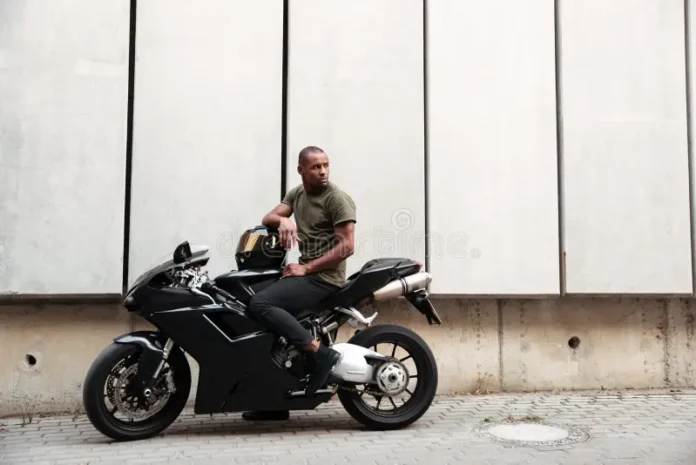

A smart riding routine starts before the engine turns over. For fathers, that routine carries extra weight because children notice how you prepare, how you behave on the road, and how seriously you treat safety rules.
Protective equipment, regular maintenance, responsible habits, and suitable insurance all reduce avoidable risk. They also make each ride more predictable, which helps you return home safely and set a strong example for the next generation.
Prioritizing Rider Safety Gear
Wear purpose-made protective gear on every trip, including short rides close to home. Familiar roads can create a false sense of security, yet traffic, changing surfaces, and poor weather can turn an ordinary journey into a difficult one within seconds.
Start with a helmet that meets the safety standards required where you live. It should fit firmly around your head without creating painful pressure points. A helmet that moves when you shake your head is too loose, while one that causes headaches may be too tight. Replace it after a significant impact and follow the manufacturer’s guidance on service life, even when the outer shell looks fine.
A riding jacket, gloves, full-length trousers and over-the-ankle boots protect areas that casual clothing leaves exposed. Look for impact protection at the shoulders, elbows, back, hips and knees. Reflective panels or lighter colors can also improve visibility, especially during early morning commutes and evening rides.
Weather protection matters too. Waterproof outer layers help you stay focused when rain arrives, while vents reduce heat buildup in warm conditions.
Check every item before putting it on. Damaged fasteners, split seams, and worn soles can weaken protection when you need it most.
Essential Bike Maintenance Tips
Give your motorbike a quick inspection before every ride. This habit takes only a few minutes and can reveal problems while they are still easy to address.
Begin with the tires. Check pressure when they are cold and use the figures listed by the manufacturer. Inspect the tread for uneven wear, embedded objects, cracking, and cuts. Low pressure can affect handling and increase tire wear, while excessive pressure may reduce useful contact with the road.
Next, test the lights, indicators, horn and brakes. Make sure both brake controls feel consistent and investigate any unusual softness, vibration, or noise. Check fluid levels on level ground and look underneath the bike for fresh leaks. The chain should have the correct tension and enough lubrication, with no stiff or damaged links.
A practical pre-ride sequence is:
- Tires and wheels
- Brakes and fluid levels
- Lights, indicators and mirrors
- Chain or drive system
- Controls and cables
- Fuel, oil and visible leaks
Routine checks help uncover loose parts, tire problems and worn components before a trip begins. Motorbikes require their own manufacturer-approved inspection and service schedule, so keep the owner’s manual nearby and record maintenance dates.
Book professional service when warning lights appear, handling changes, or a mechanical problem falls outside your skills. Guesswork has no place in brake, tire, or steering repairs.
Responsible Riding Habits
Leave enough time for every trip so you don’t feel pushed to speed, squeeze through a closing gap or make an impatient pass. A few extra minutes in your schedule support calmer decisions and give you room to respond to roadworks, rain or heavy traffic.
Maintain a clear buffer from the vehicle ahead. The space should increase in wet weather, low light and any situation where visibility is limited. Scan beyond the nearest vehicle to spot brake lights, junctions, pedestrians and changing road surfaces early. Avoid lingering in blind spots and use your indicators before changing position.
Your physical condition matters as much as your road skills. Fatigue slows reaction time and makes it harder to judge speed or distance. Stop for a break if your concentration drops, your shoulders become tense, or you notice yourself missing signs and hazards.
Keep your required documents current as part of this routine. Complete any renewal checks before existing cover expires, then store your policy details and assistance number where you can find them quickly.
Securing Your Ride with the Right Policy
Read the policy schedule and full terms before committing to cover. Price matters, but a low premium may prove poor value if the excess is high or the protection excludes how you actually use the motorbike. Riders in Ireland comparing options can get a motorbike insurance quote with Carole Nash and review the available cover against their bike and typical use.
Start with the basics. Confirm the named rider, bike details, declared value, storage address and expected use. A commuting rider may need different terms from someone who uses a bike only for weekend leisure. Modifications, annual mileage and additional riders should also be declared accurately.
Then compare practical features. Breakdown assistance can be valuable if the bike develops a fault far from home. Legal protection may help with certain costs following a covered incident. If you own more than one motorbike, check whether a multibike arrangement is more suitable than maintaining separate policies. Owners of classic, custom or performance models should ask how valuation and replacement parts are handled.
Pay close attention to:
- The compulsory and voluntary excess
- Theft-related security conditions
- Geographic limits and trip duration
- Passenger cover
- Breakdown service limits
- Exclusions for storage or use
- The claims reporting process
Keep photographs of the bike, receipts for major accessories and copies of service records. Store digital copies somewhere you can access away from home. If the motorbike changes, moves to a different storage location or begins serving a new purpose, contact the insurer promptly. Accurate records reduce the chance of delays when the policy needs to be used.
Leading by Example for Your Kids
Children learn road behavior from repeated observation. They notice when you check your helmet strap, wait for a safe gap, and put your phone away before moving. Those small actions can shape how they approach bicycles, scooters, and future driving.
Explain your routine in simple terms. A younger child can understand that you check the tires because they need enough air to grip the road properly. An older child can help you read a pressure gauge, inspect lights or find the next service date in a maintenance log. Keep these activities supervised and age-appropriate.
Your example also extends beyond the motorbike. Follow speed limits when driving the family car, stop fully where required, and give cyclists enough room. These everyday habits are part of setting a good driving example for your kids, especially as they begin forming their own ideas about road safety. The National Highway Traffic Safety Administration advises riders to stay visible, ride sober and avoid sharing lanes with other vehicles. These clear principles are easy to discuss with teenagers who are beginning to think about independent travel.
Avoid presenting speed or risk-taking as proof of confidence. Calm preparation shows children that skill includes patience, judgment and respect for other road users. If conditions are poor, postponing a ride can be the responsible choice.
Let your kids see the full routine before you leave: protective clothing secured, lights tested, tires checked and documents current. The lesson they remember may be less about the motorbike itself and more about a father who consistently came home as carefully as he left.