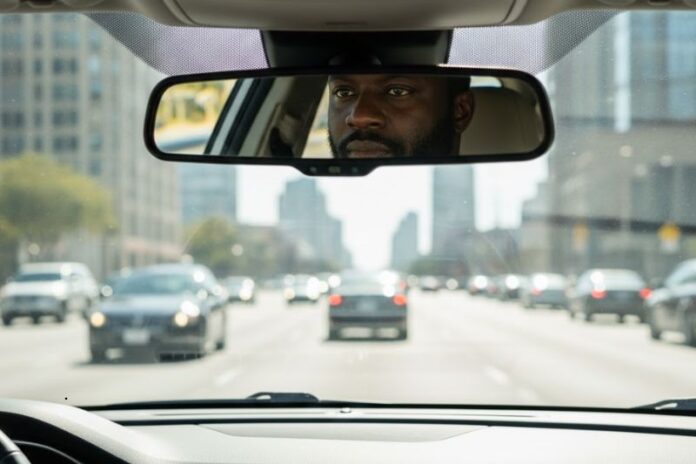

A father’s instinct to protect his family is never stronger than when he is behind the wheel. Every trip, whether it’s to school or across the country, comes with the huge responsibility of keeping your most precious cargo safe. Being a safe driver means more than just your own actions. It also means being ready for the unexpected, keeping your vehicle in good shape, and teaching the next generation about road safety. This guide offers practical advice for dads who want to make sure every journey is a safe one for their loved ones.
Setting a Good Driving Example
Your children learn more from watching you than from listening to you. This is especially true when it comes to driving. The habits you show behind the wheel will become the foundation for their own driving behavior years from now. If you text, speed, or get angry at other drivers, you are teaching them that this is okay. Make a conscious effort to be the kind of driver you want them to be.
This means always wearing your seatbelt, using your turn signals for every lane change and turn, and respecting the speed limit. Practice patience and courtesy, even when other drivers don’t. These small, consistent actions create a powerful example of responsible driving. Developing these habits for safer driving shows that safety is a priority, not an option.
Vehicle Maintenance Checks
A reliable vehicle is a safe vehicle. You don’t need to be a certified mechanic to do basic checks that can prevent a breakdown or a serious accident. Regularly inspecting your car is a proactive step that ensures you won’t be caught off guard by a preventable issue. Make it a monthly routine to check a few key areas.
Start with the tires. Check the tire pressure and make sure it matches the manufacturer’s recommendation, which you can find on the sticker inside the driver’s door jamb. Look at the tires for uneven wear or damage. Next, check your fluids, including engine oil, coolant, and windshield washer fluid. Finally, walk around the vehicle and test all your lights: headlights, taillights, brake lights, and turn signals. These simple checks take only a few minutes but can make a big difference in your family’s safety.
What to Do After a Collision
Even the safest drivers can get into a collision. Knowing what to do in the minutes and hours afterward can protect your family and your legal rights. Your first priority is always safety. If the accident is minor, move the vehicles out of traffic to a safe spot. Check on everyone involved, starting with your own passengers, and call 911 immediately if there are any injuries.
Once you have confirmed everyone is safe, exchange information with the other driver. Get their name, contact information, driver’s license number, license plate number, and insurance details. Take photos of the scene, the damage to all vehicles, and any relevant road signs or conditions. Avoid admitting fault. Stick to the facts when speaking with the other driver and the police. If the situation involves injuries or significant disagreements over fault, you may need professional guidance. In some cases, especially in diverse communities, finding the right support like specialized abogados de accidentes de carro can help you handle the complex process.
Discussing Road Rules with Kids
Road safety education starts long before your kids are old enough to drive. As passengers, they can learn valuable lessons that will keep them safe throughout their lives. Use your time in the car to have age-appropriate conversations about the rules of the road. For younger children, this can be as simple as explaining why everyone needs to be buckled up properly.
As they get older, you can talk about pedestrian safety, like looking both ways before crossing the street and using crosswalks. Point out different road signs and explain what they mean. You can also discuss the importance of being a good passenger by not distracting the driver. These ongoing conversations make road safety normal and empower your kids to make smart choices, whether they are in your car, on their bike, or walking to a friend’s house.
Minimizing Distractions While Driving
Distracted driving is one of the biggest threats on the road today. While cell phones get most of the attention, distractions can come in many forms, from adjusting the GPS to managing sibling squabbles in the back seat. As a dad, minimizing these interruptions is key to staying focused on driving. The National Highway Traffic Safety Administration offers several tips for safe driving that emphasize the importance of avoiding distractions.
Establish clear rules before you even start the car. Have snacks and drinks prepared, set the navigation, and choose a playlist ahead of time. For your phone, the rule should be simple: it stays out of reach. If a situation in the back requires your attention, pull over when it is safe to do so. It only takes a split second of inattention to cause a tragedy. Modeling this focused behavior shows your kids that when you’re driving, driving is the only thing you’re doing.
Ultimately, keeping your family safe on the road is a continuous effort. By setting a strong example and making safety a regular part of your family’s conversation, you build a culture of responsibility that will protect them for years to come.