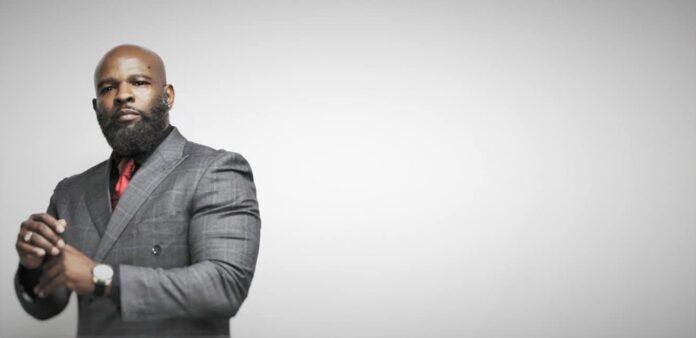

Tell the Dear Fathers community more about who you are and what you do.
I’m Demetris “Illski” Jones, a father of eight, a grandfather, and a filmmaker. I write, direct, and act, and I’m a co-founder of Flaming Elephant Films. I also run The Elephant Room Ltd Co and founded Ndovu Films, a nonprofit connecting filmmaking with support for education, entrepreneurship, and hunger relief. The Measure of a Man brings together my work as a storyteller and experiences that have stayed with me since childhood.
What inspired you to tell this deeply personal story, and why was now the right time to bring it to the screen?
The starting point was my younger brother and our disagreements about homosexuality. I wanted to communicate understanding that our arguments hadn’t allowed me to express. That brought me back to Michael Hamilton and the brief time he stayed with our family when I was a child. The film began as something personal: a way to acknowledge someone’s humanity and contribution even when beliefs differ.
How did your relationship with Michael Hamilton shape the man, father, and storyteller you’ve become today?
Michael was my father’s cousin. His stay lasted about two weeks when I was twelve, but his impact lasted much longer. He helped me prepare for a party, lent me an outfit, and offered advice that gave me confidence. What mattered was the attention and care behind those actions. Returning to that memory as a storyteller allowed me to recognize how much a brief, positive presence can mean in a child’s life.
The film asks whether families can disagree without abandoning one another. Why is that message so important right now?
Our families and communities already experience so much division. I wanted to make room for differing perspectives while asking whether disagreement has to end in exclusion. Someone can hold a different belief and still deserve care, consideration, and a place in the family. That is the conversation I want the film to open.
As a father yourself, how did revisiting your childhood experiences change the way you approached writing and directing this film?
When I was a kid, I read a lot, especially about the civil rights movement and writers like Langston Hughes, Richard Wright, and James Baldwin. What I recognized was that these men had been processed through pain. The pain they experienced helped shape the great men they became.
Looking back through this film, I realized that my own pain had allowed me to become great in my own right, and I don’t shun it. But it also made me ask: if the pain we experience as children can feed our future—if we can turn something negative into something positive—imagine what could happen if we had more joy than pain.
I realized I had been searching for more joy to erase the pain. But as an adult and a father, I had also learned to use that pain as a guide for how to be better to my children.
You also portray the father, Jerome. What did stepping into that role teach you about fatherhood, love, and accountability?
Playing Jerome taught me that unchecked insecurities and fear follow a man—and can spill into his children’s lives. They can create turmoil, neglect, abandonment, and a diminished sense of self-worth.
But it also taught me that if love has ever been planted in a family, that love can grow into a place where those insecurities and fears can be confronted, understood, and worked through.
Who is Demetris as a father?
I became a father at eighteen. The examples I had grown up with were hypersexuality, physical abuse, and absence. Those were the things I wanted to fight against through my own actions and words. But being a young father without guidance, I found myself becoming the very things I had wanted to avoid.
By the time I had my second child, I was married and trying to be an active, loving, caring father—the kind of father I had seen portrayed on television. But my wife and I had different ideas about parenting. We both came from backgrounds that had damaged our self-worth, and that hurt showed up in how we treated each other. Our children witnessed conflict that was inappropriate, hurtful, and damaging to them.
After we separated, I gained custody of all five of my children at that time. As a single father, I was able to create more of the positive example in our home that I had always wanted for myself.
But being what you consider a “good father” does not guarantee the outcomes you want for your children. I have a son serving an eleven-year prison sentence and a daughter who received an eight-year sentence for voluntary manslaughter. She has about three years remaining. Those are painful realities, and they are part of my experience as a father, too.
As my other children have grown, some have come back and expressed appreciation for the father I was to them. Some have apologized for going astray. I tell them it’s okay. We all have to live and learn for ourselves.
Who I am as a father includes all of that: the mistakes I made, the changes I worked to make, the example I tried to provide, and the love I still have for my children.
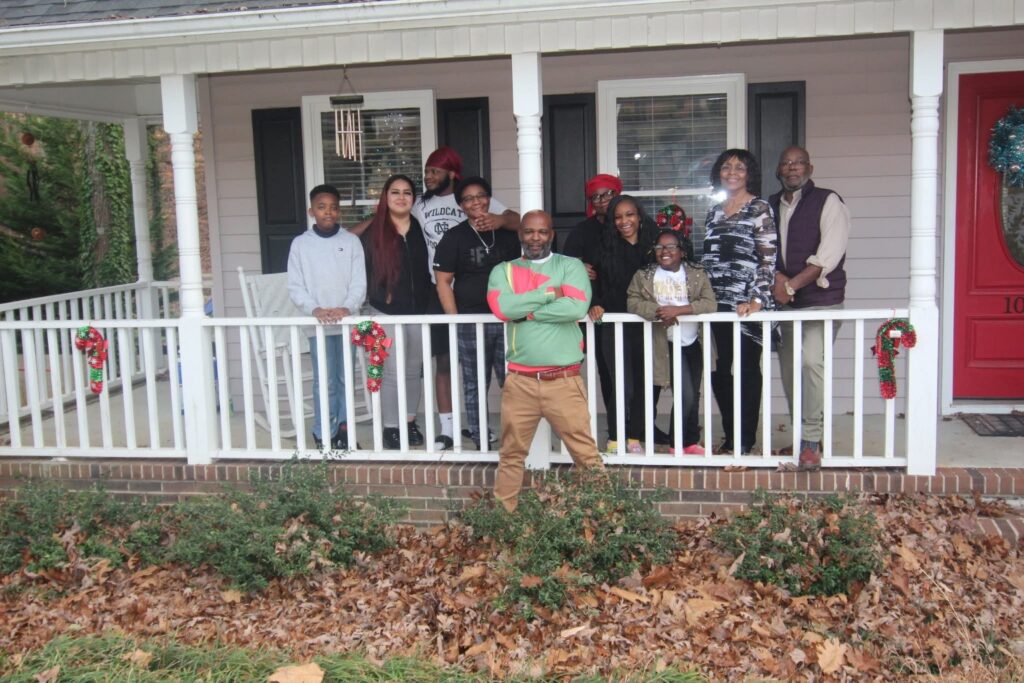
Many men grow up believing authority and love are the same thing. How do you think fathers can lead with both strength and compassion?
This is something I had to learn with my oldest son. Early in my childhood, my father fussed a lot. He was very stern, and I experienced him as mean. He has since become a great man and a great father, and I want to acknowledge that growth. But when I first became a father, I was determined that my son would not feel the way I had felt.
I leaned heavily toward compassion. When he got into trouble, I wanted to be the father who could talk it out, understand him, and give a relatively light punishment. As he grew older, I came to believe I hadn’t been firm enough or prepared him enough for the realities of the world. It took strength to raise him, but I was still learning how to balance understanding with discipline.
For me, that balance means knowing what the moment calls for. Some situations need more compassion. Others need more firmness and discipline. If we haven’t had parenting education or grown up with parents who understood that balance, we often learn as we go. That was my reality.
There is room for leniency, but it has to be balanced and given with wisdom.
What conversations do you hope fathers and their children have after watching The Measure of a Man together?
I hope they talk about how they treat people whose lives differ from their own, what belonging in their family means, and whether disagreement has become a reason to withhold love. I want young people to question the idea that caring makes them weak and to recognize the value they can find in someone they might otherwise dismiss.
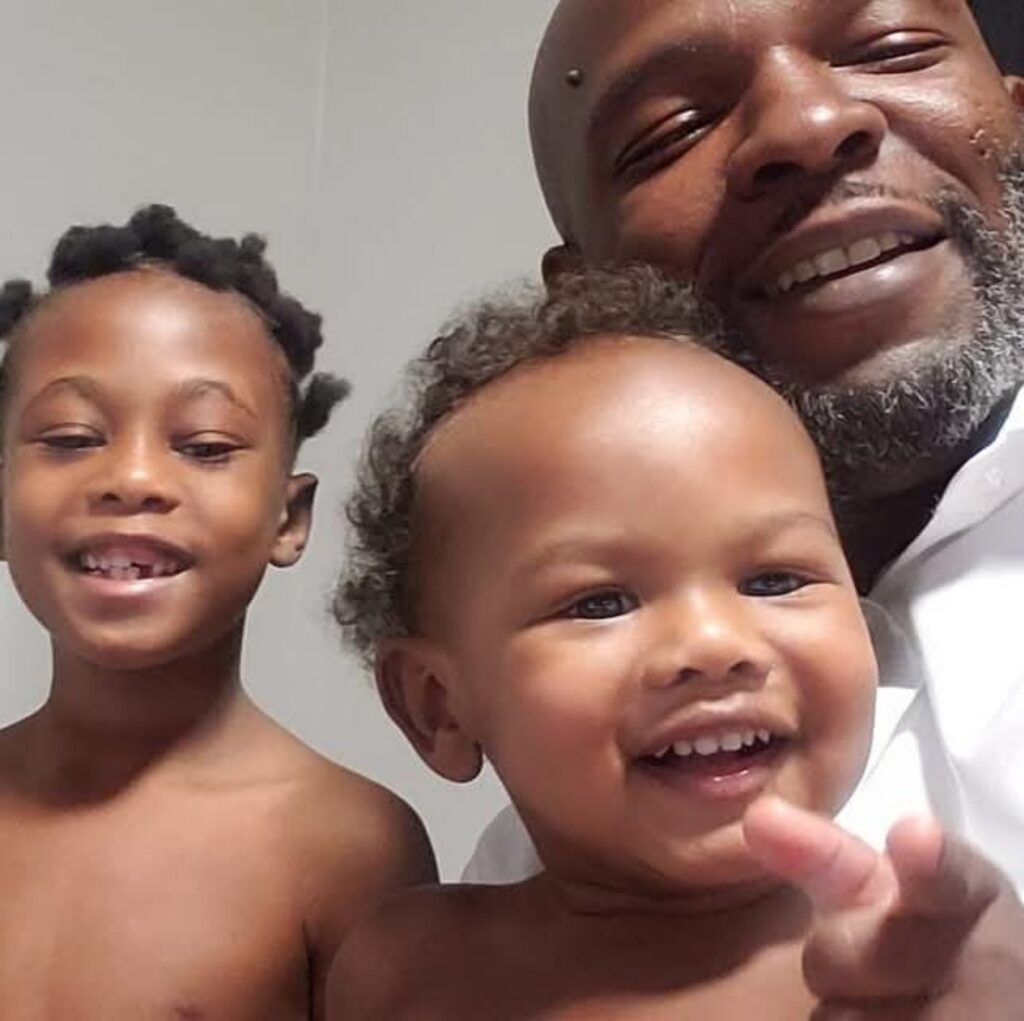
The film explores identity, acceptance, and family dynamics. How can fathers create homes where children feel safe to be their authentic selves?
Creating a home where children feel safe being themselves starts with the parent feeling safe being themselves. We can tell our children they’re free to communicate and express themselves, but that reaches a roadblock if we haven’t embodied that openness ourselves.
As parents, we have to practice what we want to create in the home. That means being open with our children and being willing to have conversations that may be difficult. I believe our openness helps them remain open with us.
Exploring the world together is important, too. Showing children different ways of living, different cultures, and people from different walks of life gives them room to discover more about themselves.
For me, creating that kind of home means giving children the freedom not only to express themselves, but to find their own voice—not only to be themselves, but to discover who they want to become.
If every father reading this interview could take away one lesson from The Measure of a Man, what would you want that lesson to be?
A difference in belief does not erase a person’s worth or their need for love. I hope fathers leave the film thinking about how to remain a loving presence, including when they don’t understand or agree with someone they care about.
What’s next for you and how can people follow you for updates?
I’m continuing to make films and develop stories, while building opportunities for other storytellers through my work with Flaming Elephant Films, The Elephant Room, and Ndovu Films. Ndovu’s purpose includes using film to support education, entrepreneurship, and hunger relief. People can follow our work through https://theelephantroomltd.com and https://www.ndovufilms.org.
The Measure of a Man is available on Tubi:
https://tubitv.com/movies/1000