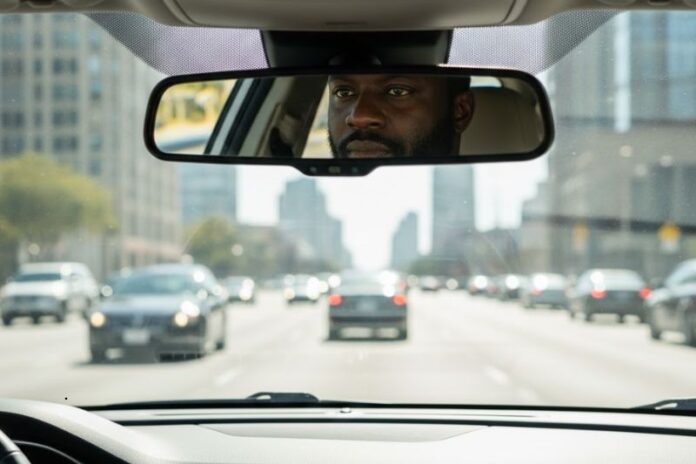

Road safety is a daily choice that affects everyone who uses a street, sidewalk, or parking lot. Every small habit behind the wheel can add up to a safer community.
Drivers have more tools and information than ever. The basics still matter most. Slowing down, scanning ahead, and staying calm turn ordinary trips into uneventful ones.
The Everyday Risk On Our Roads
Most crashes are preventable. They often start with common mistakes like rushing, glancing at a notification, or following too closely. When drivers plan a few extra minutes, risk drops fast.
Federal data shows progress, but tragedies still happen every day. A national update in 2025 reported fewer deaths in the first half of the year, which is encouraging. That trend should push us to double down on the simple moves that work.
Small improvements add up. Setting a steady pace, checking mirrors often, and keeping both hands on the wheel build a buffer. These habits turn near misses into non-events.
Speed, Distance, And Attention
Speed changes everything. A small increase raises the stopping distance and crash force more than most people expect. The safest speed is the one that lets you stop smoothly if something changes ahead.
Keep a cushion. A good rule is to follow with enough space to see tires touch the road. That buffer buys time for surprises and keeps you out of someone else’s mistake.
Attention is the foundation of safety. A reminder many experts use is simple: eyes up, phone down, mind on the drive. You reach your destination with less stress and more control.
- Leave earlier to resist the urge to speed.
- Use cruise control on open highways when conditions allow.
- Count a full three seconds after the car ahead passes a fixed point.
Protecting Kids Every Trip
Children depend on adults to make safe choices every ride. Use the right seat for their age and size, installed correctly. Buckle up on every block, and model it so clicking the belt feels automatic.
Crashes that harm kids are often preventable when buckles are missed or harnesses are loose. Build a never-skip routine that covers snug straps, a chest clip at armpit level, and, to avoid car accidents involving children, no bulky coats under the harness. Practice installation checks monthly and replace seats after serious crashes.
Health experts report hundreds of child crash deaths each year, many without restraints. Let that fact sharpen your focus and your habits. Check seats, slow near schools, scan for darting kids, and use child locks so curious hands stay safe.
Teens Behind The Wheel
New drivers face a higher risk because experience takes time. Teens are still learning to read traffic, judge gaps, and manage pressure from friends. Calm practice builds skills faster than strict lectures.
An AAA summary of federal records has pointed out that teen drivers are involved in deadly crashes at higher rates than adults. Families can lower the odds with a plan for solo drives, night limits, and passenger rules. A simple agreement posted on the fridge helps everyone remember.
Coaching works best when it is specific. Praise good scanning, smooth braking, and safe merges. Model the behavior you want to see by putting your own phone away.
Seat Belts, Airbags, And Safe Habits
Seat belts are the single best protection in most crashes. They keep you in position so airbags can do their job. A belt worn low on the hips and flat on the chest works as designed.
Community surveys show belt use is high, but not universal. That small gap still costs lives. Make it automatic, buckle up before the car moves, and remind every passenger to do the same.
Safe habits extend beyond buckles. Secure loose items so they do not fly in a sudden stop. Adjust your head restraint so the top is level with the top of your head.
Weather, Night Driving, And Fatigue
Rain, snow, and ice change traction and visibility. Slow down and lengthen the following distance to match the conditions. Use smooth inputs so your tires keep grip.
Night driving is a different task. Glare, reduced depth perception, and fatigued drivers raise the risk. Clean your windshield inside and out, and dim the dashboard to help your eyes.
Fatigue builds quietly. If you catch yourself blinking hard or missing an exit, it is time for a break. A short stop and a walk can reset your focus.
- Turn on the headlights in the rain for visibility.
- Replace worn wiper blades before storm season.
- Keep a microfiber cloth to clear interior fog.
Work Zones And Neighborhood Streets
Work zones compress lanes and attention. Watch for flaggers, sudden merges, and uneven surfaces. The safest move is to slow early so you are not forced into last-second choices.
Neighborhood streets hide risk in plain sight. Kids can dart after a ball, and dogs can pull free from a leash. Drive as if someone will step into the road at any moment.
Treat every temporary sign as a promise of change ahead. Follow the cones, avoid lane changes unless needed, and be patient. Crews want to go home safe, too.
What Tech Can and Cannot Do
New cars pack helpful tools like lane support and automatic braking. These features can prevent or soften crashes when used correctly. Still, they do not replace a careful driver.
Trust but verify. Keep your hands on the wheel and your eyes up, even with driver aids active. Think of tech as a backup to your attention, not a substitute.
Navigation apps can reduce stress by avoiding jams. Use voice control or set the route before moving. If you need to adjust, pull over where it is safe.
The Ripple Effect Of Courtesy
Courteousness lowers risk for everyone. Simple gestures like letting someone merge or easing off the horn calm the flow of traffic. When drivers expect kindness, they make better choices.
Signals are small but powerful. Use them early and consistently so others can plan. Clear communication is the glue that keeps traffic predictable.
A patient driver often gets home faster than an aggressive one. Smooth driving avoids sudden stops and wasted fuel. Your passengers will feel the difference.
Road safety grows from small, steady choices. Choose a calm speed, leave space, and keep your eyes up. Buckle every rider, every time.
These habits protect kids, teens, and strangers you will never meet. When drivers act with care, trips feel easier, and communities stay quieter. Make safety your normal.