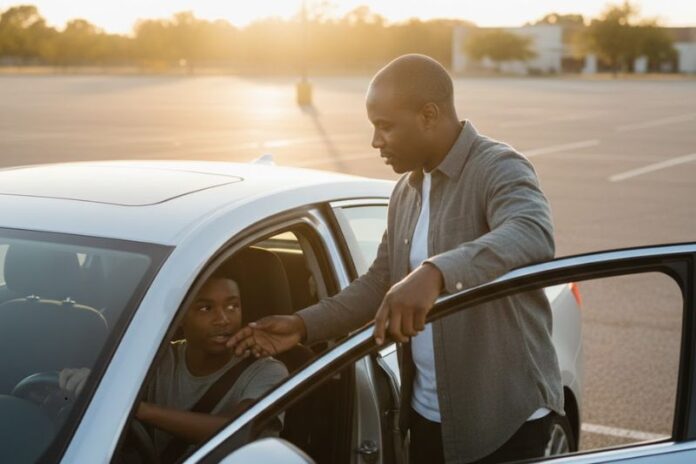

Starting to drive is a milestone for teens and a big mindset shift for families. The right time is less about a birthday and more about readiness. You can look at maturity, focus, routines, and risk tolerance to decide when your teen should get behind the wheel.
How To Judge Readiness at Home
Begin with daily habits. Does your teen wake up on time, manage homework, and own up to mistakes without long arguments? Those patterns often show how they will handle a car, rules, and feedback.
Talk about why they want to drive. Motivation matters. A teen who sees driving as a tool for school, work, or family needs may be more careful than one chasing freedom alone.
Brain Growth, Emotions, and Calm Under Pressure
Teens are still developing impulse control and judgment. That does not mean they cannot drive. It means they need more structure, repetition, and gentle correction to lock in safe habits.
Watch how your teen handles stress. Do they stay calm when directions change, or do they shut down? Driving requires the same skills in a faster, louder setting.
Fit Driving into School, Work, and Life
Look at the calendar. A teen buried in exams, sports, travel, or late shifts may not have the bandwidth to learn well. Driving practice goes best when you can set short, steady sessions 3 to 4 times a week.
Sleep counts. If your teen is often short on rest, consider delaying evening practice. Fatigue can turn small mistakes into big ones in seconds.
The Permit and a Slow Start
Once your teen has a permit, start small and make the car feel familiar. You can start slow with short rides to get used to the cabin and pedals, and explore tips for preparing a young driver for the road that fit your teen, then adjust as you see progress. Keep early routes simple, quiet, and close to home.
Use a mirror check, seat check, and seat belt routine at the start of every drive. Repeat it until your teen does it without prompting. Small rituals build attention and calm.
Build Skills in Low-risk Zones
Start in empty lots at first. Practice smooth starts, stops, and turns. Add gentle braking and rolling right turns. When that feels easy, step up to quiet neighborhood streets.
A step-by-step practice ladder
- Parking lot: starting, stopping, lane position, wide turns
- Quiet streets: right turns, 4-way stops, scanning intersections
- Light traffic: left turns with arrows, lane changes, light merging
- Busier roads: unprotected lefts, timing gaps, multi-lane scanning
- Limited access: on-ramps, off-ramps, steady spacing, speed control
Keep sessions short. Fifteen to 30 minutes is plenty early on. Stop while focus is still strong so your teen ends on a win.
Night, Weather, and Passengers
After daylight basics are solid, add one variable at a time. Try dusk before full dark. Add light rain before heavy showers. Keep music off until your teen can talk and drive without losing lane position.
Be careful with passengers. Friends raise risk because they change the vibe in the car. Research from the Insurance Institute for Highway Safety shows thousands of teens die in crashes each year in the U.S., a sober reminder to pace progress and limit early distractions.
Car Choice, Tech, and Family Rules
Pick the safest car you can reasonably provide. Good tires, anti-lock brakes, and stability control help. A mid-size vehicle that is not overpowered is easier to handle than a tiny car or a high-torque model.
Use tech as a helper, not a crutch. Backup cameras, blind spot alerts, and lane warnings can catch slipups. Still, teach head checks, mirror checks, and scanning. Technology can fail, and your teen needs the skills to handle that.
Set ground rules in writing. Agree on curfew, passenger limits, phone use, music, weather cutoffs, and who pays for gas or repairs. Revisit the agreement after the first month to adjust what is not working.
What to include in your family driving agreement
- Where and when your teen can drive without a parent
- Passenger limits for the first 6 to 12 months
- Exact phone rules, including map use and charging
- A no-questions-asked pickup policy if they feel unsafe
- Who pays for fuel, tickets, and maintenance
- Steps after a collision, even a small one
You’ll also want to have a clear plan in place for any type of emergency situations that may occur. Ideally, you’ll want to equip the car with first aid kits, teach your teens about first aid and road safety best practices (such as placing the right signs when stopping on the road), and agree on who to call in different situations. The chances are that you’ll be their first port of call, but they should also have at hand the contact numbers of emergency services, collision repair specialists, and an accident lawyer. These steps can help maintain a clear mind in an unexpected situation and act efficiently, which is essential while on the road.
Summer, Risk Windows, and Why Timing Matters
Season matters. A summer schedule can create more practice time. It also brings more teen drivers, more miles, and more gatherings. Researchers at AAA have noted that the period between Memorial Day and Labor Day sees a higher average of daily deaths in teen-involved crashes compared with the rest of the year, so plan your teen’s first solo months with extra caution.
Use that insight to shape your plan. If your teen will earn a license in late spring, you might extend supervised practice into early summer and limit night trips, long distances, and full carloads.
Money, Time, and The Value of Professional Lessons
Consider a few professional lessons if your budget allows. A certified instructor brings a calm voice and a second brake. Even 3 sessions can smooth out rough spots and give you a checklist for home practice.
Keep track of total hours. Many states require 40 to 60 supervised hours, but more is better if spread out over months. Aim for a mix of city, highway, and rural roads so your teen sees different patterns and learns to read them.
Red Flags that Mean Wait a Bit Longer
Some teens need more time. That is normal. If your teen zones out, argues every correction, or treats risky moves like a joke, hit pause. Try short practice in parking lots only, then re-evaluate in a few weeks.
Mood swings matter. If anxiety spikes or your teen avoids practice, scale back the difficulty. Confidence grows in small steps. A short delay now can prevent a much bigger setback later.
Quick troubleshooting guide
- If stopping is jerky: return to the lot and practice feathering the brake
- If lane drift shows up: add mirror checks every 8 to 10 seconds
- If turns are wide: slow to walking speed before turning, then add light gas
- If merges feel scary: practice timing with a safe shoulder and a long ramp
- If nerves spike at night: start at dusk for 10 minutes, then add time
As your teen grows, keep talking about what feels hard. Add new roads only when the current ones feel easy. With structure, patience, and clear rules, you can choose a start date that keeps your teen safe and confident.