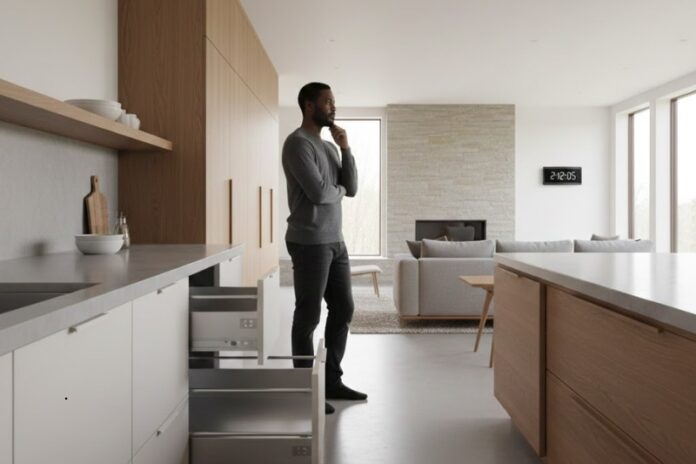

Good flow makes a home feel effortless. It guides people naturally from room to room and reduces bottlenecks. Runners are simple tools that shape those paths without adding clutter.
What Do We Mean By Flow?
Flow is the route people actually take, not just the one shown on a plan. It is about bodies in motion and how sightlines invite movement. When flow is clear, spaces feel calm and intuitive.
Look for friction points where people hesitate. Door swings, chair legs, and tight corners often cause stutters. Fixing these small snags can transform how a home feels.
Think of flow as choreography. Each step should feel predictable and safe. Runners help mark the stage so the next move is obvious.
Map The Desire Lines
Watch how people already move through your home. Notice where your feet land when leaving the sofa or kitchen island. Those paths are your best candidates for a runner.
Sketch the main route from the entry to the living room. Add secondary links to stairs, bedrooms, and the bath. Align runner edges with these invisible lines.
Keep widths honest to the space. Narrow paths want slim runners, while broad halls can handle a wider band. The goal is a lane that reads at a glance.
Guide Movement With Strategic Paths
Place runners to nudge motion where you want it. In living rooms, run the length parallel to the sofa so walking happens behind seating, not through conversations. Aim the path toward a focal point to pull people forward.
Use a single continuous line where the route is long – this keeps momentum steady. In busy homes, stair runners can link the ground floor to upper levels without visual noise. Finish edges cleanly so feet never trip on transitions.
Let the pattern run with the direction of travel. Linear motifs quietly signal the way forward. Subtle borders can act like lanes without shouting.
Quiet, Safe, And Confident Steps
Good flow is not only visual – it is also about comfort and safety. Low-pile runners with quality pads add traction on slick wood or tile. Secure the corners so nothing lifts underfoot.
Noise matters in busy households. Soft fibers soak up footfall and lower echo, making rooms feel calmer. This is noticeable in halls and on stairs.
Safety data from public health researchers notes that millions of older adults experience falls each year, which underscores the value of stable surfaces underfoot. Choose low thresholds and avoid thick lips. A clean install supports confident movement for everyone.
Shape Open Areas Into Readable Zones
Open plans can blur where to walk and where to pause. Use runners to draw a spine through the space while area rugs anchor seating. The eye reads the route, and the rest of the room stays legible.
Color and value do subtle work. A slightly darker runner defines the lane, while lighter surrounding floors keep things airy. Pattern can hide day-to-day dust on high-traffic paths.
A home design publication has pointed out that rugs help carve distinct zones in open layouts, which you can borrow by placing a runner between task areas. Channel movement along the runner’s length. Let furniture cluster off that line so circulation stays clear.
Align With Furniture, Doors, And Sightlines
Furniture and doors decide how comfortable a path feels. Keep runner edges clear of chair legs so people are not stepping on and off with each stride. Check door arcs to avoid rubbing or curling.
- Center runners to the view you want first
- Leave a slim reveal at baseboards for a crisp frame
- Stop short of thresholds by a finger’s width to prevent bunching
Test the route at different times of day. Morning light may glare on glossy floors, making the runner even more helpful. Small shifts of an inch or two can remove visual tension.
Stairs, Landings, And Thresholds
Stairs benefit from a well-secured runner that marks the safest centerline. Keep widths consistent so the rhythm of steps feels even. Tight weaves resist wear and stay crisp on nosings.
Carry the visual line across landings. A short break can feel like a stutter, while a continuous look maintains momentum. If two pieces meet, align patterns so the seam looks intentional.
At thresholds, overlap the path in plan even if materials change. The eye should read one route from room to room. That continuity is what makes a house feel easy to move through.
A home that flows well is simply easier to live in. Start with the routes your family already walks, then lay runners that make those lines clear, quiet, and safe. With a few smart placements, everyday movement becomes smoother without adding any visual clutter.