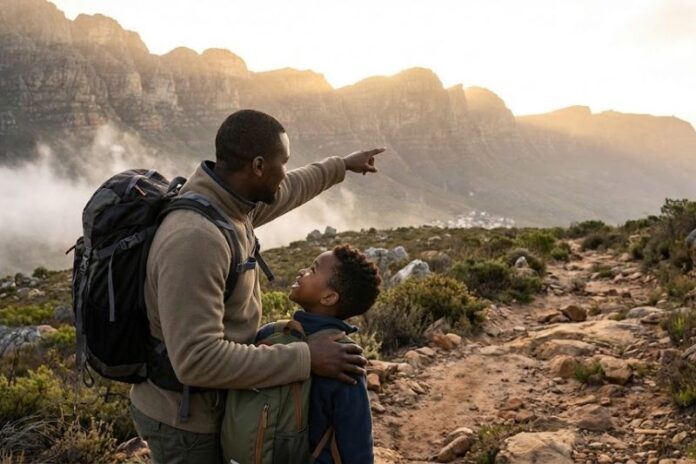

Outdoor expeditions pull people out of routine and place them in settings where comfort fades, and personal choice takes center stage. Remote trails, high summits, deep rivers, and wide deserts place steady pressure on judgment, teamwork, and patience. Each step forward asks for effort that cannot be outsourced. Over time, this effort shapes habits that carry into daily life, from calm decision-making to steady follow-through on goals.
Action follows reflection when a person returns home with new clarity. The trip may end, yet its effects continue in work, relationships, and health. This article explores six types of outdoor journeys that shape character through challenge and reward. Each story shows how movement through demanding terrain builds inner drive and turns intention into practice.
Going to Mont Blanc
Travel toward the highest peak in the Alps begins long before boots touch stone, through months of guided training, planning routes, and shaping a team that can move with trust in thin air and narrow margins. Going to Mont Blanc carries a sense of pilgrimage for climbers and trekkers who study its weather, routes, and long history of attempts that shaped modern alpine travel and safety practices across Europe and beyond.
Preparation reaches a turning point when planning shifts from theory to motion. The idea of a long, uncertain journey across snow and stone toward a Mont Blanc expedition moves from maps and talk into lived effort on ice and rock that tests breath, focus, and the steady use of strength with each upward step. Days on the mountain teach pacing through cold starts, shifting weather, and narrow ridges where every choice carries weight that can be felt through the rope that binds the team. The return from the summit brings quiet pride rather than noise, and the memory of effort shapes later goals through habits formed at altitude and carried into ordinary life.
Desert Crossings and the Art of Steady Progress
Crossing a broad desert on foot places time under a different rule set. Heat dictates pace, water dictates thought, and the horizon acts as a steady reminder of distance yet covered. The absence of shade makes planning a daily ritual that cannot be skipped or rushed. Each step invites care with energy, food, and shared supplies. Sleep comes under an open sky with stars that feel close enough to touch, and the mind learns patience through repetition. The simple act of walking becomes a study in restraint and resolve. Minor errors scale into high costs, so awareness sharpens without strain. Teams that succeed exchange ego for rhythm and silence for clear signals.
Winter Treks and the Discipline of Cold
Winter journeys through arctic ground reshape ideas about comfort and risk. Cold strips tasks to basics such as warmth, movement, and shelter. Skin senses the air as a living force that cannot be ignored. Travel requires exact timing, steady fuel, and a close watch on fingers and toes. Light arcs low across the sky for hours, tinting snow with a pale color that shifts by the minute. Silence holds long stretches of time, broken by skids of sled runners and measured breath. The mind adapts through focus on the next small task rather than distant reward. Group bonds deepen through shared labor that never pauses for complaint.
Traits Formed on Fast Rivers
- Navigation on fast rivers, trains, quick reading of current, shadow, and sound. Paddlers commit to a line within seconds and trust that call through action. This habit of rapid choice steadies people under pressure at work and at home.
- Shared risk on whitewater compresses time for doubt. Crews rely on signals, eye contact, and simple commands. Clear speech grows into a skill that carries into group projects, where confusion can stall real progress.
- Repeated capsizes teach calm under sudden change. Breathing slows by practice rather than theory. That calm surfaces later during setbacks that once sparked panic or retreat.
- Long days on the river build care for gear through routine checks and cleaning. This respect for tools often expands into care for workspace and schedule, shaping habits that support steady output across many fields.
- Arrival at a take-out point after hard water brings earned rest. The body reads fatigue as proof of effort rather than defeat. Many carry that reading into training, study, and long-term plans.
Jungle Routes and the Value of Attention
Travel through dense jungle reshapes attention through tight sight lines, layered sound, and constant contact with living growth. Paths shift daily under rain and foot traffic. The air carries weight from heat and water, pressing effort into every step. Progress slows to match conditions that cannot be rushed. Guides read soil, leaf break, and distant calls with skill learned over the years. Visitors learn to follow with care rather than speed. The reward of such travel lies in patience gained through hours of detail. Each crossing of a stream or rise of ground turns into a task with a clear start and finish. Many who pass through this setting return with a sharper focus on single duties. Multitasking loses appeal. Full presence gains value through lived proof rather than theory.
Outdoor expeditions that test strength, patience, and trust leave marks that extend far beyond a single trip. Each setting asks for choices that carry cost and reward in equal measure. Anyone ready to step into such trials gains a chance to carry their effects into every field of life.