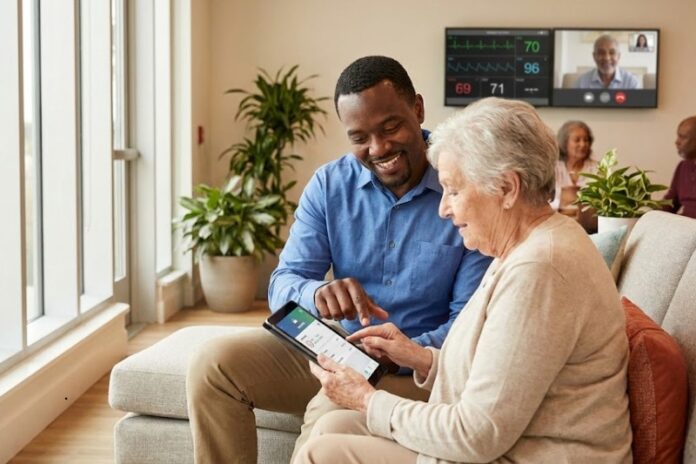

Assisted living is entering a new phase shaped by thoughtful design, discreet technology, and care models that adapt to each resident. The goal is simple to say and challenging to deliver. People want safety, comfort, and autonomy without feeling medicalized or isolated. Innovation now focuses on quiet support that blends into daily life while giving families and teams clear insight into changing needs.
Smart monitoring that respects dignity
Next generation monitoring tools drop the stigma of old panic buttons and produce timely insights without constant interruption. Wearables can track gait speed and heart rate variability, which gives teams a view of fall risk and fatigue before an incident occurs. Ceiling mounted sensors and pressure mats provide context on movement patterns, sleep quality, and bathroom visits without cameras in private spaces. The result is a care plan that shifts in small steps rather than in response to a crisis.
Families receive concise status updates, and residents keep focus on activities they enjoy instead of on devices that beep and flash. When data is used to nudge hydration, schedule a brief walk, or tweak a bedtime routine, quality of life rises in a way that feels natural.
Mobility aids and barrier-free layouts
Mobility defines access to community spaces, dining rooms, patios, and gardens, so building design and vertical transport matter as much as clinical support. Wider doorways, smooth thresholds, and slip-resistant flooring reduce trips and allow walkers to glide without catching on seams.
Low effort lifts fit into existing homes and smaller residences where a full shaft is not feasible, which opens second-floor bedrooms and quiet reading rooms that would otherwise go unused. Residents and families searching for compact lift solutions can weigh options through providers such as Stiltz Home Lifts and similar ones that focus on clean installs with minimal structural change, and that kind of access brings upstairs space back into daily life. Thoughtful lighting, high contrast edges, and smart switches round out the picture by turning night trips to the bathroom into predictable, safe experiences. With movement made easier, participation increases, and mood follows.
Medication management and clinical support at home
Medication routines grow complex as conditions stack up, and missed doses or duplications lead to side effects that look like new illnesses. Automated dispensers with locked compartments release the right pills at the right time, while text prompts or gentle chimes help residents stay on schedule. Telehealth brings pharmacists and nurses into the living room for quick reviews when a new prescription arrives or when a dose change creates dizziness or nausea.
Digital stethoscopes and vital sign hubs let clinicians check lungs, blood pressure, and oxygen levels without a clinic trip, which reduces stress for residents with mobility limits. When technology flags a trend and a nurse validates it with a call, small problems stay small. That rhythm builds trust between residents, families, and care teams, and it reduces emergency transfers that disrupt routines.
Social connection and cognitive engagement
Loneliness shortens lives, and engagement lengthens them. Activity platforms now match residents with small group events based on interests rather than on a generic calendar slot. Music sessions, craft circles, language practice, and gardening tutorials can run in person or by video with lightweight tablets that use large icons and voice prompts. VR experiences introduce scenery and stories that spark conversation, which helps new residents find common ground with neighbors.
Memory care programs draw on personalized playlists and photo boards to cue long-term memories that anchor identity. Even the dining room is changing, with flexible seating plans that seat compatible personalities side by side and calm soundscapes that reduce sensory overload. When people feel seen and heard, participation climbs, and health metrics tend to follow.
Data transparency, privacy, and family coordination
Innovation works best when information moves to the right person at the right time and only in the amount needed. Resident portals now combine care notes, therapy goals, and upcoming appointments into a single view that family members can access with permissions that match their role. Privacy controls let residents decide who sees sleep summaries, mobility alerts, or mood check data.
Messaging tools keep records of questions and answers so the night shift knows what the day shift promised, and families can read a concise recap without chasing emails. Clear audit trails protect dignity and legal rights while still enabling fast action when health status shifts. With that clarity in place, discussions during care conferences stay focused on goals, tradeoffs, and next steps.
Workforce tools and training that raise quality
Care quality depends on people who show up with skill and heart, so technology must serve staff rather than distract them. Mobile task lists guide aides through room-by-room routines with check boxes that update reports in real time. Short video refreshers embedded in those lists teach safe transfers, new lift models, or oral care techniques without pulling staff off the floor for hour-long classes.
Scheduling platforms match resident acuity with staff experience, which keeps workloads fair and reduces burnout. Predictive staffing models learn from call patterns, hospital discharge trends, and seasonal illness waves, then suggest shifts that prevent short staffing before it starts. When teams feel supported, turnover drops, and residents receive consistent care from familiar faces.
Assisted living is moving toward a future defined by quiet confidence. Homes and communities will work like well-tuned instruments where physical space, digital tools, and human touch blend into a steady rhythm. Residents gain freedom to move, connect, and rest, while families see clear signals without constant worry. Leaders who adopt innovations with empathy and clarity will shape environments where safety and joy sit side by side, and where aging feels less like a series of limits and more like a life stage with real possibility.