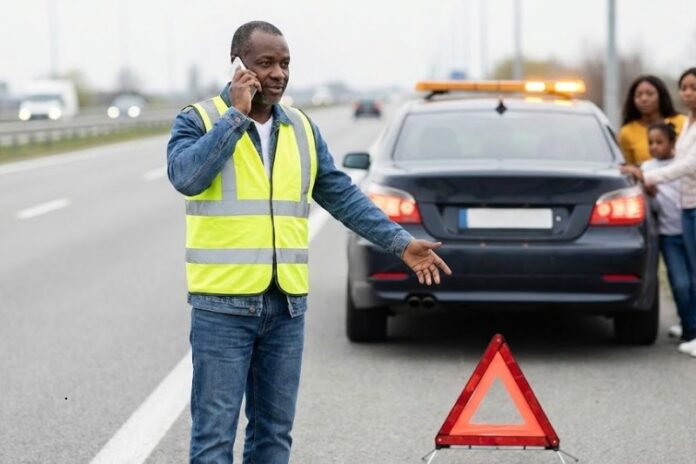

Vehicle emergencies can strike without warning, turning an ordinary drive into a stressful situation. Knowing how to respond calmly and safely can prevent injuries, reduce vehicle damage, and minimize road disruptions. From sudden breakdowns to tire blowouts, having a clear plan of action helps drivers navigate unexpected challenges efficiently. This guide explores practical steps to manage vehicle emergencies, covering safety precautions, immediate actions, and helpful resources.
Stay Calm and Assess the Situation
When your vehicle experiences a problem, it is crucial to remain calm. Panicking can lead to rash decisions or unsafe maneuvers. Begin by safely bringing your vehicle to the side of the road. Turn on your hazard lights to alert other drivers, and if possible, move to a location that protects traffic. Check for obvious signs of danger, such as smoke, leaks, or sparks. Once you have a clear view of the situation, assess whether you can handle the problem yourself or if professional assistance is necessary. If the issue is beyond your control, it may be time to call a tow truck, a service equipped to safely remove vehicles from dangerous locations. They also transport them to repair shops without causing further damage or traffic hazards.
Check Your Vehicle for Safety
Before exiting your car, make sure it is secure. Place reflective triangles or flares around the vehicle if you have them, maintaining a safe distance from passing traffic. Avoid standing directly behind or in front of the car, especially on highways. Examine tires, fluids, and engine components if you can do so safely. Look for any visible leaks or damage that might affect the vehicle’s stability. This inspection provides crucial information for emergency responders or mechanics and ensures you can explain the situation accurately when assistance arrives.
Use Warning Devices
If it’s dark or the visibility is low, use warning devices such as flares, reflective triangles, or a flashlight to make your vehicle more visible to oncoming traffic. This is especially important if you are stranded on a busy highway or in a remote area.
Gather Essential Emergency Supplies
Keeping emergency items in your vehicle is a proactive step for handling breakdowns or accidents. Your kit should include:
- First aid supplies
- Flashlight with extra batteries
- Basic tools like wrenches and screwdrivers
- Jumper cables
- Fire extinguisher
Water and non-perishable snacks - Reflective vest or jacket
- Phone charger and emergency contact numbers
Having these items ready can make a challenging situation more manageable and safer until help arrives.
Know How to Handle Common Vehicle Issues
Certain emergencies are more frequent than others, and knowing simple troubleshooting techniques can save time and prevent further damage:
- Flat tires: Replace with a spare or use a tire repair kit if available.
- Overheating: Turn off the engine, open the hood carefully, and wait for it to cool before checking fluids.
- Dead battery: Use jumper cables from another vehicle or a portable jump starter.
- Engine problems: Avoid driving if unusual noises or smoke appear; wait for professional help.
- Brake failure: Pump the brakes gently, shift to a lower gear, and gradually slow down while steering safely.
Communicate and Seek Help
During an emergency, contacting the right services is key. If you are on a busy road or feel unsafe, call local authorities to alert them of your location. Inform family or friends if assistance is needed. Many roadside assistance services offer real-time guidance while waiting for help. This ensures someone is aware of your situation and can provide support if conditions worsen.
Pro tip: If the emergency involves a commercial truck, consulting a truck accident lawyer in Denver or your area can be crucial to navigate insurance and liability complexities. They can provide essential advice on documenting the scene and communicating with other parties involved in preserving your legal position.
Stay Safe While Waiting
After securing your vehicle and contacting help, prioritize personal safety. Stay inside the car if you are on a high-speed road or unsafe area. Keep doors locked and seatbelts fastened. If it is safe to exit, stand away from traffic and behind protective barriers. Keep children and pets close, and avoid distractions like checking social media excessively. Staying vigilant prevents additional risks and maintains control until help arrives.
Stay Hydrated
If you’re stuck in your vehicle for a prolonged period of time, make sure to stay hydrated. Keep a bottle of water in your car for emergencies like this.
Be Wary of Strangers
While most people who stop to help in an emergency are genuinely trying to assist, it’s important to be cautious of strangers. Keep your doors locked and only roll down your window enough to communicate with them. If you don’t feel comfortable, don’t hesitate to decline their help.
Vehicle emergencies are less stressful when you prepare in advance. Regular maintenance, tire inspections, and fluid checks reduce the likelihood of breakdowns. By planning, you turn unexpected situations into manageable experiences.