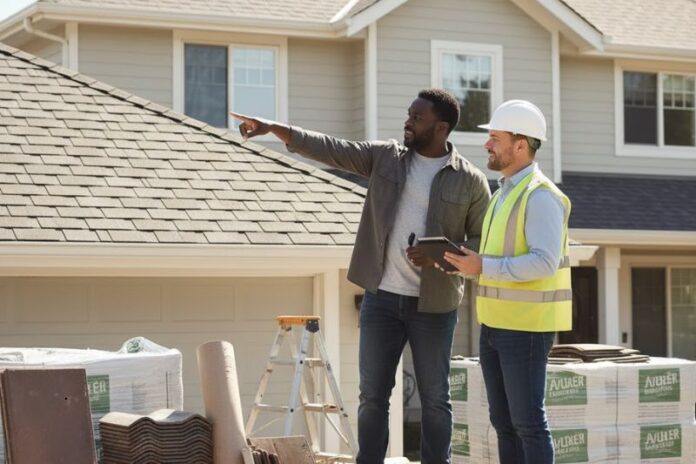

A roof serves as one of the most critical structural elements of any building. It protects the interior from harsh weather, contributes to energy efficiency, and influences aesthetics. While many homeowners focus on design and color, the choice of roofing material often determines how long the structure will last and how effectively it performs under environmental stress.
The right material can enhance a home’s durability and reduce long-term maintenance costs. Conversely, using a product unsuited to local weather conditions or structural design may lead to premature wear, leaks, or costly repairs. Understanding how material selection affects performance is important for anyone planning a roof installation or replacement.
Matching Roofing Materials to Environmental Conditions
Different climates demand different roofing solutions. A material that performs exceptionally well in dry, hot areas may fail quickly in regions with heavy snowfall or humidity. This is why it’s vital to research and select roofing materials designed for local environmental factors.
For example, metal roofing is known for its reflective properties and resistance to fire and wind, making it ideal for regions prone to storms or high temperatures. Asphalt shingles remain popular for their balance of affordability and performance across moderate climates.
Clay and concrete tiles excel in hot, arid areas, where their thermal mass helps maintain cooler indoor temperatures. To make an informed decision, you can find roofers who have information listed on their site about the best material options for your region’s climate and home style. Professional roofing contractors often provide guides and comparison charts detailing how materials respond to heat, moisture, and wind. By consulting these resources, homeowners can narrow their choices to those that provide lasting protection while fitting within budget and aesthetic preferences.
Choosing a roofing material suited to the local environment doesn’t just extend lifespan, it helps maintain indoor comfort and energy efficiency. For instance, reflective coatings or light-colored shingles can reduce cooling costs in sunny climates, while darker materials help retain warmth in colder regions.
Evaluating Lifespan and Long-Term Value
The cost of roofing materials varies significantly, but the most economical option upfront isn’t always the best investment. Asphalt shingles, for instance, are affordable and easy to install, but they typically last 20 to 30 years. Metal, tile, or slate roofs may require higher initial costs but can last 50 years or more with minimal maintenance.
When comparing long-term value, homeowners should consider the lifespan and maintenance requirements, resistance to damage, and potential resale benefits. Durable materials can increase property value by assuring buyers of lower upkeep costs and reliable performance.
Balancing Weight and Structural Integrity
Not all homes are built to support the same roofing materials. Heavy options, such as slate or concrete tiles, require a strong structural framework. Before selecting these materials, homeowners should have their roof framing inspected by a qualified contractor or engineer to ensure adequate load-bearing capacity.
Lightweight materials like metal or composite shingles are more versatile and often suitable for retrofits or older homes. They place less strain on the structure while offering modern performance benefits. Matching the material to the roof’s structural strength ensures both safety and efficiency in installation.
Considering Energy Efficiency and Sustainability
Today’s roofing materials are not just about durability, they’re designed to improve energy performance and environmental responsibility. Reflective roofing products, cool roof coatings, and recycled materials help reduce heat absorption and lower energy consumption.
Metal roofs, for example, can be coated with reflective pigments to minimize solar heat gain, reducing the need for air conditioning. Clay tiles provide natural ventilation beneath the surface, improving thermal performance. Recycled rubber or composite shingles made from reclaimed materials offer eco-friendly alternatives with impressive durability.
The Impact of Maintenance on Roof Longevity
Even the best materials require proper upkeep. Regular maintenance extends the lifespan of any roof by preventing small issues from developing into major problems. This includes cleaning gutters, inspecting flashing, and addressing minor leaks before they cause structural damage.
Different materials demand varying levels of care. Asphalt shingles may need periodic replacement of damaged sections, while tile roofs require occasional inspection for cracked pieces. Metal roofs, though low maintenance, benefit from regular cleaning to remove debris and maintain their finish.
Choosing a Professional Installer for Best Results
Even premium materials will underperform if poorly installed. Selecting a qualified roofing contractor ensures that materials are handled according to manufacturer specifications and local building codes. Skilled installers understand ventilation requirements, flashing details, and sealing techniques that prevent leaks and energy loss.
Before hiring a roofer, homeowners should request references, check certifications, and verify insurance coverage. Experienced professionals can provide detailed estimates that include material costs, labor, and warranty terms. Proper installation combined with the right material selection leads to optimal performance and lasting results.
Selecting the right roofing material is both a technical and aesthetic decision. Each option has unique characteristics that influence comfort, energy efficiency, and durability. By researching local conditions, consulting trusted experts, and considering long-term value, homeowners can make choices that protect their investment and enhance their property’s performance for decades.