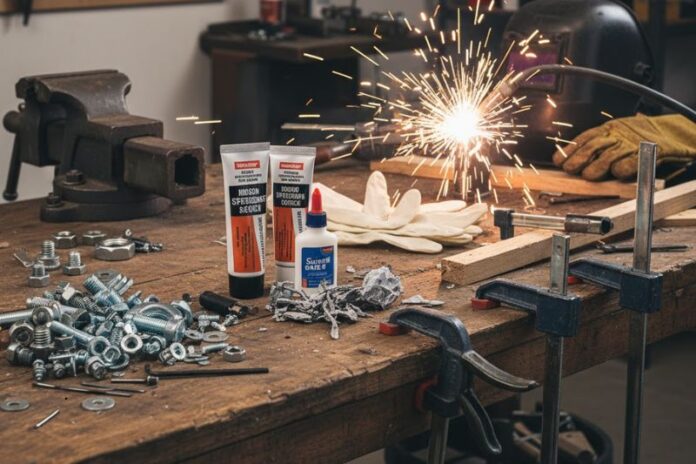

Creating strong and lasting connections between different materials is a key part of many projects, from home repairs to industrial manufacturing. Every material has its own structure, surface texture, and response to pressure or heat, which makes joining them a technical task that requires thought and care.
The methods used to connect materials like metal, wood, glass, and plastic can affect how well a product performs and how long it lasts. Understanding how these bonds work and what tools or techniques to use is an important step for anyone looking to achieve reliable results in construction, design, or engineering.
Understanding Material Properties
Knowing how materials behave under stress, heat, or moisture is the first step toward making strong and reliable connections. When working with screws, for example, it helps to understand how different materials respond to pressure and tension so the threads hold without stripping or cracking the surface, professionals from Screws and Fasteners explain. Metals are dense and expand with temperature changes, while plastics can deform if exposed to excessive heat.
Wood reacts to humidity and can swell or shrink, affecting how tightly it fits with other parts. Matching the right fasteners and bonding techniques to each material’s natural traits leads to secure joints that resist wear and environmental stress.
Mechanical Fastening Methods
Mechanical fastening is one of the oldest and most reliable ways to connect materials. Screws, bolts, rivets, and nails work by physically holding two parts together through tension or compression. The advantage of mechanical fasteners is that they allow easy disassembly, making them practical for repairs or modifications.
When connecting dissimilar materials, it’s crucial to consider their thickness and density. Joining thin sheet metal to a wooden frame might require washers or anchors to distribute force evenly and prevent damage. When vibration is common, such as in machinery, locking nuts or thread sealants can help maintain a firm hold.
Adhesive Bonding and Its Applications
Adhesives have become increasingly popular for joining materials when a clean finish or flexible connection is desired. Modern adhesives can bond almost any combination of materials, from glass to rubber or composites. Epoxy resins, cyanoacrylates, and polyurethane-based glues are common choices, each suited for specific tasks.
Epoxy provides exceptional strength for metal and ceramic bonding, while polyurethane offers flexibility for wood and plastic. Surface preparation is critical in adhesive bonding; materials must be cleaned and sometimes roughened to allow the glue to grip effectively. Temperature and curing time affect bond strength, so following product instructions closely ensures the connection performs well.
Thermal and Chemical Joining Techniques
For some materials, heat or chemical reactions are used to create secure bonds. Welding, soldering, and brazing are common for metals, where heat fuses surfaces into a single structure. Plastics can be joined by heat staking or solvent welding, which softens their surfaces to allow fusion.
These methods require control and precision, as excessive heat can weaken or distort the materials. Chemical bonding is often used in specialized fields like electronics or aerospace, where lightweight materials and exact connections are needed. Carbon fiber parts can be joined using resin systems that cure chemically to create extremely strong bonds without adding bulk.
Combining Fastening Methods for Extra Strength
Many projects benefit from using more than one joining method to increase durability and safety. A mix of mechanical and adhesive bonding provides immediate hold and long-term stability. Screws can keep materials aligned while adhesive cures, preventing movement that might weaken the bond.
In structural applications such as furniture or vehicle assembly, layered approaches distribute stress more evenly and extend the life of the connection. Selecting compatible materials and fastening methods can reduce wear and prevent failures caused by vibration or temperature shifts. Combining techniques helps cover each method’s weaknesses and ensures reliability even under demanding conditions.
Preventing Corrosion and Material Fatigue
Even the strongest connection can fail if environmental factors are ignored. Moisture, temperature changes, and friction can lead to corrosion or fatigue in joints that combine different materials. Protective coatings, sealants, and insulation layers help reduce these risks.
When joining steel and aluminum, galvanic corrosion can occur if they come into direct contact in the presence of moisture. Using insulating washers or corrosion-resistant fasteners helps stop this reaction. Regular inspection and maintenance of joints, like those exposed to outdoor conditions, are critical to catch early signs of wear.
Connecting different materials securely involves understanding their unique traits and how they respond under various conditions. From mechanical fastening and adhesives to thermal and chemical bonding, each technique offers strengths suited for specific uses.
Taking time to prepare surfaces, choose compatible methods, and protect against wear ensures strong, lasting joints that perform as expected. Whether assembling furniture, repairing machinery, or working on large-scale construction, applying these basic principles builds reliability into every connection.