
Your commercial facility is more than just a building. It reflects your brand and serves your team, customers and community. Keeping it modern, secure and functional is a strategic investment in your future. While deciding which upgrades to prioritize can be tough, focusing on key areas that balance durability, security and design will pay off. Learning how to revitalize your facility with the right upgrades is a critical step. The goal is a space that looks good and performs exceptionally, protecting your assets and people.
First Impressions Matter: Upgrading Your Building’s Exterior and Entryways
The outside of your building is the first thing anyone sees. A dated exterior can give the wrong impression before a customer even steps inside. Simple upgrades like a fresh coat of paint, modern signage and professional landscaping can dramatically improve curb appeal. The most critical part of your entryway is the door. When selecting a new commercial door, you’re balancing aesthetics with heavy-duty performance. A glass door might suit a retail shop, while a solid steel door provides security for a warehouse. Consider your daily traffic.
A high-volume space needs durable hardware and maybe an automatic operator for accessibility. These doors are a key part of your building’s safety system, so investing in high-quality entrances protects your image and security.
Boosting Security Without Sacrificing Style
Security is essential for protecting your employees, customers and assets. Modern solutions let you enhance safety without turning your building into a fortress by integrating features thoughtfully into its design. Start with access control. Moving from traditional keys to key cards or fobs gives you precise control over who enters specific areas. This is useful for sensitive zones like server rooms. High-definition surveillance cameras are another key upgrade offering clear footage and remote viewing.
You can place them discreetly so they don’t disrupt your building’s aesthetic. Don’t overlook lighting. Well-lit parking lots, walkways and entryways are effective crime deterrents. Upgrading to LED lighting improves security and lowers utility bills.
Creating Smarter, More Efficient Interior Spaces
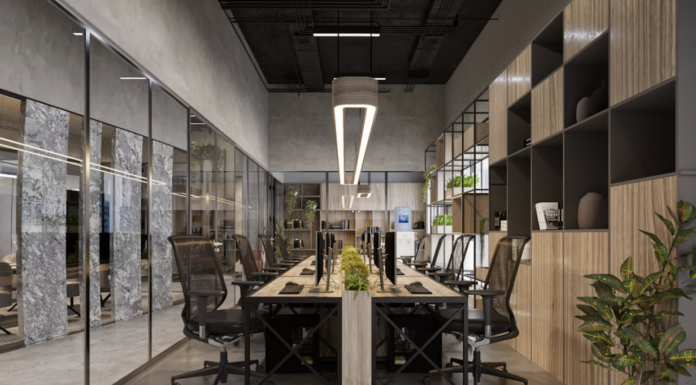
The layout and feel of your interior directly impact productivity and customer experience. Modernizing your space is about creating a smarter, more flexible environment. While open floor plans are popular for collaboration, it’s also important to have quiet zones for focused work. Using modular walls or movable partitions offers a great balance. Technology is also key for modern interiors. Smart lighting can adjust to natural daylight, saving energy. Upgrading your HVAC system improves air quality and climate control, keeping everyone comfortable.
These improvements are central to current commercial building design trends, which focus on user well-being and efficiency. A well-designed interior shows you care about the people inside.
The Foundation of High-Performance Buildings
Some of the most critical upgrades are the ones nobody sees. The structural components of your building, such as the roof, plumbing, and electrical systems, are its backbone. Ignoring them can lead to expensive emergency repairs. Proactive upgrades to these core systems are essential for long-term durability. A leaky roof can cause extensive water damage, and outdated wiring is a fire hazard. Regular inspections help identify issues before they become major problems.
When it’s time to upgrade, focus on longevity and efficiency. A new roof with modern materials can provide better insulation, while low-flow fixtures reduce water use. These foundational elements create high-performance buildings that are resilient and efficient.
Integrating Sustainable Design for Long-Term Value
Thinking green is a smart business strategy. Sustainable upgrades can lead to significant long-term savings and enhance your brand’s reputation. This involves a complete approach to how your building consumes resources. Start by evaluating your energy use. Upgrading to energy-efficient windows, adding insulation and installing a programmable thermostat can drastically cut utility costs.
For a bigger impact, consider renewable energy like solar panels. Upfront costs can be offset by incentives and long-term energy savings. Water conservation is another key area. In addition to low-flow fixtures, you can use rainwater harvesting for landscaping. The principles of sustainable building design also extend to renovation materials. Opting for recycled or locally sourced materials reduces your environmental footprint while supporting responsible construction practices and creating healthier spaces for employees, clients, and visitors.
Upgrading your commercial facility is a continuous process, not a one-time project. By focusing on these key areas, you’re not just improving a building; you’re investing in a safer, more efficient and more welcoming environment for everyone who walks through your doors. These improvements can also strengthen your company’s reputation, reduce operating expenses, and demonstrate a meaningful commitment to sustainability.