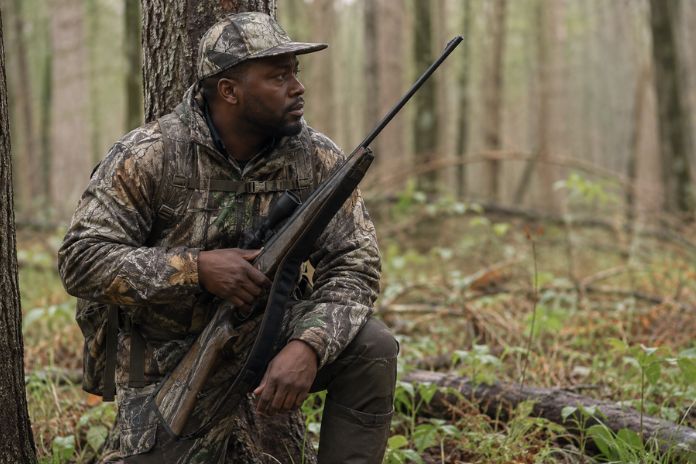

Heading out into nature brings a unique thrill that few other activities can match. Proper preparation helps turn a simple weekend outing into a highly successful adventure.
Success requires patience, discipline, and the correct mindset before leaving home. Gathering geographical knowledge changes the entire trip and boosts your confidence.
Study The Target Territory
Mapping your designated zone helps you navigate safely through dense forests. Knowing the local terrain protects you from getting lost in unfamiliar woods. Reliable maps show hidden ridges, water sources, and animal bedding areas. You can mark these spots on your device before starting the journey.
Scouting the area ahead of time reveals active game trails. You can utilize platforms like https://duckr.app/ to track movements, which helps you plan the perfect setup location. Checking these details saves hours of aimless walking during the actual trip. Digital tools offer a massive advantage to modern outdoorsmen.
Look for fresh tracks and droppings near active water sources. These clear signs indicate active wildlife zones that merit further inspection. Game cameras can provide extra assistance during the pre-season months. Setting them up early gives you a clear picture of local wildlife habits.
Practice Patience Before Firing
Your adrenaline spikes the moment a target appears in your field of view. Staying calm determines whether you make a clean shot or miss completely. Taking a few seconds to breathe can steady your pounding heart.
A guide by Browning mentions that many hunters get in a rush the moment they spot an animal. Taking a deep breath helps stabilize your hands on the firearm. Squeezing the trigger slowly yields much better results than jerking it. Controlled movements separate experienced marksmen from beginners.
Rushing leads to major mistakes and a wounded game in the field. Practice steady breathing exercises at the shooting range to prepare your mind. This practice builds muscle memory for high-stress situations. You will notice a major improvement during your next outing.
Pack The Correct Gear
Your backpack holds the tools for survival and complete success. Weight matters when walking long distances through thick brush and steep hills. Choosing lightweight items prevents physical exhaustion during long treks.
Smart packing involves selecting multi-use tools. Certain items belong in every pack:
- Navigation tools prevent navigation errors.
- First aid kits handle minor injuries.
- Extra water keeps hydration levels stable.
- Compact knives assist with field dressing chores.
Keep high-energy snacks within easy reach inside your side pockets. Small meals maintain your stamina throughout a grueling day. Check your pack twice before leaving your vehicle. Missing a key item can ruin the entire experience.
Plan For Peak Times
Wildlife activity changes based on weather patterns and seasonal forecasts. Tracking these subtle shifts maximizes your chances of a successful sighting. Dedicated research helps you pick the best calendar days.
An article from TruDave Gear states that during predicted peak days, you should plan dawn-to-dusk sits if possible. Staying in position all day requires immense mental toughness. Pack extra clothing layers to stay warm during cold snaps. Long waits often reward patient individuals.
Deer move when sudden temperature drops occur in the region. Early morning hours offer excellent visibility for spotting movement. Midday tracking works well during the autumn rutting season. Monitor the local weather apps closely for sudden changes.
Focus On Turkey Safety
Different game types require specific safety protocols in the field. Turkey hunting demands extra caution due to low visibility in dense spring foliage. Remaining aware of your surroundings prevents dangerous situations.
Government safety guidelines warn that you should never use a tail fan to attract turkeys. This action can mistake you for live game to other nearby hunters. Staying visible to humans prevents accidental discharge incidents. Safe practices protect everyone sharing the public lands.
Wear bright orange clothing when moving between different setups. Call from a stationary position behind a large, solid tree trunk. Protect your back from potential blind spots at all times. Alertness saves lives during popular hunting seasons.
Master The Art Of Camouflage
Blending into the background involves more than just wearing green clothes. Animals notice distinct shapes and sudden movements very quickly. Your gear must match the environment you plan to explore.
Match your patterns to the local foliage – use branch designs for deep woods and grass designs for open marshes. Breaking up your human silhouette tricks sharp, wild eyes. Remain completely still when the game approaches your position. Silence complements your visual disguise perfectly.
Scent control plays a massive part in masking your presence in the woods. Use the wind direction to stay downwind of your target area. Wash your clothing in scentless soap before packing it. Avoid pumping gas in your hunting footwear.
Improving your skills takes time, patience, and dedication in the field. Every single trip offers a valuable chance to learn something new about wildlife behavior and forest survival.
Enjoying the quiet moments makes the physical effort worthwhile. Safety and thorough preparation create lasting memories under the open sky for years to come.