
Tell us more about who you are and what you do?
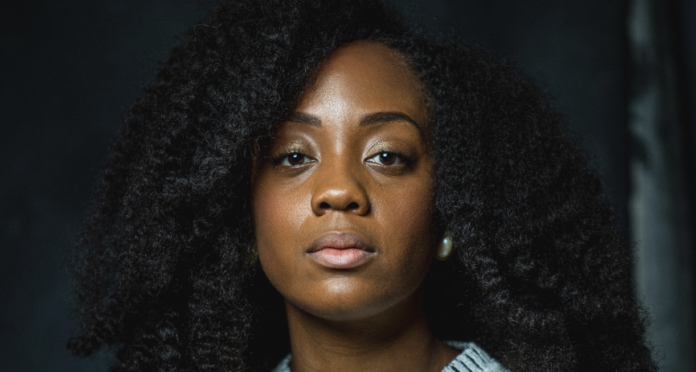
I’m Shirley Williams-Toney, and at my core, I’m a storyteller. But not just in the traditional sense. I build stories that move people, that shift perspective, that create real impact.
Over the last 15+ years, I’ve worked across film, television, and digital, creating content for brands like AT&T, Microsoft, Dentsu, Kroger, Buick, VICE, Refinery29, and Condé Nast, generating over 100 million views globally. I’ve been Emmy nominated, won multiple Ad Week Awards, and have been recognized across the industry, but what matters most to me is the work itself and what it does for people.
I’m the founder of Willie B. Studios, where we focus on culturally grounded, impact-driven storytelling. And I also operate deeply in the world of AI as the co-founder of AI and The Culture, where we’re building community and access for Black and Brown technologists, entrepreneurs and creatives.
Everything I do sits at the intersection of story, systems, and culture. A Father’s Wreckoning is a reflection of that.
What was your inspiration behind A Father’s Wreckoning?
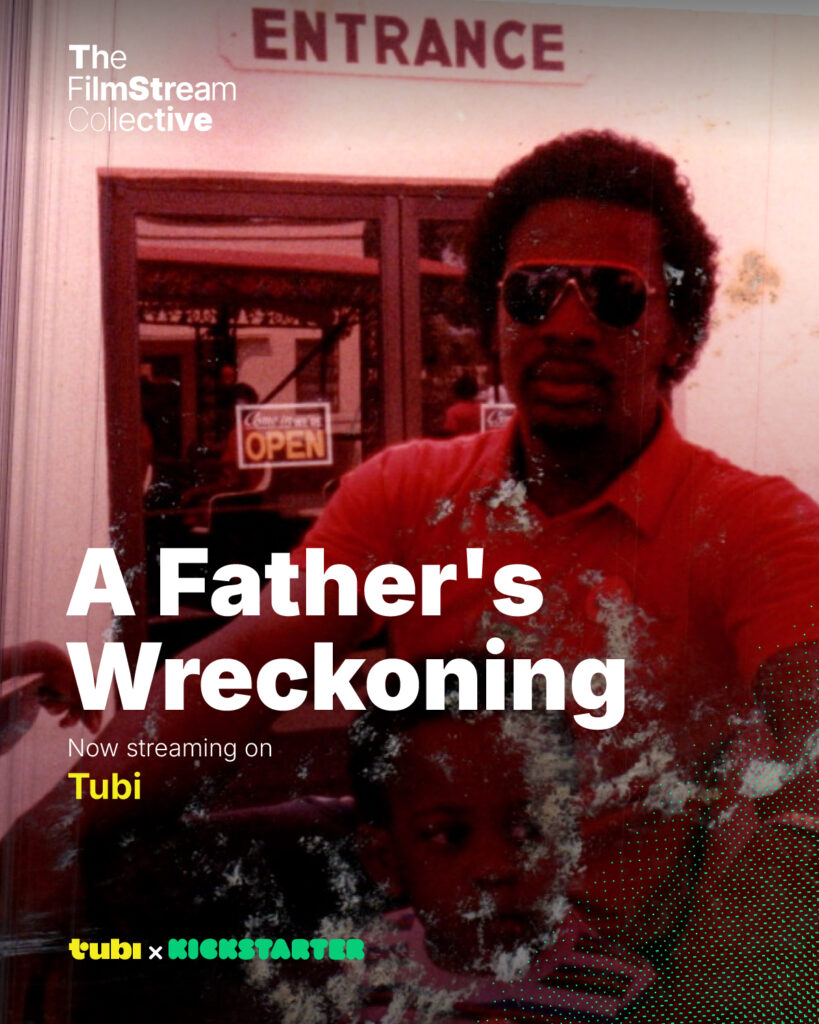
I met Martin Thomas in 2017, just a few months after he was released from prison. I was sitting in church, listening to him preach, and something about him just stayed with me. It wasn’t just what he was saying, it was who he was. There was a depth there that didn’t match the weight of what I would later learn about his past.
I spent the next year getting to know him, flying to Indianapolis, sitting in conversations, really trying to understand how someone could hold both this level of faith and this level of pain. He made a decision that devastated families, including his own. But I also saw his remorse, his faith, and the work he was doing inside prison, pouring into other men, helping transform their lives.
What pulled me in was the tension. Not just his story, but what his absence did to his sons. That’s where the film really lives.
How has your relationship with your dad impacted the woman you are today?
That question really makes me so emotional.
My dad is one of the most committed and devoted men I’ve ever known. He is his word. And growing up watching that, it set a standard in me. Excellence, discipline, responsibility, those weren’t things he talked about, they were things he lived. So I learned early that how you show up matters.
But what shaped me just as much is that he’s also a flawed man, and he owns that. I’ve seen him apologize. I’ve seen him take accountability. That gave me permission to live in truth, not perfection.
He’s also incredibly strong. Life could hit him, and it never broke his spirit. It fueled him. That resilience is something I carry into everything, my relationships, my leadership, my work. Who I am today, how I move, how I love, it all traces back to him.
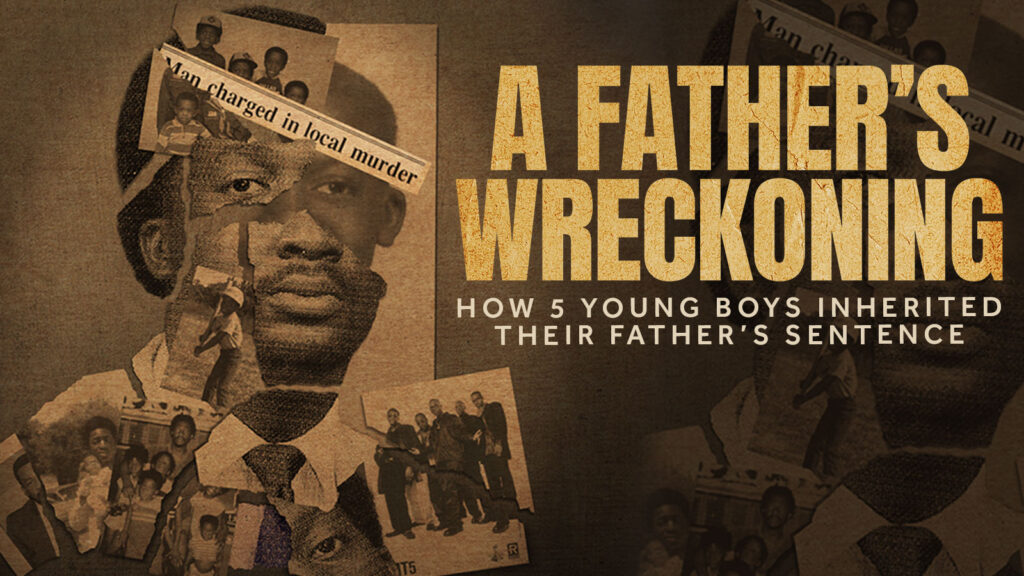
Tell us more about the main character, a dad who served 23 years away from his 5 sons?
Martin Thomas is one of the most complex and compelling men I’ve ever met. He’s kind, generous, patient, deeply insightful, and full of wisdom. He’s a father, a grandfather, a brother, an uncle. But more than anything, he’s human. A man loved by God, forgiven by God.
When you meet him today, you see this grounded, spiritually anchored man. But he was once a young boy who lost his way and made a devastating decision that changed everything. That decision took him away from his family for 23 years.
And yet, it was inside prison where something shifted. He reconnected with his faith, began pouring into other men, baptizing hundreds, mentoring them, becoming a father figure to many. Today, through his reentry work in Indianapolis, he’s helping men rebuild their lives. When people encounter him, there’s something undeniable. You don’t just hear his story, you feel it. And you want to understand how a man can hold that much brokenness and that much redemption at the same time.
How did that experience impact building a new relationship with his sons?
It’s layered. There’s no clean way to rebuild after that kind of separation.
He was gone for over two decades. His sons grew up without him. Some of them describe the experience like a death. That kind of absence doesn’t just disappear when someone comes home. It lives in how you see the world, how you trust, how you connect.
So when he returns, he’s not coming back to little boys. He’s meeting grown men. In many ways, they’re learning each other for the first time. And each relationship is different, because each son processed that absence differently.
There’s real joy there. Some of them spend holidays together, some of them work alongside him now. But there’s also pain that still lingers. Rebuilding requires consistency, truth, and time. It’s not a moment. It’s ongoing work.
What are the top three takeaways you want viewers to receive from the documentary?
First, that there is nothing God cannot redeem. No matter how far you think you’ve gone, there is always a path back. And every day we wake up is another opportunity to extend grace, not just to ourselves, but to others.
Second, I want people to truly understand the impact of parental incarceration, especially on Black and Brown children. We need our parents. Their absence creates real emotional and psychological gaps that don’t just go away with time.
And third, I want us to think more deeply about accountability and second chances. So many of us have made decisions that could have changed our lives if the circumstances were different. We just weren’t caught. If we believe in grace for ourselves, we have to believe in it for others too.
Describe the importance of a father/son relationship from your POV?
A father shapes how a son sees himself. How he understands love, discipline, identity, and even worth. That relationship becomes a blueprint.
When it’s present and healthy, it creates grounding. It gives a young man a sense of direction and stability. But when it’s fractured or missing, it can leave questions that follow him for years.
What this film shows is that the impact of that relationship doesn’t stop at childhood. It carries into adulthood, into how men show up in their own lives and relationships. And even after years of separation, that desire for connection is still there.
What does legacy mean to you?
Legacy is what you pass through, not just what you leave behind.
It’s the values, the habits, the patterns, the love, and even the silence that gets carried from one generation to the next. It’s happening in real time, in how we live, how we show up, and how we treat the people closest to us.
This film really pushed me to think about legacy in a more honest way. Not as something distant, but as something we’re actively building every day. Whether we’re intentional about it or not.
What are your goals for the film and for yourself as a director?
My goal for the film is for it to reach the people who need it most. The sons who are still carrying questions. The fathers trying to find their way back. The families sitting in silence.
I want this film to live beyond the screen. In churches, in classrooms, in community spaces where real conversations can happen.
As a director, I’m committed to telling stories that create impact. Stories that don’t just entertain, but shift perspective and open people up to deeper understanding. That’s the work I will keep doing.
What’s next for you and how can people stay connected with you?
Right now, I’m building at the intersection of storytelling and technology.
Through Willie B. Studios, we continue to create culturally grounded, impact-driven stories for brands and platforms. At the same time, I’m deeply invested in the future of AI. I co-lead AI and The Culture alongside King Willonius Hatcher, the creator of BBL Drizzy and one of Time Magazine’s 100 most influential voices in AI. Our focus is on educating Black and Brown communities and making sure we’re not just consuming technology, but actually understanding and using it to build.
As for staying connected, people can follow the film and the journey at:
- Instagram: @afatherswreckoning
- Website: afatherswreckoning.com
- Watch the film free on Tubi
And you can follow me directly at:
- Instagram: @ShirleyWilliamsToney
We’re building community, conversation, and access. I’d love for people to be a part of that!