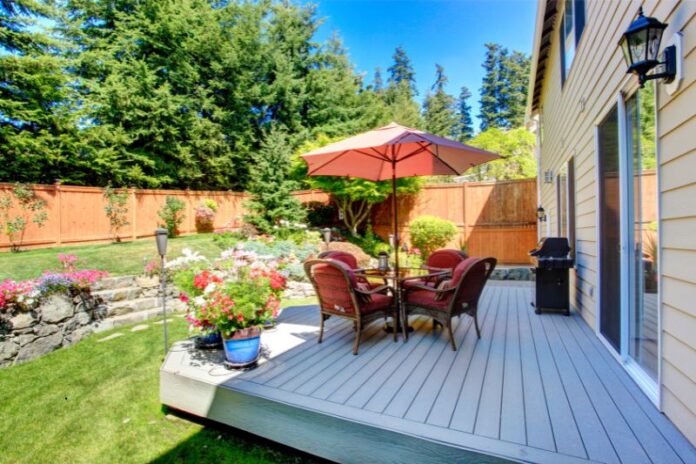

A well-organized outdoor space can completely change how a yard, patio, or balcony feels and functions. Thoughtful arrangement of furniture, storage, and decorative elements creates a space that is practical and inviting. Organization allows every corner to serve a purpose, whether it’s for relaxing, entertaining, or gardening.
By planning layout and storage carefully, clutter is reduced and usability increases. Outdoor areas can then become extensions of the home, offering comfort, efficiency, and style in equal measure, making them enjoyable throughout the year.
Defining the Purpose of Your Space
Before rearranging or purchasing anything, it’s helpful to identify how the space will be used. Some might want a quiet reading corner filled with plants and shade, while others prefer a cooking or social zone designed for gatherings. Understanding the primary purpose helps guide layout decisions, furniture placement, and storage solutions.
A family that loves hosting barbecues may need a clear area for food preparation and seating, while gardeners might prioritize a workbench and potting zone. By defining purpose early, organization choices become more intentional, reducing clutter and improving flow.
Balancing Comfort with Clean Design
Creating an outdoor space that feels comfortable and organized requires thoughtful choices in furniture and layout. Bean bags, as we can learn more online, offer casual seating that is easy to move and store, adding flexibility without overwhelming the area. Combining these with structured elements like benches, tables, or weatherproof storage boxes ensures the space remains orderly.
Soft textiles such as cushions, outdoor rugs, and throws can introduce warmth and texture while maintaining a tidy appearance when stored correctly. Choosing a cohesive color palette and keeping décor minimal prevents visual clutter. The result is a harmonious environment that invites relaxation while remaining functional and visually appealing for everyday use.
Maximizing Vertical and Overhead Space
When floor space is limited, looking upward often reveals unused potential. Vertical organization is useful for compact patios or balconies, where every inch counts. Wall-mounted hooks can hold garden tools, lanterns, or decorative items, while lattice panels double as trellises and storage grids.
Overhead structures such as pergolas and hanging racks add shade and function, allowing planters, lights, or storage baskets to hang neatly. These additions make the space feel layered and dynamic, drawing the eye upward while freeing up room for movement and seating below.
Clever Storage That Blends with the Environment
Outdoor organization thrives on smart storage that doesn’t disrupt the natural beauty of the space. Hidden storage benches, vertical shelving made from reclaimed wood, or weatherproof cabinets can neatly hold tools, cushions, or toys without crowding the area. Even small spaces benefit from creative solutions such as hanging planters with pockets for gardening items or under-table baskets for accessories.
Choosing storage that complements the surroundings, like wicker for rustic patios or sleek metal for modern decks, adds cohesion to the design. The goal is to merge utility with aesthetics, keeping everything within reach but never in plain sight.
Creating Functional Zones for Efficiency
Dividing outdoor areas into clear zones helps maintain order and enhances usability. For example, a dining section can be defined by a rug or paver stones, while a relaxation corner might feature lounge chairs and soft lighting. Gardeners can use raised beds or low fences to set apart planting zones.
This approach looks structured and keeps tools and accessories close to where they’re needed. When each zone serves a distinct function, maintenance becomes easier and the area feels more spacious, even if it’s small. Clear boundaries make it easier to decorate each area according to its purpose, adding personality without clutter.
Maintaining Order Through Simple Habits
Even the most carefully organized outdoor space can lose its charm if it isn’t maintained regularly. Building small habits into a routine keeps everything tidy and functional. Returning items to their designated spots after use, sweeping debris weekly, and inspecting furniture for wear help preserve appearance and usability. Seasonal adjustments play a role.
Storing cushions during rainy months or rotating décor to match the weather keeps the area fresh. Organization is not a one-time effort but an ongoing process that keeps the outdoor environment enjoyable and stress-free year-round.
Outdoor organization is about crafting harmony between functionality and design. Every corner, no matter how small, has the potential to serve a purpose.
With thoughtful planning, clever use of vertical space, and consistent upkeep, an outdoor area can transform from cluttered to captivating. Whether it’s a sprawling backyard or a compact balcony, making every corner count turns outdoor living into a daily pleasure, where order and beauty coexist effortlessly.