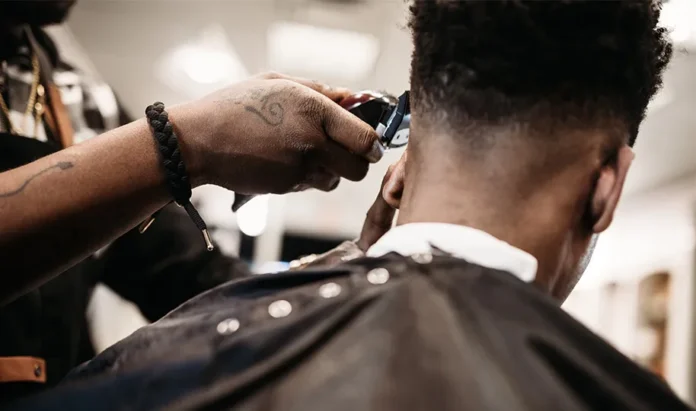

Barbering is an art that merges technical skill with creativity. For those stepping into this field, mastering the craft involves more than practicing on mannequins or studying trends. The tools a barber chooses influence the precision, speed, and quality of every cut. From shears to clippers, every instrument carries its own role in shaping a barber’s capabilities. Aspiring professionals who dedicate themselves to learning the subtleties of their tools often find their confidence and skill growing in tandem. Understanding the functions and proper use of barbering tools is a step toward developing a reputation for excellence in the eyes of clients.
Elevated Client Experience
Creating a remarkable client experience begins with having the right tools at hand. Clippers that glide smoothly across the scalp, shears that offer unmatched control, and combs designed for different hair textures all contribute to the comfort and satisfaction of clients. With reliable, precision-made tools from Hanzo, barbers can deliver consistent results with every session, building trust and loyalty. When a barber can execute a sharp fade, a clean line, or a detailed design with minimal effort, the client perceives professionalism and attention to detail. The tactile quality of premium tools also translates into a smoother workflow, making the overall experience more enjoyable for both the barber and the customer. Elevating client satisfaction starts with the instruments that turn skill into art.
Clippers and Trimmers: Crafting Precision
Clippers and trimmers are fundamental for achieving sharp cuts and seamless fades. The quality of the blade, motor strength, and ergonomics dictate how effortlessly a barber can sculpt hair. Learning to maneuver these tools requires steady hands and an understanding of hair growth patterns. New professionals who invest time in practicing with different blade sizes and guard attachments notice significant improvement in the accuracy of their cuts. Regular maintenance, including blade oiling and cleaning, prevents snagging and ensures the longevity of the instruments. Mastery of clippers and trimmers transforms ordinary haircuts into precise, polished styles that reflect a barber’s technical expertise.
Shears and Scissors: The Art of Detail
Shears are the instruments of finesse. While clippers handle bulk removal, shears refine the hair, creating texture, layering, and movement. Aspiring barbers must develop hand control, finger positioning, and the ability to judge tension to achieve consistent results. Different types of shears, such as convex and semi-convex, offer varied cutting experiences. Choosing the right shear can reduce hand fatigue and improve performance during lengthy appointments. The rhythm and flow of scissor work become instinctive over time, allowing barbers to transition seamlessly between styles. Understanding the nuances of shears helps professionals cultivate an eye for detail that clients can clearly appreciate.
Combs and Brushes: Directing the Cut
A barber’s comb and brush serve as guides for cutting, shaping, and styling. Each tool directs hair in a specific direction, assisting in sectioning and ensuring even cuts. Mastery of combing techniques can prevent uneven layers and awkward lines. Barbers often use different comb types to adapt to hair texture, density, and length. A fine-tooth comb helps control shorter hair during precise cuts, while a wide-tooth comb works well for detangling or handling thicker strands. Brushes not only remove loose hair but also smooth surfaces, preparing the canvas for a final shape. Skillful use of these tools enhances efficiency and produces a polished, professional finish.
Razors and Edgers: Refining Lines and Textures
Razors and edgers provide sharpness and definition that clippers and shears cannot always achieve. Straight razors are perfect for outlining hairlines, trimming necks, and creating detailed designs. Learning to hold a razor at the correct angle requires practice and careful attention to pressure, as improper technique can irritate the skin. Edgers with adjustable blades allow barbers to craft fine lines around ears, temples, and beards. Using these tools confidently adds precision and sophistication to a haircut. For aspiring barbers, mastering the razor is a milestone that elevates their skill set and opens opportunities to offer advanced services.
Educational Tools: Learning Through Practice
Books, online tutorials, and training equipment supplement hands-on experience. Mannequin heads, practice kits, and instructional videos allow learners to experiment with styles, techniques, and tool combinations before working on real clients. Observing mentors or joining workshops provides insight into different approaches and finishing touches. Educational tools help new barbers refine their judgment and develop confidence in applying theory to practice. Regular practice, coupled with guidance and constructive feedback, transforms raw potential into tangible skill that translates into real-world success.
Barbering requires a mix of talent, patience, and the right instruments. Every professional journey begins with understanding how tools influence technique and client satisfaction. Mastery of these tools is not just a technical achievement; it is a reflection of dedication and the pursuit of excellence in the craft.