
Facing the loss of a loved one is a deeply challenging experience, and explaining this topic to children can be particularly daunting for fathers. Understanding how to approach these conversations with sensitivity and clarity is key.
A delicate balance must be struck between honesty and reassurance, allowing children to process their emotions while feeling supported in their grief. This article aims to guide dads navigating these emotional waters, ensuring that discussions around loss are both manageable and meaningful.
Understanding Grief in Children
Grief manifests differently at various ages. Younger children may not grasp the permanence of death and might express their feelings through play or pretend scenarios. In contrast, older children and teenagers often comprehend loss more fully but may struggle with their emotions or feel isolated from peers. Dads should recognize these varying stages of understanding as they initiate discussions.
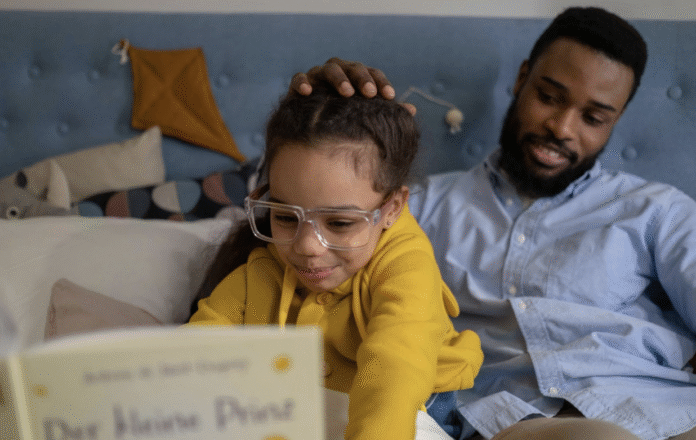
Utilizing age-appropriate language and resources can greatly aid in these conversations. Picture books on grief can provide gentle illustrations of loss that children can relate to while fostering dialogue between parent and child. Addressing these feelings openly allows children to develop a healthier perception of grief.
Using Resources Effectively
Dads should think about seeking external resources to support their discussions. Many organizations provide tools for parents, including books directed at children, grief counseling services, and facilitators trained in handling bereavement discussions. Dads can enhance their discussions and education by interacting with experts or reading relevant material.
Discussing the expectations surrounding funerals or memorials can prepare children for these experiences. Choosing a respectful atmosphere that takes into account the child’s age and comfort level is key. Selecting the right funeral home and cemetery is a part of this process, as it often plays a significant role in how families remember and celebrate their loved ones. Families may explain cultural or religious traditions in advance, helping children understand the meaning behind certain rituals.
Allowing children to participate in simple ways, such as placing flowers or drawing a picture, can provide comfort and a sense of involvement. Gentle conversations about grief can reassure them that their feelings are normal and shared by others. It’s important to remind children that attending is optional, giving them the choice to step away if they feel overwhelmed.
Setting a Comfortable Environment
Creating an atmosphere conducive to open dialogue is important. A relaxed setting, free from distractions, encourages children to express their thoughts and feelings. This could be during a quiet moment at home, or while engaging in an activity they enjoy, such as playing outside or baking together. By ensuring that the conversation takes place in a familiar environment, dads can help their children feel safe and secure.
Another helpful strategy is to use stories or analogies that resonate with the child’s experiences. Relating discussions of loss to a beloved pet or character from a story they enjoy can demystify the concept and foster understanding.
Discussing the Intellectual and Emotional Aspects of Death
When addressing loss, both intellectual and emotional facets deserve attention. Children may seek answers regarding death’s nature, asking questions about what happens after life. Providing honest, simple explanations can help satiate their curiosity without overwhelming them.
Incorporating emotional components involves allowing children to verbalize their feelings. Encouraging them to articulate their sadness, confusion, or anger creates a space for healing. Acknowledging their feelings legitimizes their experiences and fosters emotional intelligence in processing grief.
Encouraging Expression of Grief
Encouraging children to express their grief creatively can prove beneficial. Some children might find solace in drawing, writing letters to the deceased, or engaging in physical activities. These methods provide an outlet for their emotions, assisting in their healing journeys.
Fathers should demonstrate their grief as well, promoting an atmosphere of shared experience. Showing vulnerability helps children understand that it is okay to feel sad and to talk about it. Simply spending time with them while engaging in activities can strengthen the bond during this difficult time.
Understanding Grief Recovery
Recovering from grief is a process unique to each child. Understand that there’s no predetermined timeline; some children may move forward quickly, while others may take longer to navigate their feelings. It is vital to remain patient and provide continued support throughout this journey.
Regular check-ins can assist in recognizing shifts in behaviour or emotions, prompting closer discussions about their feelings as time progresses. Engaging them in conversation allows for the recognition of any unresolved grief they may face. Accepting that the journey may have ups and downs helps maintain a supportive environment.
Seeking Professional Help When Needed
If a child displays persistent signs of distress or struggles to cope with their grief, seeking professional assistance may become necessary. Therapists and counselors experienced in grief can equip children with tools to better manage their emotions. Connecting with professionals can relieve some pressure from the parent, allowing them to focus more on being a supportive figure.
Support groups can provide a safe place for children to connect with their peers who have faced similar experiences. Being surrounded by others who understand reduces feelings of isolation and offers empathy from others navigating similar pain.
Continuing Conversations about Life and Death
Conversations about loss should not be limited to specific events; rather, they can evolve. Ongoing discussions can encompass topics of memory, legacy, or the joy in shared moments. This approach demonstrates to children that the connections formed do not end with death.
Encouraging rituals, such as family gatherings or creating memory books, allows for the remembrance of the deceased while helping cultivate a positive outlook on life. Regularly revisiting these discussions can facilitate emotional growth and reinforce the family’s bond.
Discussing loss with children is a journey that requires patience, understanding, and honesty. As dads guide their children through these difficult conversations, creating an open environment fosters emotional intelligence and comfort. Through shared experiences, creativity, and connection, fathers can establish strong foundations for discussing complex topics like loss, equipping their children with the coping mechanisms necessary for future challenges.