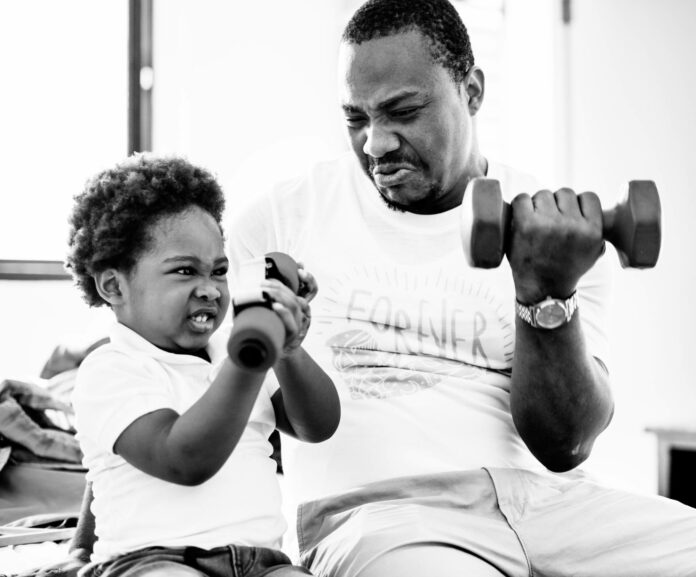

Being a dad often means juggling work, family responsibilities, and, if you’re lucky, the occasional workout. For fathers who prioritise fitness or engage in physically demanding work, muscle recovery is crucial, but rarely convenient. Time is a scarce resource, and between school drop-offs, conference calls, weekend sports matches, and endless household chores, it’s easy to neglect proper recovery routines.
Skipping recovery can lead to fatigue, tightness, poor performance, or even injury. It can affect your energy levels, mood, and ability to keep up with your kids. The good news? Recovery doesn’t have to be time-consuming. With smart strategies and efficient tools, you can keep your body in peak condition, without sacrificing your role as an engaged father.
The Importance of Prioritizing Recovery as a Dad
Recovery isn’t a luxury; it’s a necessary component of any healthy lifestyle. Muscle fibres break down during exercise and rebuild during rest, and without adequate recovery, that process becomes inefficient or even harmful. But for fathers who may not get eight hours of sleep or a full hour for post-workout cooldowns, skipping recovery often becomes the norm.
Neglecting recovery leads to more than sore muscles. It can reduce mobility, impair sleep, increase stress hormones like cortisol, and raise the risk of chronic injuries. Long-term overuse without proper rest may eventually lead to burnout or forced time off due to injury, something no active dad wants.
And yet, carving out even 15 minutes can be difficult. That’s where efficiency matters. Learning how to support your muscles in quick, consistent ways makes all the difference.
Leveraging Smart Recovery Tools
Technological advancements have made muscle recovery faster, more accessible, and less reliant on long sessions of foam rolling or deep stretching. Compact, easy-to-use tools allow you to speed up muscle repair without setting aside large blocks of time.
Among the most efficient options are percussive massage guns, compression sleeves, and portable infrared therapy units. These tools are designed for use in short bursts, perfect for a five-minute session before bed or during a quiet moment after work. Some of the best muscle recovery devices in Australia are built specifically with time-strapped individuals in mind. These devices deliver targeted relief, reduce soreness, and improve blood flow, all within a few minutes of use. For fathers who may be seated at a desk or behind the wheel for much of the day, they provide an easy way to counteract tension and prevent stiffness.
Quick Stretching Routines That Work
Dynamic warm-ups and static stretching are the backbone of flexibility and recovery. But they don’t have to involve a full yoga session. With the right stretches, you can reset your posture and relieve muscle tightness in just 5 to 10 minutes.
Key areas to focus on include the hamstrings, calves, hip flexors, lower back, chest, and shoulders if your workouts include weightlifting or running. A quick morning stretch routine can improve blood flow, while evening stretches help release tension from the day.
If you’re feeling rushed, focus on holding three stretches for 60 seconds each. Even that limited time helps with fascia release, joint alignment, and recovery. Consider pairing stretching with deep breathing to enhance relaxation and mental clarity, something every father can benefit from.
Nutrition That Speeds Up Recovery
What you eat plays a significant role in how quickly your body bounces back from activity. Protein repairs tissue, carbohydrates restore glycogen, and healthy fats combat inflammation. If you’re skipping meals or grabbing the first convenient option, your body may lack the fuel it needs to repair itself efficiently.
Meal prepping on weekends or batching high-protein snacks can save time and ensure your body is properly fuelled. Greek yoghurt, boiled eggs, protein shakes, and nuts are excellent grab-and-go choices. After workouts, aim for a 2:1 ratio of carbohydrates to protein to kickstart the recovery process.
Hydration matters. Dehydrated muscles are more prone to cramps and slower to heal. If plain water feels too boring, infuse it with citrus or cucumber for added flavour and electrolytes.
Sleep
You may not always get a full eight hours, but improving the quality of your sleep can be just as impactful as increasing the quantity. Sleep is when most muscle repair occurs. During deep sleep, growth hormone is released, helping tissue rebuild and inflammation subside.
Establishing a pre-sleep routine, such as putting your phone away an hour before bed, dimming lights, and practising relaxation techniques, can help your body shift into rest mode more easily. Even 6–7 hours of consistent, high-quality sleep can improve hormone balance, energy levels, and muscle repair.
If your sleep is fragmented due to a baby, toddler, or long shifts, try taking short naps during the day or investing in blackout curtains and white noise machines to improve rest when you can get it.
Cold and Heat Therapy on Your Schedule
Alternating between heat and cold therapy is one of the oldest and most effective recovery techniques, and one of the most adaptable to a busy lifestyle. A cold shower in the morning can reduce inflammation, while a hot bath at night can relax tight muscles and ease stress.
For targeted recovery, consider reusable cold packs, microwaveable heat pads, or even short ice baths in the tub for sore legs after long workouts. You don’t need a spa or an hour-long soak, just 10–15 minutes of targeted application can work wonders.
Fathers short on time can benefit from hot-cold contrast showers. Start with one minute of warm water, then 30 seconds of cold, alternating for five cycles. It’s invigorating, boosts circulation, and supports recovery without adding another appointment to your schedule.
Making Recovery a Family Activity
One of the best ways to fit recovery into your day is to include your family. Instead of seeing it as separate from your parenting duties, integrate it into family time. Do light stretching with your kids before bedtime or invite them to join you for a short yoga flow. Even five minutes of foam rolling while your child does homework nearby can reinforce good habits through example.
Younger children may find your tools interesting, so make it fun. Use a massage gun or stretching routine as a way to explain the importance of body awareness and self-care. You’ll model a healthy relationship with wellness while sneaking in your recovery time without needing to “escape” from your family.
Consistency Beats Intensity
The most important takeaway for fathers is that recovery doesn’t have to be perfect, it just has to be consistent. You don’t need a spa day or a 45-minute routine to feel results. Five to ten minutes of focused effort done regularly will yield far better results than a single hour-long session once a month.
Stack recovery habits onto your existing routines. Stretch for five minutes after brushing your teeth. Use a massage device while watching TV. Sip a protein shake while reading bedtime stories. These micro-habits build up to form a recovery strategy that doesn’t disrupt your lifestyle.
Managing Stress to Support Physical Recovery
While most muscle recovery conversations focus on nutrition, rest, and stretching, stress management is just as crucial. High stress levels, common among fathers balancing multiple roles, can elevate cortisol, a hormone that, when chronically elevated, suppresses muscle repair, increases inflammation, and interferes with sleep cycles. This combination slows the body’s ability to recover efficiently, even if other habits are in place.
Stress doesn’t always come from dramatic life changes; sometimes, it’s the build-up of daily pressure from work deadlines, lack of sleep, and family responsibilities. That’s why it’s important to develop strategies that help reset your nervous system and promote calm. Practices like deep breathing, mindfulness, or progressive muscle relaxation can be done in five-minute increments and deliver lasting results.
Carving out moments for quiet, even if it’s during a commute, before bed, or while doing chores, helps reduce mental load and improves how your body responds to physical strain. A healthy mind directly contributes to a healthy recovery process.
Creating a Weekly Recovery Schedule That Works
Without a plan, recovery is often the first thing to be skipped when life gets busy. That’s why creating a weekly schedule, even a flexible one, is key to building consistency. Just 15 to 20 minutes spread across a few days can significantly improve muscle resilience, joint mobility, and well-being, without disrupting your week.
Start by identifying natural breaks in your routine. Can you foam roll while watching the news? Stretch after a morning shower? Use a massage device during your lunch break? Assigning simple recovery activities to those windows turns intention into action. Rotate methods throughout the week, cold therapy on Mondays, stretching on Tuesdays, a massage session on Thursdays, to prevent boredom and maintain effectiveness.
It helps to treat recovery like any other fitness or family commitment: schedule it, protect it, and adapt it when needed. A consistent routine, even when short, delivers better results than sporadic, lengthy sessions that are hard to sustain.
Recovery is the unsung hero of performance, energy, and long-term wellness for fathers whose lives revolve around caring for others. By investing in smart, time-efficient strategies, you give yourself the physical and mental foundation to stay strong, present, and capable in all areas of life.
You don’t have to choose between being a great dad and taking care of your body. With a few key adjustments and tools, you can maintain both. Prioritising recovery isn’t selfish, it’s the smartest way to ensure you have the strength and stamina to support your family and yourself for years to come.