
Medical appointments often trigger sensory overwhelm and apprehension in young children, which prompts pediatric specialists and family physicians to encourage proactive, calming preparation routines at home. You can transform an intimidating environment into a manageable outing by talking about the trip ahead of time.
You protect your child by introducing medical tools and clinic routines through comfortable daily play. Building positive expectations early helps your boy or girl view clinical staff as friendly partners who protect their body.
Why Do Young Children Fear Medical Visits?
Sensory input inside an examination room quickly overpowers toddlers and preschoolers. Bright fluorescent overhead lighting, unfamiliar smells, and cold metal instruments startle kids who feel safe inside their quiet homes.
Your child views these foreign objects with natural caution because young minds do not understand clinical equipment. Even the crinkle of paper on the exam table can sound loud and threatening to little ears.
When a masked stranger reaches out to inspect their ears or touch their stomach, children naturally pull away. You steady their nerves by validating these initial worries, telling your little one that feeling hesitant makes sense while reassuring them of your constant presence.
How Do You Introduce Examination Tools at Home?
Gentle language shifts help demystify the strange tools your child encounters during a physical checkup. Guidance from Children’s Health of Orange County suggests trading frightening clinical terms for soft, playful comparisons that little minds grasp without panic.
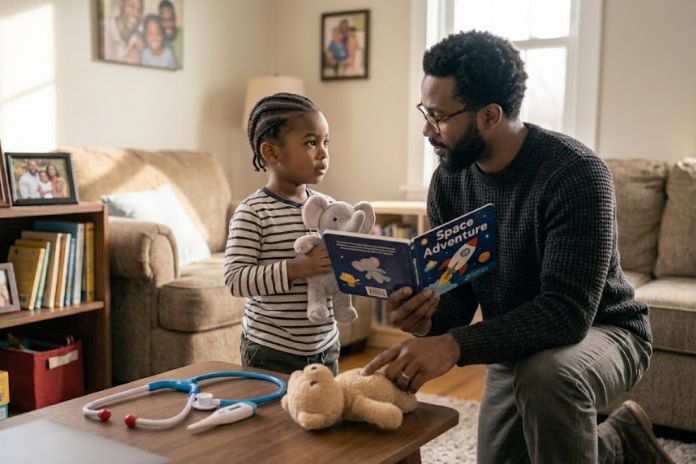
They recommend describing a blood pressure cuff as a friendly arm hug, which removes the scary thought of pain or squeezing. Toy medical kits give your child full ownership over the checkup process during normal afternoon play.
You can take turns listening to each other’s heartbeats or examining the ears of a favorite stuffed bear. This playful practice normalizes medical touch, proving that stethoscopes and tongue depressors do no harm.
Building Trust With Community Health Clinics
Finding a reliable medical home anchors your family routine and provides steady guidance as your kids grow. When you schedule regular wellness visits through blackfootmedicalcenter.com for ongoing pediatric care, your household benefits from a dedicated clinical team that knows your child well. Familiar faces turn sterile rooms into reassuring spaces where children feel protected.
Your child learns that doctors serve as helpful allies who monitor healthy milestones rather than strangers who cause pain. Consistency remains an effective tool for lowering clinical anxiety across early childhood.
Pediatric experts at HealthyChildren from the American Academy of Pediatrics explain that regular well-child visits establish deep trust among doctors, parents, and young patients. When children visit the same clinic during periods of sound health, they stop associating exam rooms with illness, needles, or distress.
How Can You Schedule Appointments for Maximum Cooperation?
Smart timing dictates how smoothly your clinic visit unfolds from start to finish. You want to reserve appointment slots during morning hours when your child wakes up refreshed and ready to explore.
Booking visits right after a balanced breakfast keeps blood sugar stable, giving little minds the patience they need for sensory challenges. Well-fed children display much higher tolerance when waiting in unfamiliar rooms. Protecting your toddler’s regular nap routine prevents emotional meltdowns inside the office.
Scheduling an exam during typical rest periods guarantees a tired, cranky patient who cannot process instructions calmly. Choosing calm morning slots keeps spirits high and gives your family plenty of room to navigate delays without panic.
Packing the Right Comfort Bag for the Waiting Area
Waiting rooms test the patience of any active preschooler. You can prevent restlessness by packing a simple activity bag filled with engaging items that occupy curious hands.
- Pack familiar books: A favorite storybook brings immediate comfort and distracts your child from unfamiliar clinical sounds.
- Bring soothing objects: A small blanket or cherished stuffed toy provides tactile reassurance when tension rises.
- Include mess-free crafts: A compact water-reveal coloring pad keeps little fingers busy without creating clutter in waiting chairs.
Supporting Your Child During the Physical Exam
Moving onto the examination table feels far less intimidating when you stay by your child’s side. You can hold your toddler in your lap during stethoscope checks so they feel your body heat and heartbeat.
Physical closeness calms nervous breathing and keeps your child steady as the physician begins basic screenings. Open dialogue among the physician, parent, and child creates a healthy foundation for ongoing medical care.
Doctors at the Cleveland Clinic observe that routine wellness examinations build open communication pathways regarding family health concerns. You strengthen this dynamic when you encourage your preschooler to answer simple questions about how their body feels, teaching them that doctors listen with care.
Early childhood wellness visits set the stage for lifelong preventive health confidence when parents and medical providers partner to create low-stress clinical experiences. Your calm preparation turns routine checkups into empowering milestones rather than frightening ordeals.
Taking small steps at home helps your child face exam rooms with curiosity and confidence. When you approach healthcare with warmth, patience, and clear guidance, you give your family the gift of lifelong well-being.