
Tell the Dear Fathers community more about who you are and what you do?
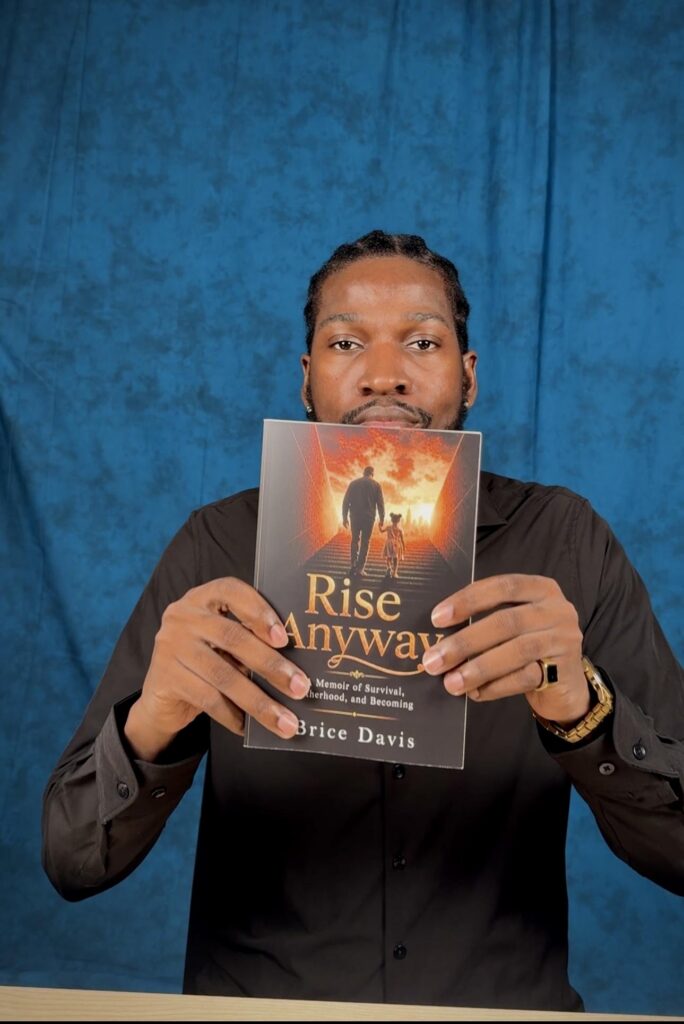
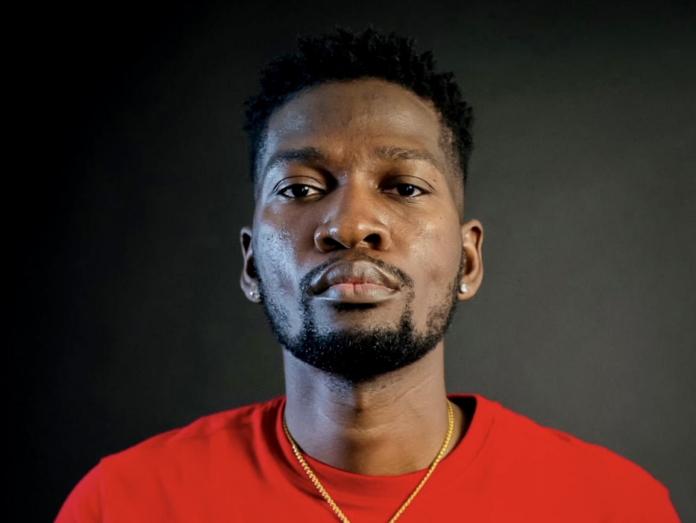
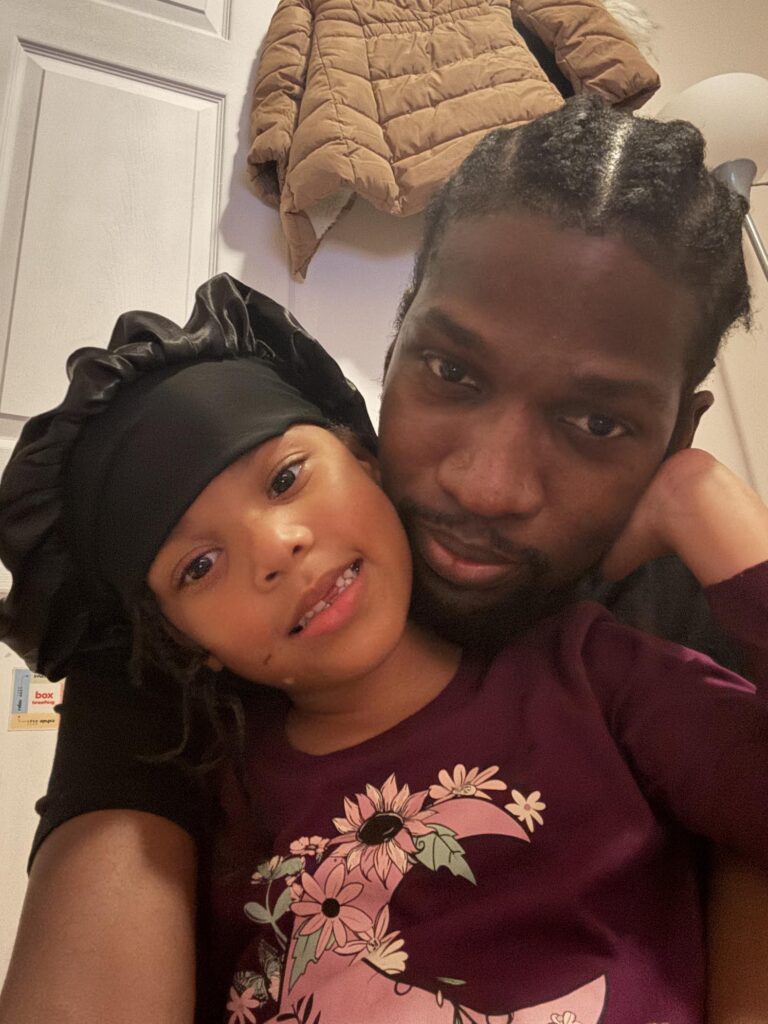
My name is Brice Davis. I’m 36 years old, born and raised in Xenia, Ohio. I’m a full-time father, author, and content creator. My daughter is six years old, and I’ve been raising her on my own for the past several years.
In 2021, I was diagnosed with multiple myeloma, a rare form of blood cancer. Since then, I’ve been through chemotherapy, blood transfusions, and a stem cell transplant. I’ve also dealt with anxiety and other personal challenges along the way.
I recently published my memoir, Rise Anyway: A Memoir of Survival, Fatherhood, and Becoming, where I share my experiences with cancer, mental health, and fatherhood.
These days, outside of raising my daughter, I enjoy creating content, sharing my story, and hopefully reaching people who can relate to some of the things I’ve been through.
You were diagnosed with multiple myeloma in your early 30s. How did that diagnosis change your perspective on fatherhood and what it means to be present for your child?
It changed my perspective quite a bit. My daughter was only a year old when I was diagnosed, so I was still adjusting to being a father myself.
I remember being so weak during treatment that something as simple as picking her up became difficult. That’s something I never would’ve imagined experiencing in my early 30s.
I think before cancer, I took certain things for granted, especially my health and the time I assumed I had ahead of me.
After being diagnosed, I started looking at fatherhood differently. I realized that just being able to wake up, spend time with my daughter, and watch her grow was something to appreciate.
I still have goals and things I want to accomplish, but being here for her is more important to me than anything else.
Facing Your Mortality: When you were navigating chemotherapy, blood transfusions, and a stem cell transplant, did you ever have moments when you questioned how much of your child’s life you would get to experience?
Absolutely. That was probably one of the hardest things for me mentally.
When you’re in your early 30s, the last thing you’re expecting is to be diagnosed with cancer. I had to start thinking about the possibility that I might not live as long as I always assumed I would.
And having a young daughter made those thoughts even harder.
I would think about whether I’d get to see her graduate, become an adult, or experience different milestones in her life.
I think the thought of not being here for my daughter bothered me even more than the possibility of dying itself.
Even now, I try not to spend too much time worrying about things I can’t control, but I’d be lying if I said those thoughts never crossed my mind.
How did you balance the physical and emotional demands of treatment with the everyday responsibilities of being a father?
It was difficult, and there were times when I couldn’t do everything I wanted to do.
Between the treatments, fatigue, and everything I was dealing with mentally, I had to accept that I had limitations.
As a father, that’s not an easy thing to accept because you naturally want to be able to do everything for your child.
There were days when I didn’t have much energy, and even basic responsibilities could feel overwhelming.
I had to learn that I couldn’t push myself beyond what my body was capable of doing.
I think one of the hardest parts was trying not to feel guilty about the things I couldn’t do. Eventually, I had to understand that taking care of my own health was also part of taking care of my daughter.
As fathers, we often feel pressure to remain strong for our families. How did you manage anxiety and fear while allowing yourself to be vulnerable?
I’ve dealt with anxiety and panic attacks long before my cancer diagnosis, so mental health has always been a big part of my life.
Cancer definitely made things harder because now I had something serious happening with my physical health on top of the things I was already struggling with mentally.
I’m naturally somebody who thinks a lot, sometimes more than I probably should. So you can imagine how difficult it was dealing with all that uncertainty.
I think a lot of men feel like we’re supposed to keep everything together, especially when we have kids depending on us.
But I’ve learned that being afraid or struggling emotionally doesn’t mean you’re weak.
I still have moments when anxiety gets the best of me. I don’t have everything figured out, and I’m okay admitting that.
Did your experience with cancer change your definition of what it means to be a strong man and a good father?
Definitely. I think before going through everything, I had a different idea of what strength looked like.
When you’re healthy, it’s easy to think being strong means being independent, handling your responsibilities, and not having to depend on anybody.
But cancer can put you in situations where you don’t have much control over what’s happening.
There were times when I was physically weak and mentally exhausted, but I still had responsibilities and people I cared about.
I learned that being strong doesn’t necessarily mean you can handle everything on your own.
And when it comes to fatherhood, I don’t think being a good father means being perfect. I make mistakes, I get frustrated, and I have bad days just like everybody else.
What matters to me is that I continue trying to be the best father I can be.
How did you approach conversations with your child about your illness, and how did you navigate being honest without creating unnecessary fear?
My daughter was only a year old when I was diagnosed, so obviously she was too young to understand what was happening.
But as she’s gotten older, I’ve had to think more about how I would eventually explain everything to her.
I’ve had quite a few people approach me in public over the years because they know about my cancer diagnosis or have heard my story. So I knew it was only a matter of time before she started putting things together herself.
Recently, I actually sat down and told her directly about my cancer. She’s six now, so I kept the explanation simple and reassured her that it wasn’t something she needed to worry about.
I also took her to Light the Night, which is an event that raises awareness about blood cancer.
I don’t want to hide things from her, but at the same time, she’s still a child. I want her to understand what I’ve been through without feeling scared or constantly worrying about my health.
What has this journey taught you about the importance of being intentional with your time, your relationships, and the memories you create with your child?
I think the biggest thing I’ve learned is that time isn’t guaranteed.
Before cancer, I never really thought about how quickly life could change. Now I understand that tomorrow isn’t promised to any of us.
I’m somebody who likes to stay busy. Between creating content, promoting my book, and everything else I have going on, I can get so caught up in trying to accomplish things that I sometimes forget to slow down.
And that’s something I’m still working on.
My daughter is already six years old, and sometimes it feels like she was just a baby yesterday.
I don’t want to look back years from now and realize I was so focused on working and trying to get ahead that I missed out on spending quality time with her.
Your memoir is titled Rise Anyway. What did rising anyway look like on the days when you felt physically exhausted, mentally overwhelmed, or uncertain about the future?
Some days, rising anyway meant just getting through the day.
I think people sometimes hear stories about overcoming adversity and assume the person was strong or motivated the entire time.
That wasn’t my experience.
There were plenty of days when I felt discouraged, anxious, or physically exhausted. Sometimes I didn’t feel like doing much of anything.
But I still had responsibilities. I was still a father, and life wasn’t going to stop because I was having a difficult time.
That’s really where the meaning behind Rise Anyway comes from.
It’s not about always being positive or pretending things don’t bother you. For me, it’s about continuing to move forward even when things aren’t going the way you hoped.
And sometimes that means taking things one day at a time.
What inspired you to write Rise Anyway: A Memoir of Survival, Fatherhood, and Becoming, and what do you hope other fathers take away from your story?
I wanted to share my story because I knew there were other people dealing with similar situations who might feel like nobody understood what they were going through.
When I was diagnosed with multiple myeloma, I was only 31 years old. Most of the people I came across with the disease were considerably older than me.
On top of that, I was dealing with anxiety, becoming a father, and trying to figure out how to move forward with my life.
Writing the book gave me an opportunity to talk about things I normally wouldn’t have shared publicly.
I also wanted people to understand that cancer affects much more than your physical health. It can affect your relationships, your confidence, your mental health, and the way you look at life.
As far as other fathers, I hope they walk away understanding that they aren’t alone in whatever they’re dealing with.
You don’t have to have a perfect life or have everything figured out to be a good father.
Having faced a life-threatening illness at such a young age, what do you want your child to understand about resilience, courage, love, and the kind of man you strive to be?
I want my daughter to know that her father did the best he could with the circumstances he was given.
I’m not perfect, and there are things I wish I could do differently. But one thing I never want her to question is how much I love her.
I also want her to understand that life isn’t always going to be easy.
There are going to be situations she can’t control, people who disappoint her, and times when things don’t work out the way she hoped.
I want her to know that it’s okay to be upset, it’s okay to be afraid, and it’s okay to ask for help.
More than anything, I want to set an example for her through the way I live, not just through the things I tell her.
I hope when she’s older, she’ll be able to look back and appreciate the effort I put into being her father.
If you could speak directly to a father who is facing a serious illness while trying to remain strong for his family, what would you tell him about being present, asking for help, and giving himself permission to struggle?
I would tell him not to be so hard on himself.
I know how easy it is to feel like you’re not doing enough, especially when you’re dealing with health problems that prevent you from doing things you normally would.
But you have to remember that you’re human.
It’s okay to have bad days. It’s okay to be afraid, and there’s nothing wrong with asking somebody for help when you need it.
I would also encourage him to take care of his mental health because dealing with a serious illness can affect you in ways people around you might not always understand.
And most importantly, don’t spend so much time worrying about being the perfect father that you overlook the things you’re already doing right.
Your kids don’t need you to be perfect. They need to know you love them and that you’re doing the best you can.