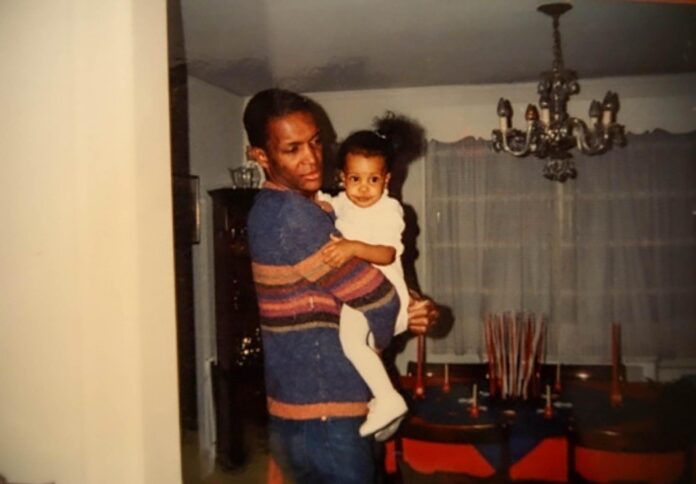

Growing Up Without Answers: For much of your childhood, you were told your father wanted nothing to do with you. What made you question that narrative when everyone else seemed to accept it?
My mother told us our father wanted nothing to do with us and told our family and friends how violent and dangerous he was. However, her new husband (whom she originally had an affair with) was extremely violent towards us. As a child, I found it odd that she took us away from someone who she claimed was so violent and then moved us to live with someone who was actually violent. It didn’t make much sense. I also remember my father as a soft spoken, gentle 6′ 4″ giant who truly loved his kids and the narrative she was pushing just didn’t add up. My siblings however followed whatever my mother said but I’ve always been an independent thinker.
The Impact of Family Separation: You attended seven different schools and lived in eight different homes. How did the constant moving and instability shape your sense of identity, security, and belonging as a child?
I actually think this made me more independent. I was able to adapt and learned pretty young wherever we were, we weren’t going to be there for long. It would happen so quickly, sometimes in the middle of a school year and you just had to accept losing your friends and having to make new ones. As an adult who’s a travel photographer and photojournalist I do feel as though that upbringing has made it much easier for me to navigate the world alone. I’m very secure with who I am and there’s no new environment that makes me uncomfortable.
The Deadbeat Dad Label: Your story challenges the assumption that an absent father is always a father who chose to leave. What do you want people to understand about the danger of labeling Black fathers without knowing the full story?
We as a society always favor the words of women. While some stats show that men may be more dangerous or abandon their children, we never get the full story considering so many men are ignored when coming forward with the same complaints against women. Oftentimes, men are indeed the victim in marital disputes and the court system tends to favor the mother. While 200,000 children are a victim of parental abduction each year, research from the National Surveys of Children Exposed to Violence shows that mothers and female family members account for roughly 60% of family abductions/kidnappings, while fathers and male relatives account for about 40%. The narrative of the deadbeat dad needs to change!
When a Parent Controls the Narrative: How did discovering the truth about your mother’s actions change your understanding of your childhood and the relationship you thought you had with your father?
I can honestly say I never really trusted my mother, even as a young child. I was six in the first grade when I suggested she put me up for adoption. I was well aware that we were pawns for her to get money out of her mother and aunts. I accepted that my father was gone and was more focused on surviving the wrath of my stepfather than worrying about my father’s whereabouts. My mother’s actions towards others is what made me realize that she probably mistreated my father as well. A lot of parents underestimate how much their children observe.
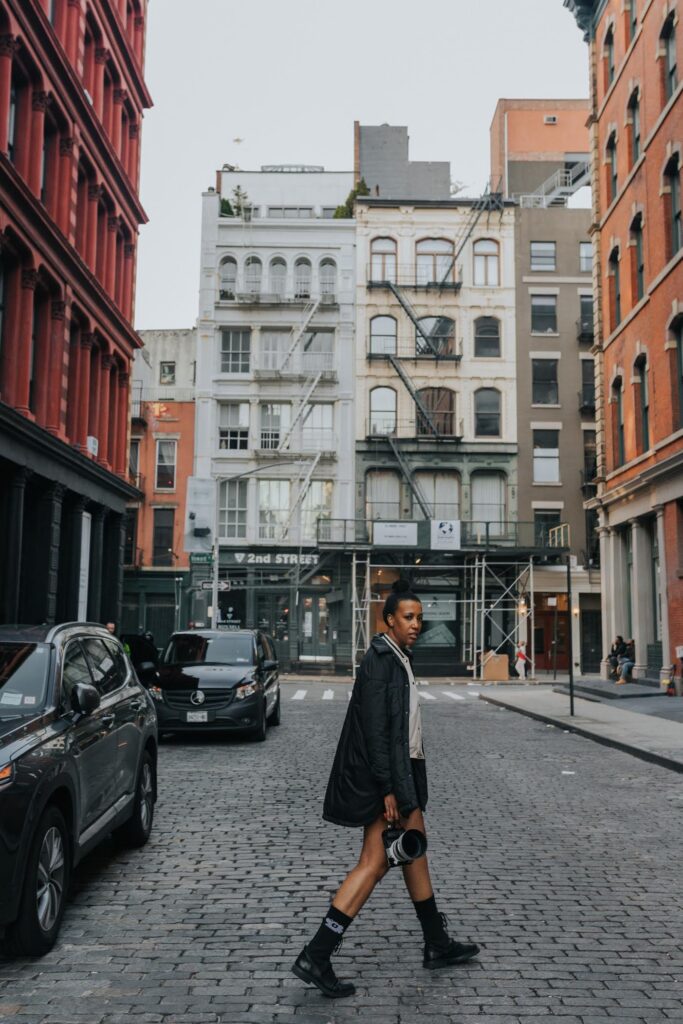
The Moment Everything Changed: In 2021, you unexpectedly encountered your aunt in New Orleans and uncovered the truth about your father. What went through your mind when you realized the separation may never have been your father’s choice?
I had a talk with my brother 10 years prior about the possibility of us being taken but he insisted that couldn’t be possible… that my mother would never do that and our dad’s family wanted nothing to do with us. I wasn’t so convinced even back then. Meeting my dad’s sister just confirmed what I already thought. It was shocking to meet her in that way but what I learned wasn’t that shocking. It all made sense.
Reconnecting After 30 Years: When you finally reunited with your father after three decades apart, what was that first meeting like, and how did you begin rebuilding a relationship with someone you had been led to believe abandoned you?
My grandfather recently passed away and I went to his funeral in New Orleans. After the success of the podcasts I spoke on I had so many people coming up to me talking about the podcasts, some of whom knew my father. I received several tips that my father was in NY and when I returned back to the city I spent day and night trying to track him down. I unfortunately found his docket number online and saw he has been held at Rikers Island for over three years for allegedly stealing a cell phone. Yes, a phone. Similar to the Kalief Browder case, because he didn’t have the resources or support, he’s been stuck in the system for years without even having a trial date. I was able to find his next hearing for his lawyer but when running through the Manhattan Supreme Court in tears I was told he was not present and was still at Rikers. Two days later I made the horrific trip to Rikers Island, went through three hours of security and searching and saw my 6′ 4″ gentle giant of a father walk through the doors. He was STUNNED. All I could say was “Remember me?”. “ARIA?!” was his response. I can’t imagine the shock and pain he felt seeing his 5 year old daughter now nearly 6ft tall standing in front of him, at Rikers Island of all places. He hadn’t had one visitor in three years and figured everyone forgot about him. He said to me “What are you doing here?” and my response was “I came to get you Daddy.” You could visibly see the relief in his face but also the heartache. He also is unaware of his father’s passing which I will have to tell him about soon. Since then I have spent every night and day doing everything possible to get him out, even getting his story all the way up to Mayor Mamdani’s office who has not issued an Emergency Wellness Check for my father. Rikers makes $500k on him per year being trapped in the system. Unfortunately there is no process of building a relationship other than through phone conversations and painful monitored visits. Right now my brain is in survival mode and solely focused on getting him out.
The Cost of Parental Alienation: Your experience involved alleged abuse, repeated relocations, and years of separation from your father’s side of the family. What emotional and developmental consequences do you believe children face when they are caught in the middle of parental conflict?
I believe every child suffers from different consequences of that separation. For some, they repeat the behavior of the toxic parent which I’ve seen with some of my siblings. For others, they internalize the pain or suppress it because the reality is too much to deal with. This often results in different forms of self harm. Others retaliate, leading them down the wrong path and looking for a sense of home in the wrong place like a gang. I was lucky and got out early and I think leaving home so early saved my life. I knew I wanted more for myself and I knew if I stayed in that environment I too would end up like my siblings. For me, my biggest flaw and greatest strength is my independence. I started working for Jay Z when I was 20, Versace when I was 23 and started my own business at 25. I’ve created a great life for myself and family has always been something that has brought substantial pain and stress. I enjoy my peace and my life alone.
A Story Bigger Than Your Own: Your podcast appearances have reached millions of viewers and even helped uncover distant relatives. What have you learned about how common family abduction and hidden family histories may be, and what conversations should families and communities be having about these issues?
A lot of people don’t realize that family abduction is a crime. Reading through the comments on some of the clips of these interviews on social media, I’ve seen quite a few people (all women) saying a woman is allowed to take their child. That’s just simply false. Even if you have full custody, you must get permission from a judge to relocate your child. This is simply a topic people don’t know much about and there are millions of children who are actively going through it. A lot of red flags were missed, moreso by the schools we attended. No one ever asked why we moved so much. The times the police came to our home, those records should’ve been shared with the schools and that information should’ve followed us district to district. It was quite obvious we were kidnapped but no one ever caught on to it. This was in the early 90s so perhaps it’s different now.
The Search for Your Father: Following your grandfather’s passing, new family connections intensified your search and led you somewhere you never expected. What kept you going through the uncertainty, and what did this journey teach you about persistence, family legacy, and the truth?
I feel as though the heartache of losing four kids was too much for my father to bear. He never got remarried or moved on. He simply gave up on himself, but I never gave up on my father. While I’ve met new family members, they are all strangers. After no longer communicating with my mother my siblings have cut me off as well, and while I enjoy my life alone, I would still always wonder where he was. I followed in my father’s footsteps as an artist. He was a hat designer and created pieces for Michael Jackson, Luther Vandross, Stevie Wonder and others. Bergdorf Goodman even sold his hats back in the day. I knew my creativity and entrepreneurship came from somewhere. While my childhood memories of him are limited, I knew he loved us and that was enough for me to not give up.
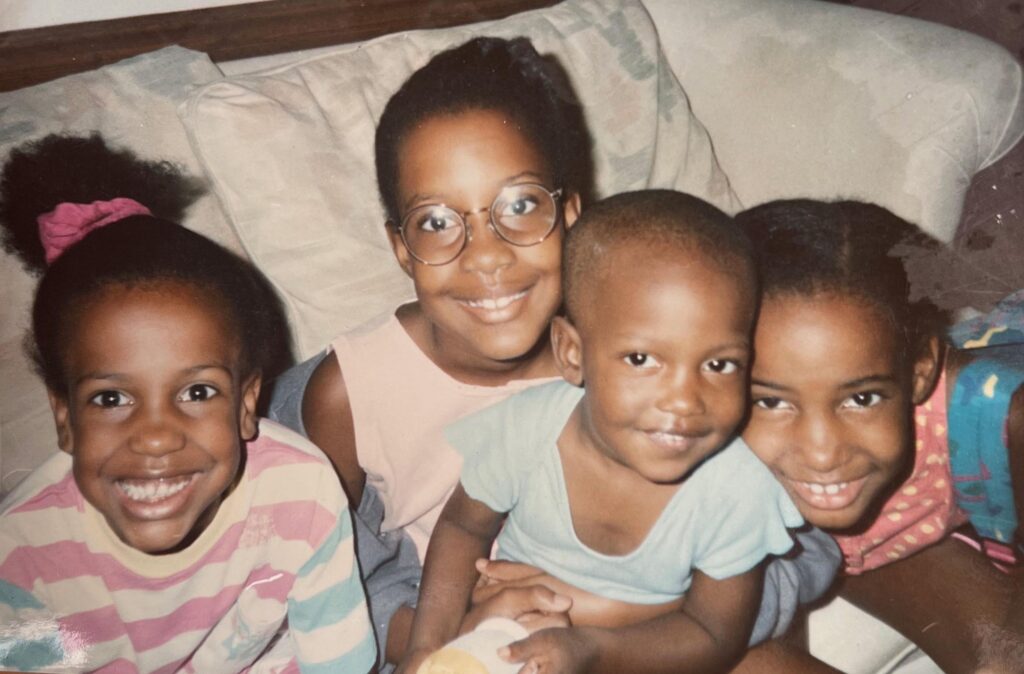
The Outcome You Haven’t Shared: You mentioned that there is an important part of your search and its outcome that you have not yet shared publicly. Without revealing anything you are not ready to discuss, what do you hope people take away from your story about fatherhood, accountability, and a child’s right to know both sides of their family?
We as a society tend to view the “single mother” as the victim but it’s important to realize that some mothers are in that position by choice and there are thousands of fathers ignored by the court system who never get the opportunity to build that relationship with their child. It is damaging to all parties involved. The phrase “believe women” is dangerous because women are just as harmful as men. It’s essential to hear from both sides before casting judgment. And it is essential for the court system to start treating men and women equally. There are countless kids who have suffered because of it.