
Being a father means constantly giving. You pour out your time, energy, patience, and focus. From packing lunches to helping with homework, coaching a team to fixing a broken toy, your resources are always in demand. But to keep giving your best, you need to refill your own tank. This isn’t selfish; it’s about being able to keep going. Building small, consistent self-care rituals into your life is one of the most powerful things you can do for yourself and your family.
Why Dads Need Self-Care Rituals
The idea that dads must be tireless providers and protectors often leaves little room for personal well-being. This pressure can easily lead to burnout, that feeling of being emotionally, physically, and mentally exhausted. When you’re running on empty, it’s much harder to be the patient, present, and engaged father you want to be. Self-care acts as a necessary balance to all the energy fatherhood demands.
Thinking about why every dad needs a self-care routine is the first step. It’s not an indulgence or a luxury; it’s a fundamental practice for staying healthy. Just like a car needs regular maintenance to run smoothly, you need regular moments to recharge to function at your best. These rituals break the cycle of stress and let your nervous system reset. They give you a structured way to step back from your responsibilities, even for a short time, so you can return with renewed energy and a clearer perspective.
Creating Your Own Recharge Zone
A recharge zone doesn’t have to be a whole room or an expensive setup. It’s simply any space or time you intentionally set aside for your own peace and restoration. The key is to create a boundary around it, making it clear to yourself and your family that this is your time to decompress. This helps establish essential dad self-care habits that go beyond just retreating to a man cave.
Your recharge zone could be:
- A specific chair: That corner armchair where you get 20 minutes to read a book or listen to a podcast without interruption.
- The garage or shed: A place to tinker with a hobby, whether it’s woodworking, fixing a bike, or organizing your tools. Working with your hands can be incredibly calming.
- A walking route: A designated path around your neighborhood that you walk alone every morning or evening to clear your head.
- A digital space: A good pair of headphones can instantly create a recharge zone anywhere, letting you get lost in an album, an audiobook, or a guided meditation.
The goal is to find something that is just yours. It’s a physical or temporary anchor for your well-being, a place you can mentally retreat to even when you can’t physically get away. It signals to your brain that it’s time to switch off from dad mode and focus inward.
The Art of a Professional Shave
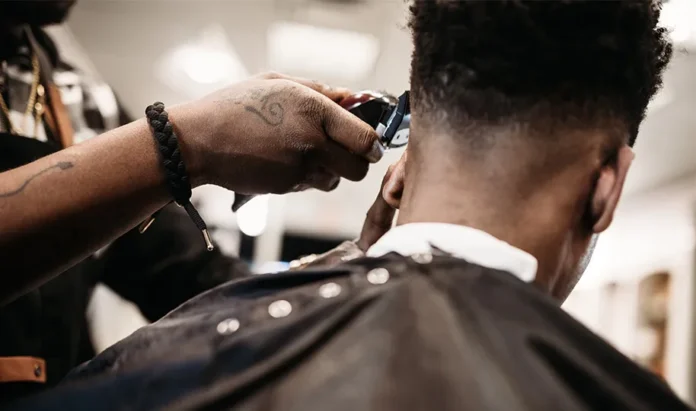
Some of the most effective self-care rituals connect you to a sense of tradition and craftsmanship. A professional shave is a perfect example. It’s more than just grooming; it’s a multi-sensory experience that makes you slow down and be present. The ritual of the hot towel, the rich lather, the precision of the blade, and the cool finish of the aftershave is a powerful way to reset your mindset.
Choosing an experienced grooming destination such as 1924 Fine Men’s Salon can make the experience feel even more intentional, combining traditional grooming with the chance to step away from the usual rush of the day. This isn’t something you rush. It’s an appointment with yourself. For 30 to 45 minutes, you are the one being taken care of. There are no demands on your attention other than to sit back and relax. It’s a moment of quiet dignity that leaves you feeling not just clean and sharp, but also profoundly calm and centered. Incorporating a ritual like this once a month can be a transformative anchor in your self-care practice, giving you a renewed sense of confidence that lasts long after you leave the chair.
Beyond Relaxation: The Long-Term Benefits
The immediate feeling of calm after a self-care ritual is great, but its true power lies in the long-term benefits that ripple through your life. Consistent self-care is a proactive strategy for managing mental health. By regularly doing activities that reduce stress, you build resilience against anxiety and depression. These intentional self-care practices are an investment in your long-term emotional stability.
Perhaps most importantly, prioritizing your own well-being sets a powerful example for your children. When your kids see you taking time to read, exercise, or simply be quiet, you are teaching them that it is healthy and necessary to care for oneself. You are modeling that strength isn’t about being invincible; it’s about knowing when you need to recharge. This lesson is one of the most valuable you can pass on. A father who takes care of himself is better equipped to be a patient partner, a more engaged parent, and a more present force in his family’s life.
Making Time for Yourself
The most common barrier to self-care is feeling like there simply isn’t enough time. Between work, family obligations, and managing a household, finding a spare moment can feel impossible. However, the solution isn’t about “finding” time; it’s about “making” time. This requires a shift in mindset, viewing self-care as a non-negotiable appointment with yourself.
To integrate these habits, start by putting it on the calendar. Schedule 30 minutes for yourself just as you would a meeting or a doctor’s appointment. This act of scheduling legitimizes the time and makes you more likely to stick with it.
Communicate with your partner. Explain that you need this time to recharge so you can be a better father and partner, and work together to ensure you both get the breaks you need. Start small. You don’t need to block out an entire afternoon. Even 15 minutes of focused solitude can make a significant difference. Let go of the guilt. Taking time for yourself doesn’t take anything away from your family. On the contrary, it gives them a father who is more resilient, patient, and present.
Building a self-care ritual is an act of strength. It’s a declaration that your well-being matters, not just for you, but for everyone who depends on you. Start small, stay consistent, and give yourself the gift of a full cup.