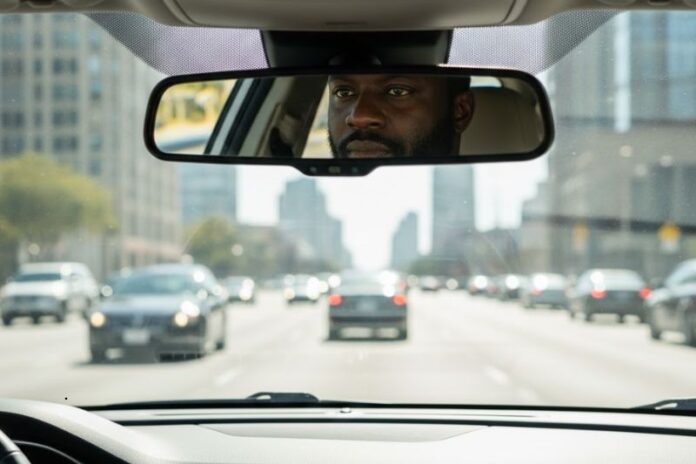

As a father, your family’s safety is always on your mind. This need to protect doesn’t stop when everyone buckles into the car. Every trip, whether it’s to school or across the country, involves a lot of responsibility. This guide offers practical advice for dads on how to champion road safety, from setting a good example to knowing what to do when things go wrong.
Leading by Example on the Road
Your kids are always watching, especially in the car. They pick up on your habits, your reactions, and your attitude behind the wheel. If you act like speeding, tailgating, or checking your phone are normal driving behaviors, they will too. The strongest safety lesson you can teach is to show it yourself.
This means putting your phone on silent and out of reach before you even start the engine. It means driving defensively, leaving plenty of space between you and the car ahead, and respecting speed limits. It also means managing your frustration. When another driver makes a mistake, showing patience instead of anger teaches your children emotional control, which is a key skill for their own future driving. Consistently practicing safe driving habits sets a standard they will carry with them for life.
Vehicle Maintenance for Family Safety
A safe driver needs a safe vehicle. Regular maintenance isn’t just about avoiding a breakdown; it’s a basic part of keeping your family safe on the road. You don’t need to be a master mechanic, but you do need to be proactive.
Create a simple routine for checking the basics:
- Check tire pressure regularly and inspect the tread for wear. A tire blowout is dangerous and can often be prevented.
- Keep an eye on oil and coolant levels.
- Pay attention to any squealing or grinding sounds from your brakes and get them checked right away.
- Periodically walk around your car to make sure all headlights, taillights, and turn signals are working.
Treating your vehicle’s health as a must-do task ensures your family is protected by a car that’s as reliable as its driver.
Understanding Accident Protocols
No one wants to think about being in a crash, but knowing the right steps is crucial for protecting your family if it happens. In the stressful moments after a collision, a clear plan helps you stay in control. Your first priority is always safety. Check everyone for injuries and call 911 immediately if anyone is hurt. If it’s possible and safe, move your vehicle out of traffic to prevent more incidents.
Once everyone is safe, you need to document the situation. Exchange contact and insurance information with the other driver. Use your phone to take pictures of the vehicles, the license plates, and the surrounding scene. If there’s a dispute over who’s at fault or if injuries are involved, the information you gather is vital. In complex situations, you might need to consult a car accident lawyer to understand your rights and handle the claims process effectively.
Teaching Teen Drivers Responsibility
Handing the keys to your teen is a big moment for both of you. While driving school covers the technical rules of the road, your job is to teach them responsibility and good judgment. This conversation starts long before they get their license. Use your time together in the car to talk through different driving scenarios and explain your decisions.
When they start driving, set clear and firm rules. These should include strict limits on phone use, the number of passengers they can have, and curfews. Emphasize that driving is a privilege that comes with accountability. It’s also helpful to use structured resources like a family highway safety guide to make sure you cover everything, from distracted driving to handling bad weather conditions.
Family Preparedness After a Crash
The impact of a car accident can last long after you’ve left the scene. Being ready for what comes next is just as important as knowing what to do during the event. For children, a crash can be a terrifying experience. It’s important to talk to them afterward, reassure them, and watch for any signs of anxiety or fear about being in a car.
On the practical side, have a dedicated folder for your vehicle registration and insurance card so it’s easy to find. It’s also smart to keep an emergency kit in your car with a first-aid kit, water, blankets, and a flashlight. Dealing with insurance companies and repair shops can be a hassle, but having your documents organized makes the process smoother and lets you focus on your family’s well-being.
Road safety is an ongoing commitment. It’s built on the small, consistent choices you make every day to protect the people who matter most.