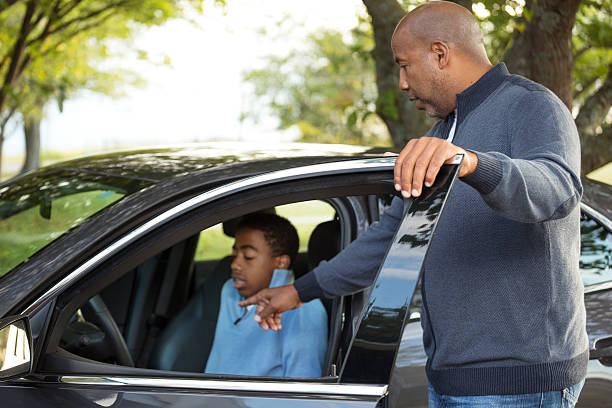

That moment is a mix of pride and pure terror, isn’t it? One day you’re teaching them to ride a bike, and the next they’re asking for the car keys. Guiding your teen toward driving independence is one of those big fatherhood milestones. More than just passing a test, it’s about entrusting them with a huge responsibility and teaching them the skills to handle it safely. This process is a partnership, and your role as a father is to be their best co-pilot, offering guidance, support, and a steady hand as they get behind the wheel. By fostering open communication and setting clear expectations, you can help your teen navigate the complexities of the road, building confidence and good habits that align with expert driving recommendations.
It’s your job to prepare them not just for the road test, but for the realities of the road itself. Let’s walk through how you can help them become a confident, safe, and responsible driver.
Starting the Driving Conversation
The conversation about driving should start long before your teen is old enough for a learner’s permit. This isn’t a one-time lecture but an ongoing chat about what driving really means. It’s a chance to frame driving not just as new freedom, but as a serious responsibility. Start by talking about the “why.” Why do they want to drive? Is it for a part-time job, to help with family errands, or to hang out with friends? Understanding their motivation helps you set the right tone.
This is also the time to establish ground rules and expectations. A written parent-teen driving agreement can be a powerful tool. It lays out clear rules for things like:
- Phone Use: A zero-tolerance policy for texting or calling while driving.
- Passengers: Limits on how many friends can be in the car, especially when they’re new drivers.
- Curfew: Clear times when the car needs to be home.
- Responsibilities: Who pays for gas, and what happens if a rule is broken?
Most importantly, this conversation starts with you. Kids absorb our habits, good and bad. If you text at a red light or tend to speed, they notice. Being a role model for teen safe driving means demonstrating the behaviour you want to see in them every time you get behind the wheel. It’s also a good time to discuss the serious consequences of impaired driving and the importance of always having a plan to get home safely. This reinforces the values of responsibility and looking out for others, a message that is also important to remember when preparing for your G1 exam site.
Understanding the Licensing Process
Navigating the licensing system can feel a bit complicated, but it’s designed with safety in mind. Most provinces in Canada use a Graduated Driver Licensing (GDL) program. This system introduces new drivers to the road in stages, allowing them to build skills and experience in lower-risk settings before earning full driving privileges. While the names for each stage might differ slightly by province, the structure is generally the same.
Let’s use Ontario’s popular model as an example:
- G1 Licence (Learner’s Permit): This is the first step. Your teen needs to pass a written knowledge test about the rules of the road and traffic signs. With a G1, they can only drive with a fully licensed driver who has at least four years of experience. There are other major restrictions, like a zero blood-alcohol level and prohibitions on driving on major highways or late at night.
- G2 Licence (Intermediate Licence): After holding a G1 for a period (typically 8-12 months), your teen can take their first road test. If they pass, they get their G2. This allows them to drive independently but still with some restrictions, such as zero blood alcohol and, for the first six months, limits on the number of teen passengers they can have at night.
- Full G Licence (Full Licence): After about a year with a G2, they can take a second, more advanced road test that includes highway driving. Passing this test grants them a full G licence with no restrictions.
Understanding these stages helps you support your teen appropriately. Each phase is an opportunity to teach and reinforce good habits. Knowing the specific restrictions for each level is crucial for ensuring they, and you, are following the law. You can find detailed information on the specific GDL program in your province on your local government’s transportation website. These programs are proven to reduce collisions among teen and novice drivers by slowly introducing them to more complex driving situations.
Preparing for the Knowledge Test Together
The first major hurdle for your teen is the written knowledge test. This isn’t just about memorizing signs; it’s about understanding the fundamental rules that keep everyone on the road safe. Turning this preparation into a team effort can make a huge difference and is a great way to connect with your teen. Start by getting a copy of the official driver’s handbook from your provincial ministry of transportation. Don’t just hand it to them; read through some of the trickier sections together.
Discuss scenarios and ask them “what if” questions. For example, “What do you do if you approach an intersection and the traffic lights are out?” or “Who has the right-of-way at a four-way stop when two cars arrive at the same time?” These discussions make the rules more concrete than just words on a page.
To really test their knowledge and build their confidence, practice tests are invaluable. You can sit with them as they take a practice quiz, turning it into a friendly competition or simply a way to talk through any questions they get wrong. This shared effort shows them you’re invested in their success and takes some of the pressure off. It transforms studying from a chore into a shared goal.
Beyond the G1: Road Practice Tips
Once your teen has their learner’s permit, the real work begins. This is where your role as a calm and patient co-pilot is most important. Your goal is to create a positive and low-stress learning environment. Remember what it felt like the first time you were behind the wheel: a mix of excitement and nerves. Your calm demeanour will help them stay focused.
Here are some practical tips to teach your teen to drive effectively.
- Start in a Safe Space: An empty parking lot on a weekend morning is the perfect place to begin. Let them get a feel for the car, how to accelerate smoothly, how to brake without jerking, and how to turn. Practice parking in empty stalls until they feel comfortable.
- Move to Quiet Streets: Once they’ve mastered the basics, graduate to quiet, low-traffic residential streets. Here, you can practice right and left turns, navigating intersections with stop signs, and observing speed limits.
- Commentate Your Own Driving: When you’re driving, talk through your actions out loud. Say things like, “Okay, I’m checking my mirror and blind spot before I change lanes,” or “That car ahead is braking, so I’m going to ease off the gas to keep a safe following distance.” This provides a real-time lesson.
- Practice Specific Maneuvers: Dedicate sessions to specific skills. Spend one session just on parallel parking. Spend another on three-point turns. Repetition is key to building muscle memory and confidence.
- Introduce Different Conditions Gradually: Once they are comfortable in clear weather, go out for a short drive in the rain so they can feel how the car handles differently. Then, try driving at dusk and eventually at night. Hold off on major highways and heavy traffic until they have logged many hours and show consistent control and good judgment.
Teaching your teen to drive is a marathon, not a sprint. It requires patience, communication, and a lot of practice. But by being an engaged and supportive teacher, you’re not just helping them pass a test; you’re giving them the foundation for a lifetime of safe driving. And that’s a legacy worth building.