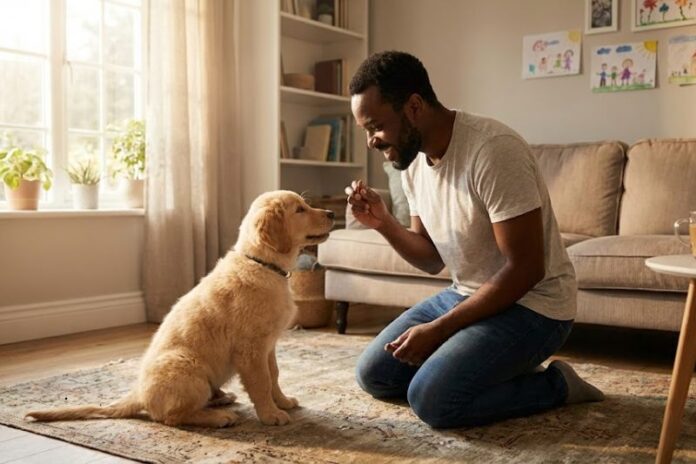

Dogs bring joy, companionship, and endless love into our lives. Welcoming a dog into your home is both rewarding and challenging. As a first-time dog owner, understanding your new furry friend’s needs can significantly ease the transition.
From choosing the right breed to establishing a consistent routine, there are several crucial points to consider. This guide aims to equip novice dog parents with tips and insights to ensure a fulfilling experience for both you and your new pet.
Choosing the Right Dog for Your Lifestyle
Selecting a dog breed compatible with your lifestyle is a vital first step. Consider factors such as your living situation, daily schedule, and activity level. Some breeds are more energetic and require extensive exercise, while others are content with short walks and cozy naps.
Active breeds like Border Collies or Labrador Retrievers thrive in homes with ample outdoor space and time for play. Smaller breeds like French Bulldogs or Shih Tzus adapt well to apartment living and shorter walks. Researching different breeds can help you understand their temperamental traits as well.
If you have young children or other pets, it’s key to choose a breed known for its friendly disposition and social nature. Adopting from a shelter is a great option, as many mixed-breed dogs often possess wonderful personalities and adapt well to various environments. Reaching out to local animal shelters can provide more information on available dogs looking for forever homes.
Preparing Your Home for a New Dog
Once you’ve chosen a dog, it’s time to prepare your living space. Dogs are naturally curious, and a secure environment is crucial for their safety. Begin by removing any hazardous objects that a dog might chew or choke on, such as electrical cords, small items, and toxic plants.
Keeping cleaning products and medications out of reach is imperative to avoid any accidents. Investing in quality dog furniture, such as a comfortable bed, feeding bowls, and toys, can create a welcoming environment. Dogs enjoy having their own space, so setting up their area will help them feel secure.
It’s wise to establish house rules early on, such as where the dog is allowed to lounge and whether they can have access to specific rooms. This clarity helps prevent any potential behavioral issues in the future.
Establishing a Routine
Dogs thrive on routine, and creating a consistent schedule is crucial for their well-being. Establish feeding times, walking schedules, and play sessions. A routine benefits the dog and helps you manage your time effectively.
Dogs typically need three meals a day when they are puppies, but adults may only require two meals. Consistent mealtimes can assist in house training and digestion. Incorporating daily exercise is critical. Depending on the breed, dogs generally require at least thirty minutes to two hours of physical activity daily.
Regular walks, playtime, and socialization with other dogs help maintain good health and reduce stress. For first-time owners, reaching out to professionals such as Tip Top K9 dog trainers can provide personalized guidance in establishing a positive environment tailored to your dog’s needs. A well-structured routine fosters a happier, healthier, and more confident companion.
Socialization and Training
Socializing your dog is an important aspect of its development. Proper exposure to various environments, people, and other animals can help reduce anxiety and undue aggression. The ideal time to socialize a puppy is before six months of age, as they are usually more open to new experiences during this developmental stage.
Take your dog on walks in busy areas, visit parks, or invite friends over to meet your new family member. Ensuring that these encounters are positive reinforces good behavior. Training is equally necessary for your dog’s behavior and safety.
Basic commands such as sit, stay, and come should be taught early on. A well-trained dog is easier to manage and enhances your bond with it.
Consider enrolling your dog in training classes, which offer structured lessons and provide valuable opportunities for interaction with other dogs. This approach benefits both you and your dog while providing a fun learning experience.
Health and Well-Being
A dog’s health should always be a priority. Regular veterinary check-ups, vaccinations, and preventive medications are vital for keeping your dog healthy. Once you adopt a dog, schedule an appointment with a vet to establish a vaccination and wellness plan.
Maintaining a balanced diet tailored to the dog’s age, breed, and health is important. Ask your veterinarian for recommendations when selecting dog food, and monitor your pet’s weight to avoid obesity, which can lead to serious health issues. Grooming is another component of your dog’s health routine.
Regular baths, nail trimming, and brushing depend on the breed and coat type. Grooming helps maintain your dog’s appearance and fosters a stronger bond between you and your pet. Establishing these healthy routines early on will set a firm foundation for your dog’s well-being in the years to come.
Understanding Behavioral Needs
Understanding your dog’s behavioral cues is fundamental to a harmonious relationship. Dogs communicate through body language, vocalizations, and actions. Observe your pet’s reactions in different situations to comprehend their feelings.
A dog wagging its tail might indicate excitement, while laid-back ears can signal fear or submission. Recognizing these signs will help you address their needs proactively. It’s not uncommon for first-time dog owners to encounter behavioral challenges, such as excessive barking, chewing, or anxiety.
Patience and consistency are crucial when addressing these issues. Rewarding good behavior with treats or praise encourages your dog to repeat those actions.
If certain behaviors persist, consulting a trainer or a behavior expert can provide insight and strategies tailored to your situation. Understanding your dog on this deeper level enhances your bond and promotes a healthy, happy environment.
By focusing on these crucial aspects, first-time dog owners can ensure they provide a loving and supportive environment for their canine companions. A well-prepared owner leads to a happy, well-adjusted pet. Starting this journey with knowledge and care will enhance the joy of pet parenting in the years to come.