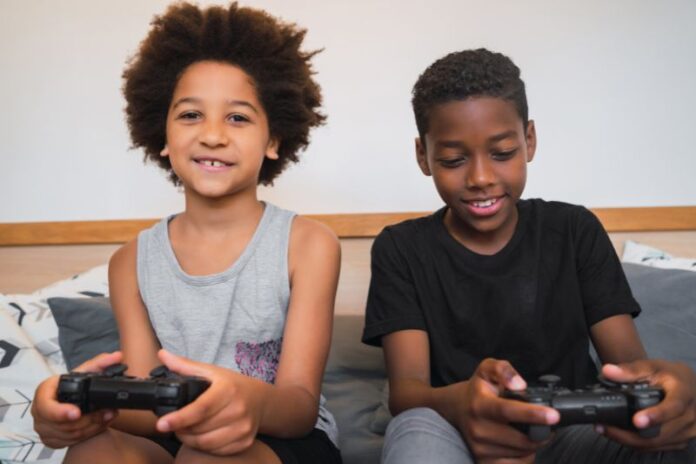

Gaming is a major part of modern childhood, offering opportunities for creativity, social interaction, and skill-building. For parents, creating a gaming space that balances fun with safety is crucial.
The right environment encourages kids to enjoy their favorite games responsibly while minimizing risks like excessive screen time, online threats, or unsuitable content. By focusing on smart design, clear guidelines, and active involvement, families can foster healthy gaming habits that support both entertainment and development.
Choosing Games and Platforms Wisely
The foundation of a safe gaming environment begins with game and platform selection. Parents should research age-appropriate titles, understand their content, and check ratings provided by organizations like the ESRB or PEGI. These ratings offer clear guidelines on whether a game includes violence, strong language, or other mature themes. Beyond ratings, understanding the community aspect of a game, such as chat functions, online multiplayer options, or user-generated content, is crucial for anticipating potential risks.
This research extends to in-game economies and external marketplaces as well. For example, some parents explore a trusted marketplace for FC 26 Coins to ensure safe and legitimate transactions when their kids engage with online sports titles. This helps prevent scams or unauthorized purchases while teaching children about responsible spending in digital environments. Selecting games and marketplaces thoughtfully sets the tone for a secure and enjoyable gaming experience.
Designing a Comfortable and Controlled Physical Space
The physical environment of the gaming area plays a significant role in shaping how children engage with their games. Choosing a well-lit, ventilated, and comfortable location helps prevent issues like eye strain, poor posture, or overheated electronics. Ideally, the gaming setup should be placed in a shared family space rather than behind closed doors. This placement allows parents to keep an eye on activity while fostering a sense of openness and accountability.
Ergonomic seating and adjustable monitors or TV stands can protect against physical discomfort during longer sessions. Cable management solutions reduce clutter and potential tripping hazards, while secure shelving keeps consoles and accessories organized.
Establishing Clear Rules and Screen Time Limits
Setting boundaries is key to maintaining a healthy balance between gaming and other activities. Parents should establish daily or weekly time limits that reflect their child’s age, schedule, and responsibilities. These limits help prevent excessive screen time, which can affect sleep, physical activity, and academic performance. Rules should cover appropriate times for gaming, such as after homework or chores are completed.
Involving children in creating these rules can make them more likely to follow them willingly. Parents and kids can agree on specific “no-gaming” zones, like during family meals or late at night. Many consoles and devices offer built-in parental controls that allow adults to enforce these rules automatically.
Prioritizing Online Safety and Privacy
Modern gaming often involves connecting with others online, which introduces new safety considerations. Parents should teach kids about online etiquette, emphasizing respect, kindness, and the importance of not sharing personal information with strangers. Explaining why privacy matters helps children understand the real-world consequences of their actions online.
Parental controls can help manage who children interact with, what content they can access, and how they communicate. Disabling voice chat or limiting communication to approved friends is an effective way to reduce exposure to inappropriate behavior. Encouraging kids to talk openly about their online experiences ensures that parents can address problems early, whether it’s cyberbullying, scams, or exposure to unsuitable content.
Encouraging a Balanced Approach to Gaming
Gaming can be a positive part of a child’s life when balanced with other activities. Encouraging breaks during longer sessions helps prevent fatigue and keeps kids physically active. Simple practices like following the 20-20-20 rule, taking a 20-second break every 20 minutes to look at something 20 feet away, reduce eye strain. Incorporating physical play, reading, and outdoor activities alongside gaming fosters a well-rounded lifestyle.
Parents can support balance by engaging with their child’s interests. Playing games together, discussing storylines, or setting shared goals within games builds stronger family connections.
Monitoring and Evolving the Gaming Environment
As children grow and gaming trends change, the strategies used to create a safe and fun space should evolve too. What works for a seven-year-old may not be effective for a teenager exploring competitive or online gaming communities. Parents should regularly reassess the games, rules, and setups to ensure they remain appropriate and relevant.
Open communication plays a critical role in this process. Encouraging kids to share their experiences, interests, and concerns helps parents stay informed about new challenges or opportunities that arise. Technology continues to advance rapidly, and new platforms, features, and risks emerge frequently. By staying adaptable and involved, parents can maintain an environment that supports both safety and enjoyment.
A well-designed gaming space goes beyond aesthetics, it’s a foundation for safe, responsible, and rewarding play. Choosing appropriate games and platforms, designing thoughtful physical spaces, setting clear rules, prioritizing online safety, encouraging balance, and staying engaged all contribute to an environment where kids can thrive. With the right strategies, parents can help their children enjoy the benefits of gaming while protecting them from potential risks, ensuring their digital adventures remain positive and enriching.