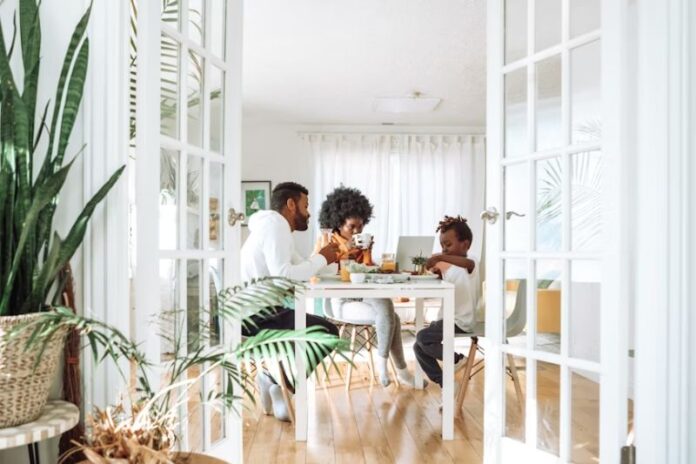

Creating a calm home for children is about more than keeping noise levels low or making spaces look tidy. A calming environment supports emotional regulation, encourages creativity, and helps kids feel safe in their surroundings. Parents often notice that when their home feels balanced and welcoming, children are more likely to thrive academically, socially, and emotionally. Building this kind of atmosphere requires a blend of thoughtful design, consistent routines, and attention to both physical and emotional needs. With the right steps, families can establish a calm foundation that grows with children.
Designing Spaces With Purpose
The way a home is arranged plays a major role in how children experience it. Cluttered rooms or poorly planned layouts often lead to overstimulation, while carefully designed spaces provide comfort and stability. Consider assigning specific areas for different activities, such as a quiet reading nook, a play zone for toys, and a shared family space where conversation flows. By giving each area a distinct purpose, children learn to associate environments with certain behaviors. A simple reorganization can make the home feel calmer, even without expensive renovations.
Choosing Soothing Colors and Textures
Color influences mood, and children are sensitive to visual cues in their surroundings. Soft tones such as muted blues, gentle greens, and warm neutrals tend to create a sense of peace, while harsh or overly bright colors may increase restlessness. Textures also matter, cozy rugs, smooth wooden furniture, and breathable fabrics add a tactile layer of comfort. If you take a look at Paint Zone, you’ll find how professional painters emphasize the impact of color in shaping a home’s atmosphere. A thoughtful approach to shades and surfaces helps children feel more at ease, transforming rooms into spaces where calmness comes naturally.
Incorporating Natural Elements
Bringing elements of nature into the home is a simple yet powerful way to promote relaxation. Plants, natural light, and fresh air all contribute to a healthier environment. Even small touches, like a vase of fresh flowers or a window seat positioned to catch sunlight, can influence how children perceive a space. Exposure to greenery has been linked to reduced stress and improved focus, making it valuable for study areas or playrooms. Families who lack outdoor space can replicate these benefits with indoor plants or nature-inspired artwork, reminding children of the calming rhythms of the natural world.
Establishing Predictable Routines
Calmness at home is not about physical surroundings; it is actually rooted in consistency. Routines provide structure, helping children feel secure because they know what to expect. Morning and bedtime rituals are particularly important, as they set the tone for the day and night. A predictable sequence of steps, such as reading a story before bed or sharing breakfast together, helps children transition smoothly between activities. While flexibility is sometimes necessary, maintaining consistent daily patterns prevents unnecessary tension and gives children a stronger sense of stability.
Creating Quiet Zones for Reflection
Children, like adults, need time alone to recharge. A dedicated quiet zone provides an opportunity for reflection, calm play, or relaxation away from the busyness of the household. This does not have to be an entire room. A small corner with soft cushions, books, and a calming light can serve the purpose. Encouraging children to use the space when they feel overwhelmed teaches them valuable skills for managing emotions. A quiet zone becomes a tool children can rely on for self-regulation.
Encouraging Mindful Activities
Mindfulness is often associated with adults, but children benefit just as much from learning how to slow down and focus on the present. Activities like drawing, journaling, yoga, or listening to calm music help them build these skills in age-appropriate ways. Integrating mindfulness into family routines does not need to feel forced. It can be as simple as taking a few minutes to breathe together before starting homework or practicing gratitude at the dinner table. These practices cultivate awareness, reduce stress, and strengthen emotional resilience.
Managing Noise and Technology
Noise levels have a direct impact on stress, particularly for young children. Minimizing unnecessary background noise, such as loud television or constant electronic alerts, creates a calmer environment. Technology use should be managed carefully, as overstimulation from screens can disrupt sleep and increase anxiety. Establishing tech-free times, like during meals or before bed, helps children wind down and connect more deeply with family. When balanced properly, technology can still be a valuable tool for learning, but boundaries ensure it does not overwhelm the home’s atmosphere of calm.
A calmer home is not about perfection but about making thoughtful choices that prioritize children’s well-being. Through purposeful design, soothing colors, natural elements, consistent routines, and mindful practices, families can create a space that nurtures growth and stability. Professional guidance, such as insights on color and atmosphere from experts, can add an extra layer of support in this process. By blending these elements, parents build more than a temporary solution, they establish a foundation of calm that lasts, providing children with a safe and supportive environment where they can thrive.