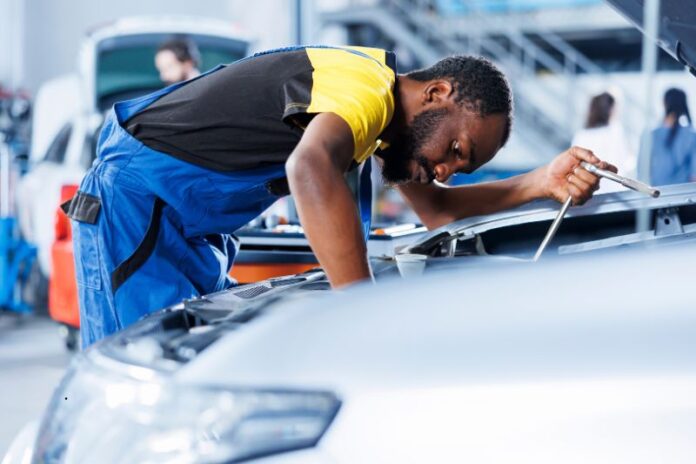

Car accidents can be distressing experiences, leaving individuals in a state of confusion about the next steps. Everyone involved should be safe, and any necessary medical attention can address your vehicle’s repair needs. Managing car repairs can save you time, money, and stress. Below, we will outline the steps to streamline the repair process so that your vehicle is restored to optimal condition.
Assess the Damage
The first step after an accident is to assess the damage done to your vehicle. Take a close look at the car’s exterior and interior, noting any visible signs of dents, scratches, or broken parts. Take photos from various angles, as these will provide a clear record of the damage and assist in discussions with your insurance provider.
If you’re unfamiliar with automobile mechanics, have the vehicle inspected by a professional mechanic who can help identify any hidden issues. Many damages may not be visible immediately and could include problems with the frame, engines, or electronics. Knowing the full extent of the repairs needed will provide you with a solid foundation for the next steps.
Choose the Right Auto Body Shop
A reputable auto body shop will repair your vehicle properly. For Mercedes owners, look into a Mercedes Benz autobody repairs service that specializes in the type of repairs your car requires. Ask friends, family, or coworkers for recommendations based on their experiences. Read online reviews and testimonials to gauge customer satisfaction and reliability, paying attention to comments about customer service, turnaround time, and quality of repairs. Verify that the shop is certified and has warranty policies on repairs. Facilities that handle specialized repairs may provide additional insights into quality and proper procedures.
If you’ve broken down at the side of the road, chances are you’re going to need to call a mobile truck repair service first. This way, you have a chance of getting the issue fixed right there and then, but if you can’t, then you need to find an auto body shop.
Contact Your Insurance Provider
Reach out to your insurance provider. Notify them about the accident as soon as possible, as there are time limits on reporting claims. During this communication, provide the details of the incident, including the extent of the damage and any photos taken.
The insurance company will guide you through its claim process. They may suggest specific auto body shops or repair facilities that are approved by them. Keep careful records of all communications, including names, dates, and what was discussed, to have a comprehensive account for reference.
Keep Medical and Repair Records Connected
Vehicle damage is only one part of the bigger picture after an accident. If you or anyone in the car experienced pain, stiffness, headaches, or any delayed symptoms, keep those medical records alongside your repair documents. This creates a clearer timeline of what happened, what was damaged, and what costs followed. It can also help if questions come up later about who was responsible or whether the accident caused more than cosmetic damage. In more serious cases, speaking with a personal injury lawyer can help you understand how repair bills, medical expenses, lost time, and insurance communication may connect. Even if your main focus is getting the car fixed, keeping everything organized from the start protects you from scrambling for proof later. The current post already advises readers to keep careful records when dealing with insurance and repairs, so this paragraph builds naturally on that advice.
Get Estimates and Approvals
Schedule an appointment to obtain detailed repair estimates. Many shops will conduct a thorough inspection of your vehicle and provide an itemized list of required repairs along with costs. Review these estimates carefully, considering the necessary repairs alongside their prices. Don’t hesitate to ask questions. A reputable shop should be happy to explain the necessity of each repair.
Obtain estimates from multiple shops to compare costs and services. If your insurance covers the repair costs, submit the estimate to them for approval before allowing the repairs to commence.
Monitor the Repair Process
Many auto body shops now offer online tracking options where you can monitor your car’s repair status in real-time. Regular communication with the shop allows you to stay informed about any additional issues that may arise during the repair process. If unexpected repairs are needed, the shop should contact you immediately with updated estimates and gain your approval before proceeding.
Being proactive can prevent delays so that the repairs stay on track. The timeline for repairs can vary based on the extent of the damage. Maintaining an open line of communication will help you remain informed about when to expect your vehicle back.
Final Inspection and Quality Check
After the repairs are complete, conduct a thorough final inspection before accepting the vehicle. Check all the repaired areas so that the work meets your quality standards. Should you notice any discrepancies or concerns, communicate them with the shop immediately. A professional shop will want to address any issues you raise.
Take a test drive to assess any functionality problems or noises that might indicate additional repairs required. Confirm that any warranties promised during the repair process are provided to you in writing. A conscientious facility will be happy to go over the warranty and any care instructions for the newly repaired components.
Understand Your Rights
As a car owner, understand your rights when dealing with insurance claims and auto repairs. You have the right to choose where to have your car repaired, and most insurance policies respect this choice. Maintaining records and receipts throughout the process strengthens your case and guarantees you are compensated for any costs covered by your policy.
If you encounter issues with your insurance claim or feel pressured by your provider, don’t hesitate to seek help from consumer protection agencies or legal professionals who specialize in automotive cases. Understanding your rights and the repair process will empower you and allow you to advocate for yourself effectively during this time.