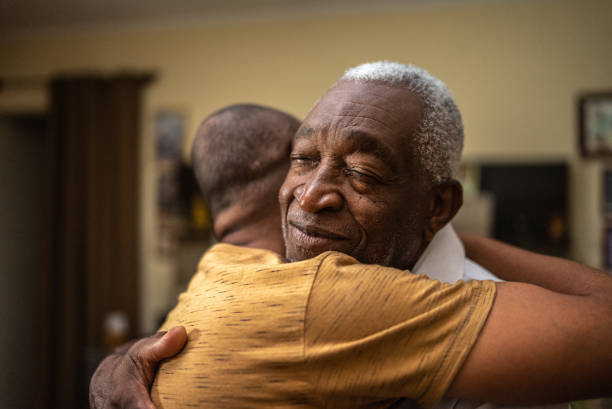

Worldwide, more people are now aware of precisely how vital nutrition and exercise can be. In America, too, more families are transitioning to balanced lifestyles. We are taking time off work when possible to spend on hobbies and prioritizing bonding experiences.
And still, amid all this, we are all getting older. It is an inevitable reality that personal care products and yoga classes cannot change. Some US cities have a bigger proportion of older adults than others, which necessitates more capacity building. For instance, approximately 20 percent of the total population in Philadelphia is over 60.
With age, some health problems often come uninvited. As per the CDC, almost 30 percent of American adults over 65 years have diabetes. Physical and mental health issues make many of us less self-reliant in our sunset years. Family caregivers play a mega role at this time, helping elderly parents and relatives live with dignity and independence.
Charting a Plan for Managing Chronic Illnesses
We have seen the romanticized vision of retirement spent under sunny skies. But coping with acute problems such as arthritis or hypertension can drain the fun out of it.
As a caregiver, the foremost step should be to identify chronic health problems. In consultation with the medical team, one can understand how to support seniors with these issues. Some conditions involve associated fall risks or limited mobility. These seniors may require continued assistance with routine tasks, such as putting on their jackets and eating meals on time.
At-home care professionals can also help family members with these jobs. It ensures continuity when you must travel or attend social events. According to trucarehomecare.com, seniors can benefit from personalized plans that recognize their unique needs. No more generalizing all older people under one umbrella!
For example, imagine you have a senior family member battling cognitive concerns. They may need repeated reminders for their medication or hydration. The list is long: doctors’ appointments, scans, walks…
Likewise, seniors who struggle with mobility can benefit from assistance with purchasing groceries and housekeeping. Tailored plans help give our loved ones a higher quality of life through attention and commitment to safety.
Prioritizing Emotional Wellness
Recently, the National Institute on Aging published the results of a rather upsetting research study. The team revealed that feeling lonely can raise the risk of dementia by as much as 31 percent. We already know that many older people struggle with loneliness, unable to have meaningful social interactions. The connection becomes starkly evident.
While paying attention to the logistics of medication and follow-ups, family caregivers for seniors must not overlook aspects of emotional well-being. It could be as elementary as sitting down to listen attentively to an aging parent or relative. It helps them feel heard and valued. Moreover, it can allow them to share their apprehensions and anxieties with you.
For example, picture an informal weekend interaction with a senior family member, say, over a cup of coffee. These weekly sessions can become their outlet to share their psychological distress with you and brainstorm ideas to feel better.
The WHO notes that many older adults are distressed by the decline in their functional ability. Men from an older generation may find this especially daunting. Hiding one’s emotions used to be a gender-normative lesson.
Conversations with caregivers can also give them the required support for healthy behaviours like eating a balanced diet and avoiding tobacco and alcohol use. Children can also be excellent helpers in this context. Just try telling them to look after Grandpa and see what wonders they do.
You could also explore avenues for social interaction outside the house, such as a gardening workshop or a neighborhood book club. Or take them to an escape room outing if that’s what makes them delighted!
Never Pouring From an Empty Cup
Caring for senior family members is a massive responsibility. It is also one that can leave you feeling drained and distressed. After all, it is a drastic exposure to the often unpleasant realities of aging. Overlooking your personal health and wellness can affect your ability to care properly for others.
As others in your situation will agree, caregiver burnout is undeniable. The American Cancer Society advises carers to inspect themselves for symptoms of frustration, detachment, and anger. These signs can appear at any time: when you are actively supporting a family member during a medical procedure or much later.
The situation gets worse when these feelings remain unaddressed. That’s when elder abuse becomes more probable.
A Frontiers study found that burnout among family caregivers is potentially connected to elder neglect or abuse. It may appear as verbal aggression or neglect of personal hygiene. In abject cases, it can manifest as failure to adhere to the treatment regimen for the patient.
Recognizing and dealing with these symptoms before they become concerning is imperative. As a family member, try to schedule some alone time with yourself. You can find downtime by arranging for another caregiver. They could be voluntary, such as a trusted friend, or hired help. The primary thing is not to feel guilty or burdened about it.
Then, use this time for relaxing and grounding activities. Think canvas painting. Going hiking. Many find it useful to join a friendly, non-judgmental support group in the neighborhood. They can vent all they like without fear or awkwardness.
As the world ages, the chores of family caregivers will become more demanding. Harsh as it sounds, caring for seniors can be frustrating and unsettling. That said, it is also our responsibility to the people we cherish.
A sustainable way ahead is to implement a systematic approach to caregiving that breaks tasks into chunks, such as physical and emotional needs. Partnering with compassionate agencies for support at home can help you maintain the required vigor for this task.