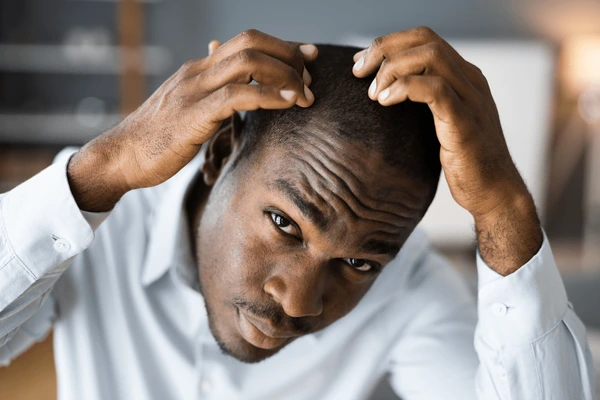

As men enter their 30s and 40s, many experience significant changes in their hair growth patterns. For numerous dads, this phase of life unveils a few common concerns, particularly revolving around hair loss. Understanding the underlying causes of this issue can be paramount in dealing with it effectively. After all, hair is often a key component of personal identity and confidence, and noticing its thinning can be a source of distress for many. In this article, we will explore the prevalent types of hair loss, their causes, repercussions, and possible treatments, offering a comprehensive guide for those seeking solutions.
Types of Hair Loss Frequently Observed
There are several types of hair loss that men may encounter as they age. The most common form is androgenetic alopecia, commonly referred to as male pattern baldness. This hereditary condition typically begins with a receding hairline and thinning at the crown, eventually leading to significant bald patches if left unaddressed.
Another type of hair loss is telogen effluvium, which can be triggered by factors such as stress, illness, or hormonal changes. Unlike male pattern baldness, this type is often temporary and reversible.
Men may experience alopecia areata, an autoimmune disorder that results in sudden patches of hair loss. This condition arises when the immune system mistakenly attacks hair follicles, although the hair can regrow. Lastly, traction alopecia is caused by hairstyles that pull tightly on the hair, leading to gradual loss in those areas. Understanding these variations can help men decipher which type they may be facing and seek suitable remedies.
Common Causes of Hair Loss
Understanding what triggers hair loss is crucial for addressing the issue effectively. Genetic predisposition plays a substantial role, with a family history of baldness greatly increasing the likelihood of experiencing similar hair loss patterns within the family unit.
Hormonal shifts, particularly fluctuations in testosterone, can contribute to thinning hair. As men age, the levels of this hormone invariably change, leading to hair follicles shrinking and producing finer hairs. Something like testosterone replacement therapy could be useful if this is the case.
Beyond genetics and hormones, lifestyle factors such as nutrition, stress, and health cannot be overlooked. Poor diet can result in deficiencies, particularly in iron, zinc, and protein, which are vital for healthy hair growth.
The Emotional and Psychological Impact of Hair Loss
For many people, hair loss can lead to emotional distress, and men are not immune. As societal standards often equate a full head of hair with youth and attractiveness, losing hair can manifest insecurities and lower self-esteem. Men may find themselves feeling less attractive, which can spill over into their personal and professional lives. It’s important to acknowledge these feelings and understand that they are valid and shared by many.
Support systems, such as family and friends, can play a significant role in mitigating the psychological effects of hair loss. Open discussions about these changes can foster a sense of community and support, reinforcing the notion that hair does not define one’s worth or capabilities. Seeking professional assistance can help men navigate their feelings and develop a coping strategy
Available Treatments for Hair Loss
Men seeking solutions for hair loss can choose from a range of treatments, spanning both medical and surgical approaches. A key factor in determining the most effective option is understanding hair loss stages, as early intervention often leads to better outcomes. Among pharmaceutical remedies, minoxidil, commonly known as Rogaine, is applied topically to stimulate follicle activity and slow the progression of thinning hair Finasteride, an oral medication, works by reducing the hormone that contributes to follicle shrinkage, helping preserve existing hair. For men looking for a more comprehensive approach, a clinically developed men’s hair loss treatment that combines key active ingredients into a single daily formula can address multiple causes of hair loss simultaneously — targeting both DHT levels and follicle nutrition without the need for separate products.
For those experiencing more advanced stages of hair loss, surgical methods such as hair transplants may be considered. This procedure involves transferring follicles from areas of dense growth to balding or thinning regions, offering more lasting results when performed by a skilled specialist. Combining medical treatments with surgical solutions or supportive therapies can deliver the most comprehensive and effective results.
The Importance of a Healthy Lifestyle for Hair Care
Maintaining a healthy lifestyle is instrumental in preserving hair health as well. Regular exercise, adequate sleep, and a balanced diet rich in vitamins and minerals contribute significantly to well-being, influencing hair growth positively. Foods rich in omega-3 fatty acids, vitamins A, C, D, E, and biotin can fortify hair follicles and promote shiny locks.
Stress management techniques such as yoga or meditation can be beneficial in leveling out stress hormones that affect hair vitality. Seeking balance in one’s life can go a long way in preserving and enhancing hair health, empowering men to embrace their age more confidently.
Staying Informed and Proactive
The key to addressing hair loss lies in being informed and proactive about changes. Regular check-ins with healthcare providers can help monitor any alterations in health that may contribute to hair issues. It’s essential to address any underlying health conditions swiftly, as they may play a part in hair thinning.
Understanding one’s genetics can guide expectations around hair loss. Equipped with the right knowledge, men can better anticipate changes and make informed decisions regarding treatments or lifestyle adjustments. Empowerment comes from awareness, leading to more favorable outcomes when approaching hair loss.
Exploring Modern Solutions and Innovations
In addition to traditional treatments, modern innovations are expanding the possibilities for addressing hair loss. Low-level laser therapy (LLLT) devices, such as laser combs and helmets, are becoming more accessible and are designed to stimulate hair follicles through light energy.
Platelet-rich plasma (PRP) therapy, another emerging option, involves using a patient’s own blood plasma to promote hair regrowth by stimulating follicle activity. Advances in cosmetic solutions, such as high-quality hair fibers and scalp micropigmentation, offer non-surgical ways to improve appearance and confidence. Staying updated with these innovations gives men more control over how they choose to address hair loss, whether through medical, technological, or cosmetic approaches.
Hair loss in the 30s and 40s presents a common dilemma for many dads, marked by various types and causes. Addressing these issues means understanding the impacts of genetics, hormones, and lifestyle choices while recognizing the emotional challenges that may arise from such changes. By exploring available treatments and maintaining a healthy lifestyle, men can take proactive steps to manage hair loss, leading to better self-esteem and confidence. Embracing both medical advancements and personal well-being strategies empowers men to face hair loss with resilience and assurance.